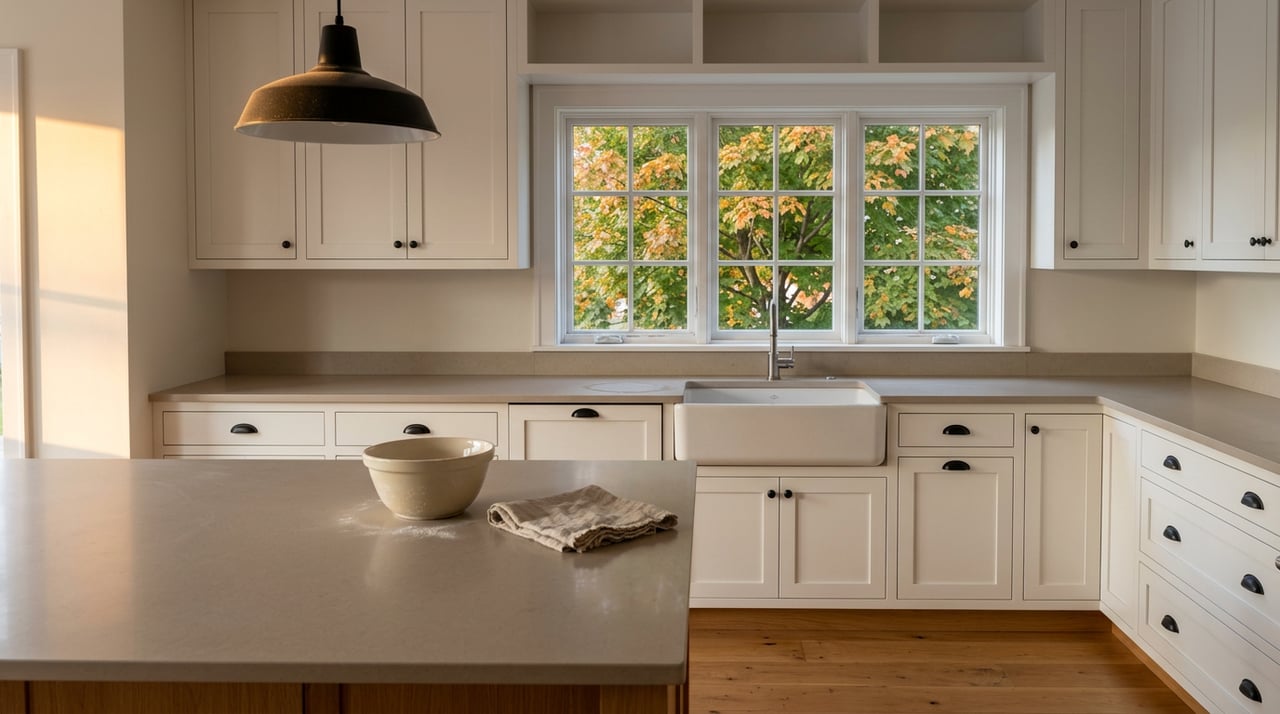
Throughout your home-buying journey, there's nothing more exhilarating than finding the home of your dreams. You can’t wait to try new tasty recipes in that spacious kitchen or relax in your cozy nook with a book in hand. Once you think you’ve found The One and the daydreaming is over, the next thrilling part is making an offer.

It's tempting to rush into writing an offer and seal the deal before another buyer gets their hand on it. But not so fast! Before making an offer on a home, you need to do your research to ensure that you get the best deal possible and avoid potential headaches down the road.
Here are some guide questions to help you make an educated and appropriate offer that the seller will gladly accept.

Before making any real estate purchase offer, you must determine your current local market conditions. Traditionally, in a buyer's market where available inventory is high and houses tend to sit on the market for longer, you can have more flexibility on price. Home sellers might be more willing to negotiate with you since offers are usually fewer. You might be able to submit an offer that’s below the asking price and have the upper hand in negotiations.
In a seller’s market, however, it’s typically much harder to go below the asking price because inventory is low and multiple buyers are interested in the same properties. Since sellers usually get multiple offers, you might find it difficult to negotiate. If you want the property, it’s best to offer the list price or even go above the asking price if you can. Knowing the current inventory in your area is an absolute help when deciding how much to offer.

Once you've determined how much wiggle room there is to work with, it’s time to research recent sales in your desired neighborhood. With the help of your local real estate agent, ask them to work up a comparative market analysis, commonly known as comps, which will show recent sales prices for similar homes that have sold in the past few months. This information is the key to knowing whether the seller’s asking price is fair and reasonable or if they’re asking too much or too little for their home. You can use it as a reasonable baseline in terms of a starting offer.
If a property’s listing price is already noticeably higher than comparable homes, don’t be afraid to submit a low offer. Your agent is your best partner when it comes to breaking down recent sales and justification for your offer, giving more room for a productive negotiation.

If the house has been available on the market for a long time (also considered a stale listing), the seller is probably extra motivated, which can mean flexibility on price. The homeowner may be more willing to negotiate or accept a lower offer. On the other hand, if the property has only been up for a few days, it might be best to match the asking price and be prepared for a bidding war if the home draws a lot of interest.
Information on how long a house has been on the market can easily be found on most real estate listings. If not, your trusted real estate agent will have access to this information through the multiple listing service. You can ask them to pull this data for you, and then use it as a reference as you write your offer.

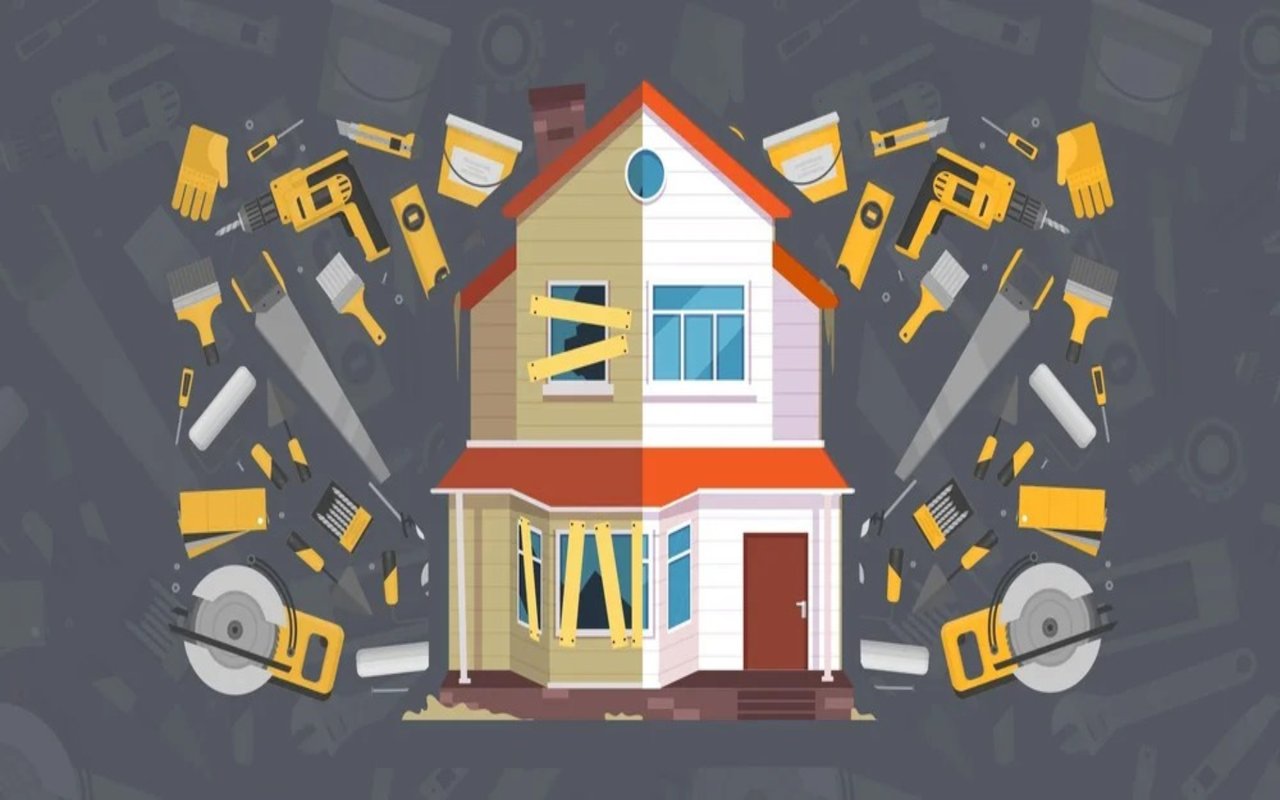
Before making an offer, take the time to know the condition of the property, as it directly impacts its market value. Is it in need of repair or is it move-in ready? A house that requires significant repair or renovation will have a lower price than the one that is move-in ready. This is why you'd want to have a thorough inspection of the property. You can gather insights into its condition and market value, which will give you concrete evidence that can support your offer.
If you’ve found a fixer-upper that’s attracted little to no buyer interest, you might feel confident making a lower offer. It’s an investment risk, so you’d want to make sure you’re expecting a deal. Moreover, if the roof, furnace, windows, central heating and air conditioning unit, and other major home systems are nearing the end of their lifespan, know that they’re the most expensive to replace. Remember to keep those things in mind when determining your offer.

Homeownership is a huge financial commitment. And while everyone's goal is to own their dream home, the reality is that we all need to work within our budget. In this sense, you’ll need to make an offer you can afford. You should understand your budget and consider several factors, such as the amount you are pre-approved for, how much you’ve saved for the down payment, your closing costs, and other additional expenses associated with buying and owning a home.
Your mortgage pre-approval provided by your lender, in particular, will give you a ballpark figure that you can keep in mind as you write a purchase offer for a home. This is so you won’t make an offer that is above your budget or what you are qualified to borrow, which can lead to financial strain.

Last but not least, and you're the only one who can answer this: How badly do you want the home?
Maybe you’ve been house-hunting for a while now, and you’ve finally found what you think is the perfect home for you. This property meets your needs and the asking price is well within your budget. It might be worth it to consider offering exactly what the seller is asking for, or even a bit more—an offer that the seller can’t refuse, to show that you’re a serious buyer and you want the property more than anything else.
Don't Know How Much To Offer On A Home? Consult With A Knowledgeable Real Estate Agent
Crafting an offer isn't just about how much you can afford to pay, but also about how to be competitive and get the best deal possible. If you want to employ a strategic approach to secure your dream home, leverage the extensive experience of your trusted local real estate agent.
Aside from guiding you through the offer process, they can discuss your options and recommendations based on current market conditions, the home’s conditions and features, and comparable sales, all while considering your preferences and budget. You can easily take the guesswork out of the process and negotiate successfully when you find a knowledgeable and dependable agent.