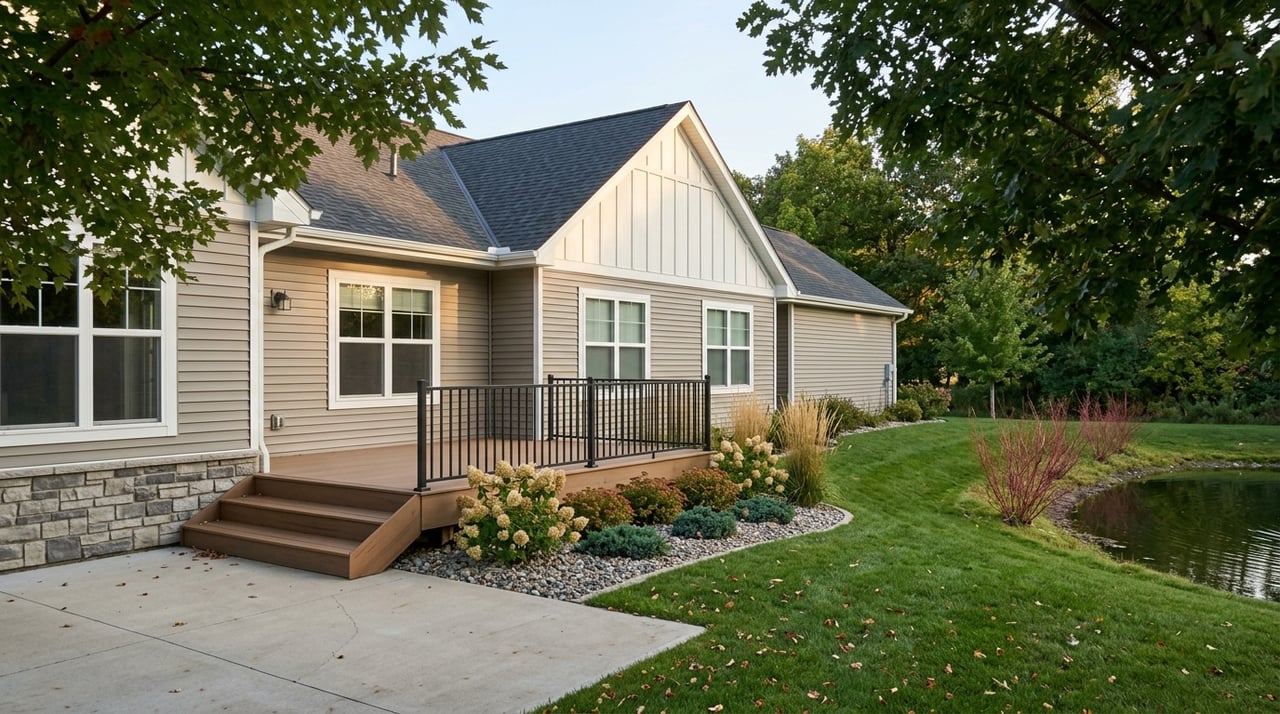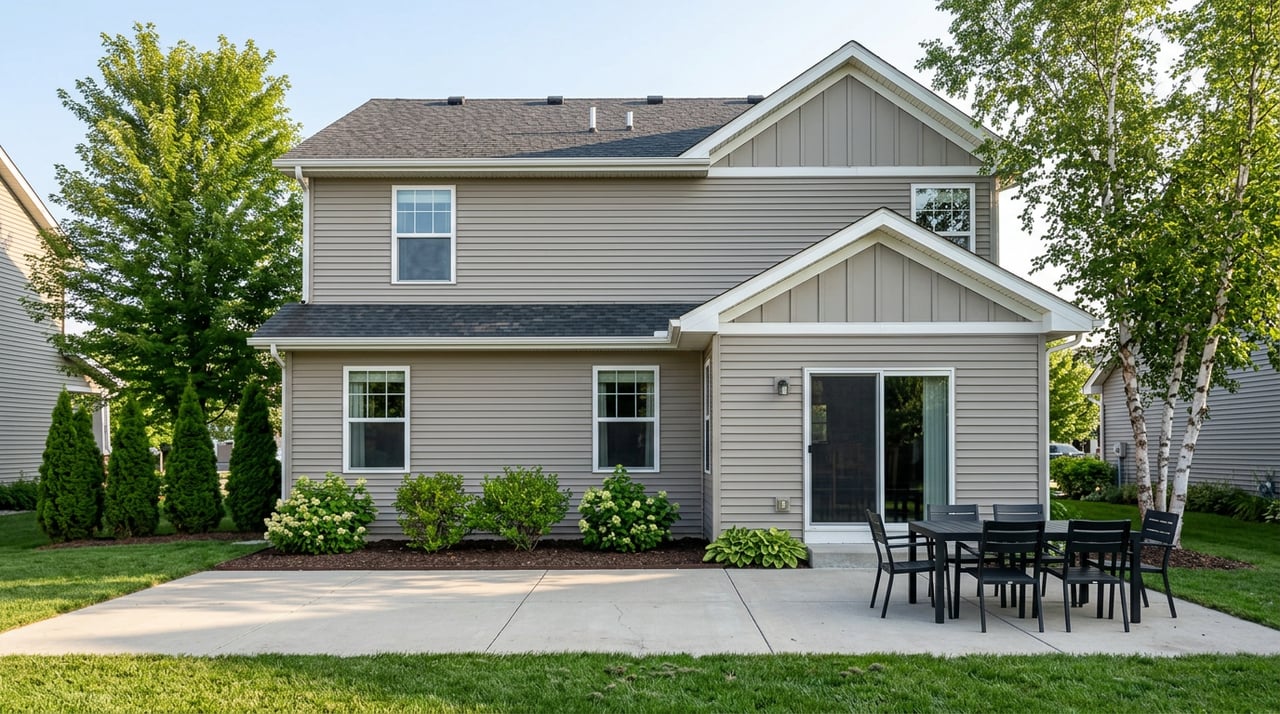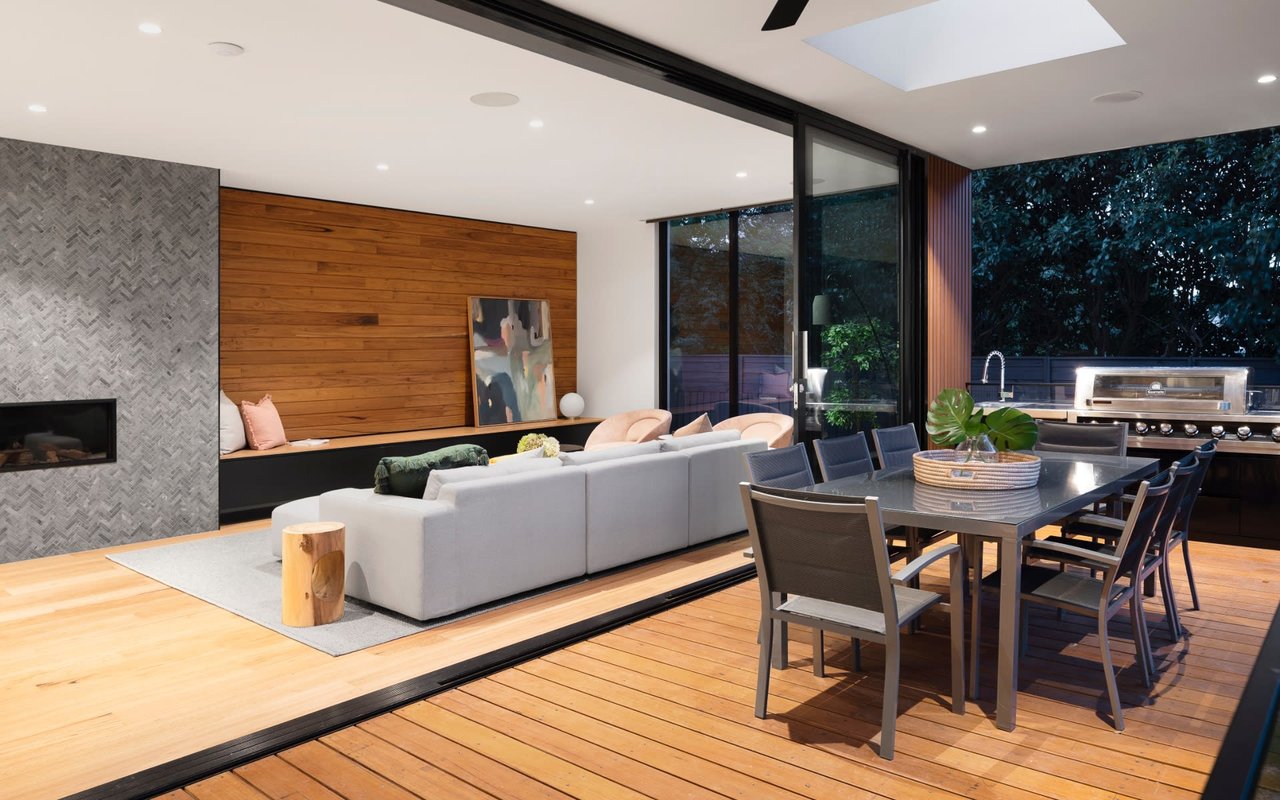
Spring comes fast on Lake Minnetonka. If you plan to list your Mound home this spring, the right prep now can help you earn stronger offers and a smoother sale. You want a practical plan that fits our winter-to-spring transition without overspending. This guide gives you a realistic timeline, lakeshore-specific tips, and staging moves that highlight light and views. Let’s dive in.
Your spring listing timeline
6–12 weeks out: big items and inspections
Start early while contractors still have space. If you choose to, schedule a pre-listing inspection to flag issues that could derail a sale, such as roof, structural items, or major systems. Fixing safety and function first sets the tone for buyers.
Plan dock, deck, or shoreline work now. Some projects may need permits or longer lead times. If you want peace of mind on air quality, consider a pre-listing radon test since Minnesota often shows elevated levels; the Minnesota Department of Health offers radon guidance.
3–6 weeks out: exterior cleanup and curb appeal
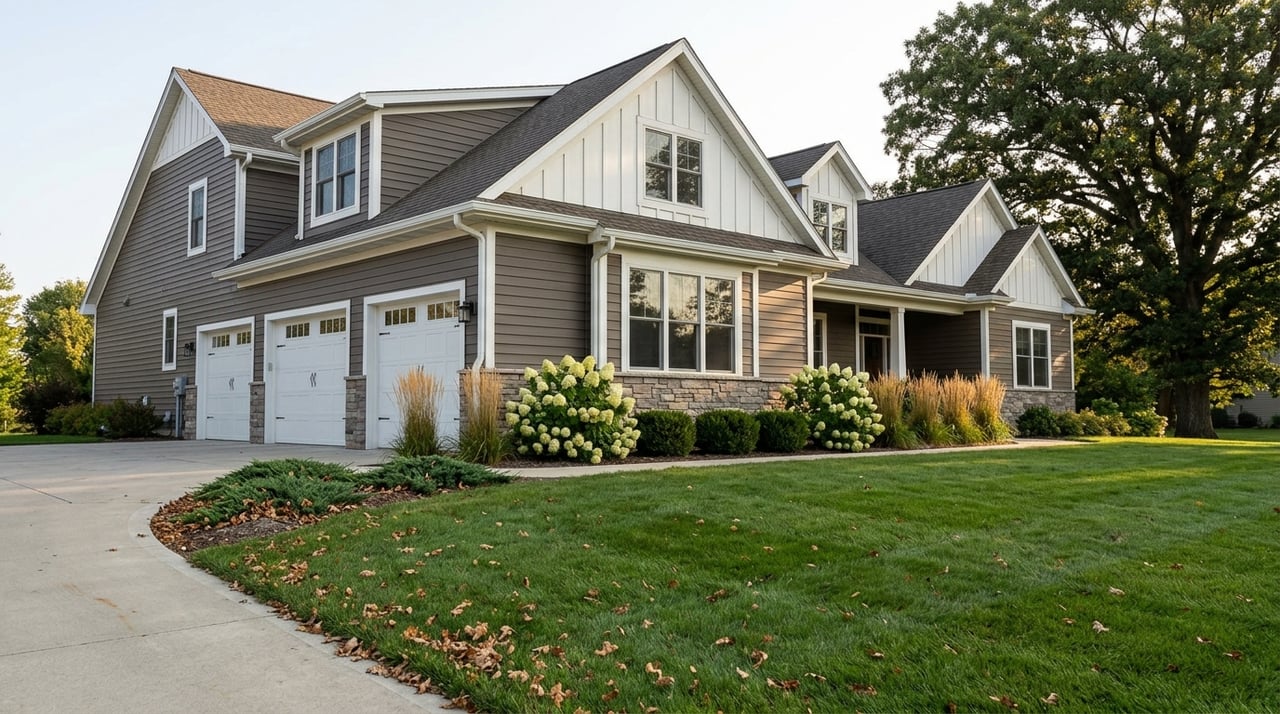
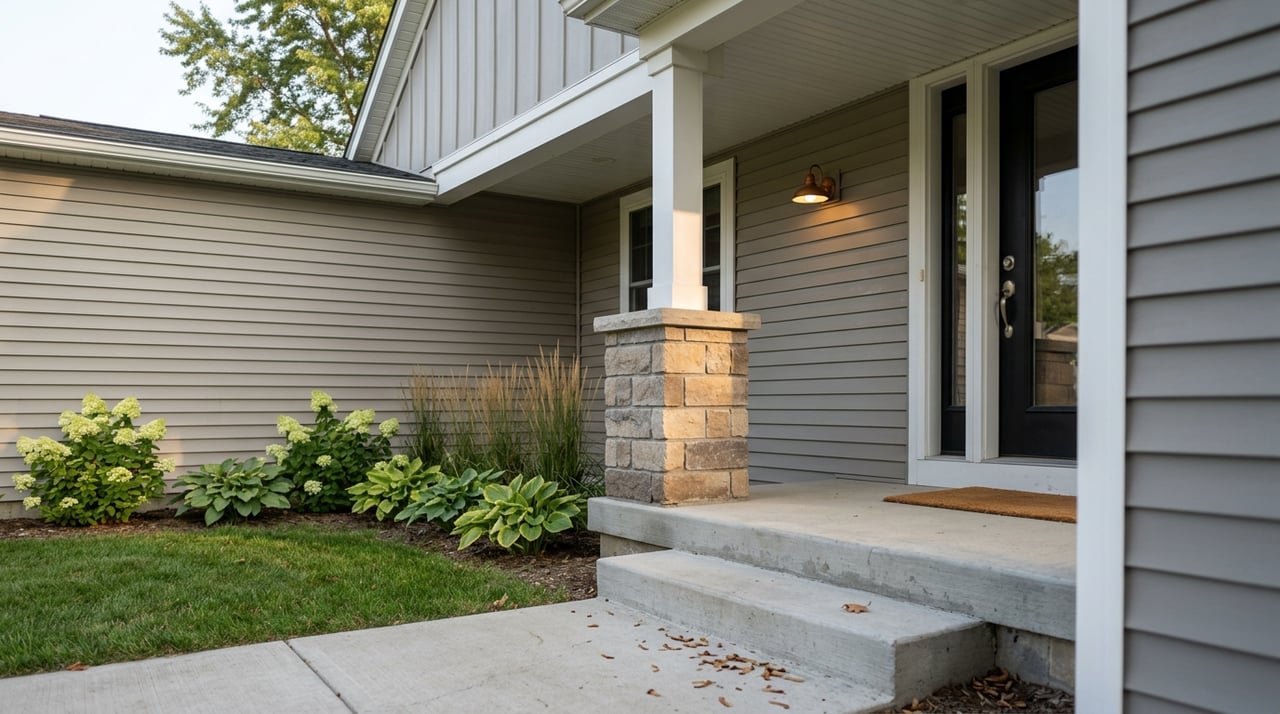
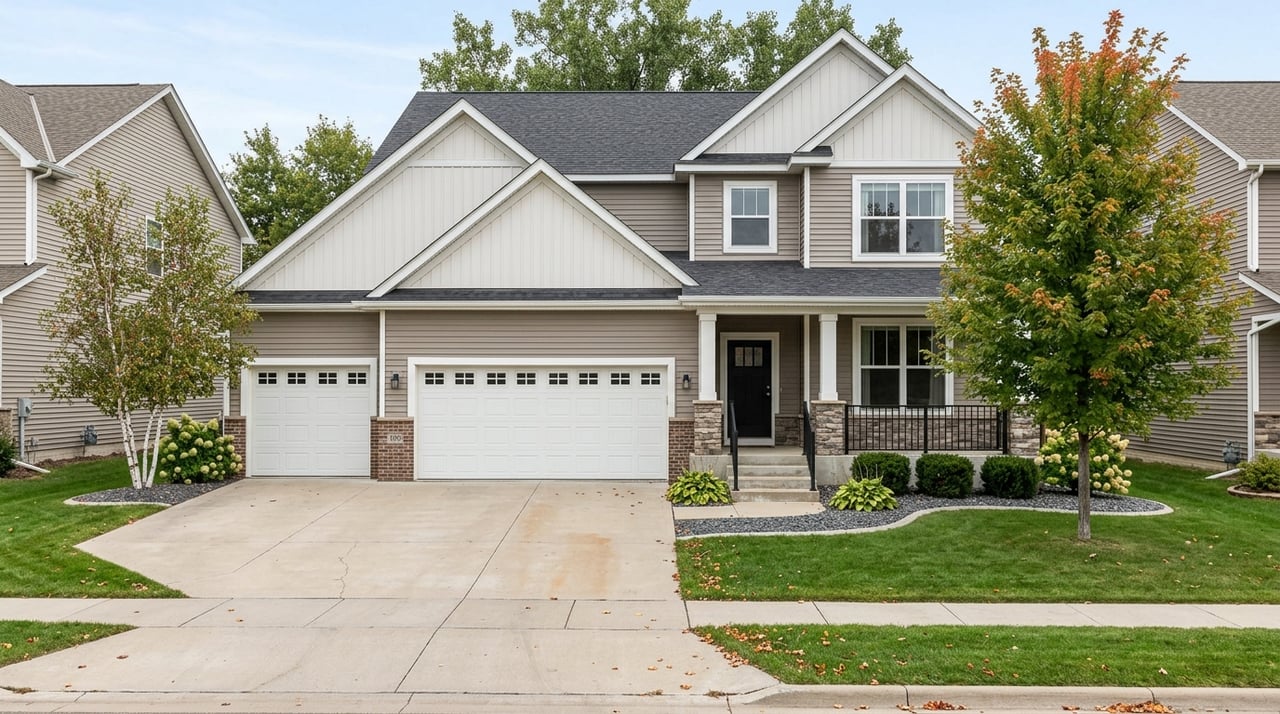
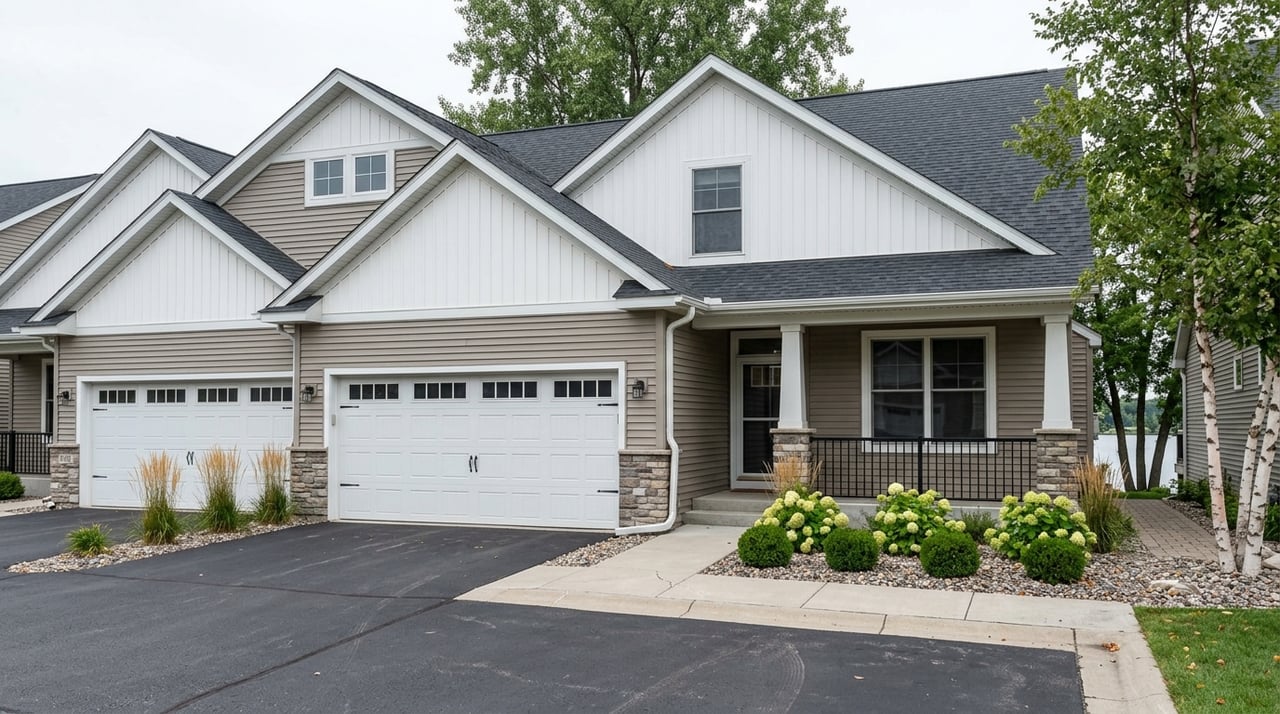
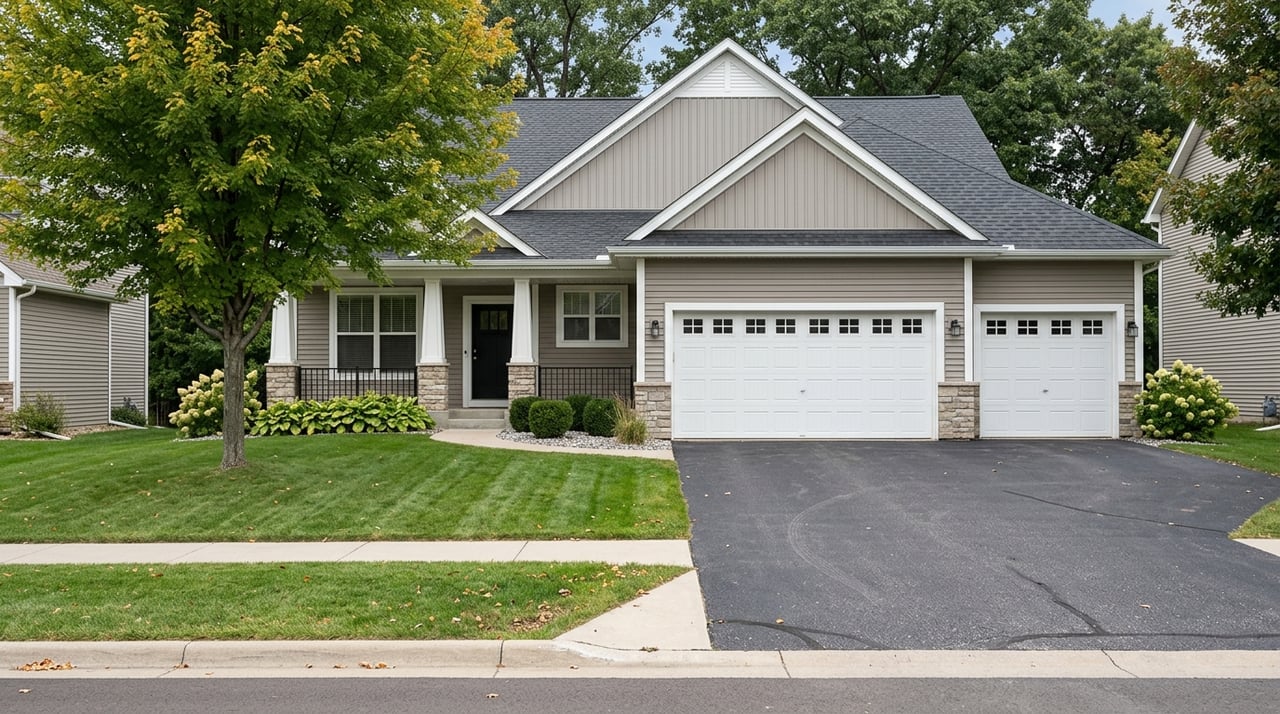
Buyers notice your exterior first, especially after a long winter. Clear roof and gutters of debris, check for ice-dam damage, and direct downspouts away from the foundation. Power-wash siding, touch up peeling paint, and clean windows for brighter photos.
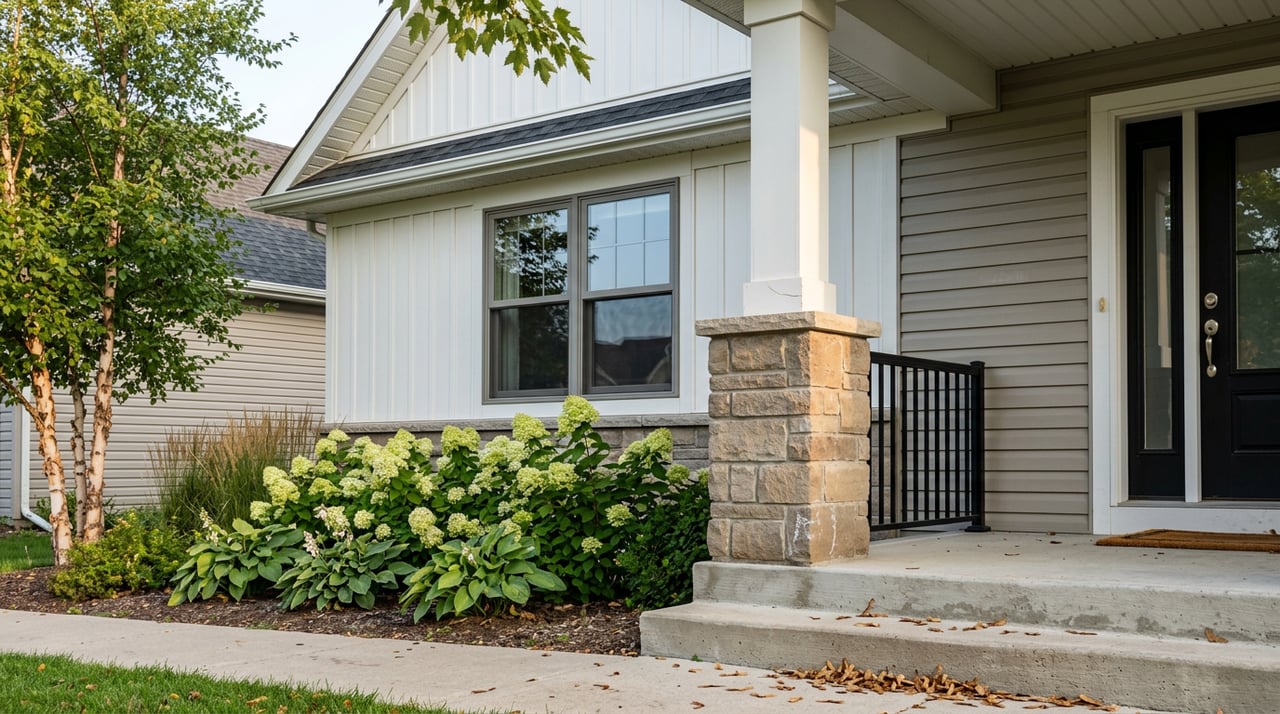
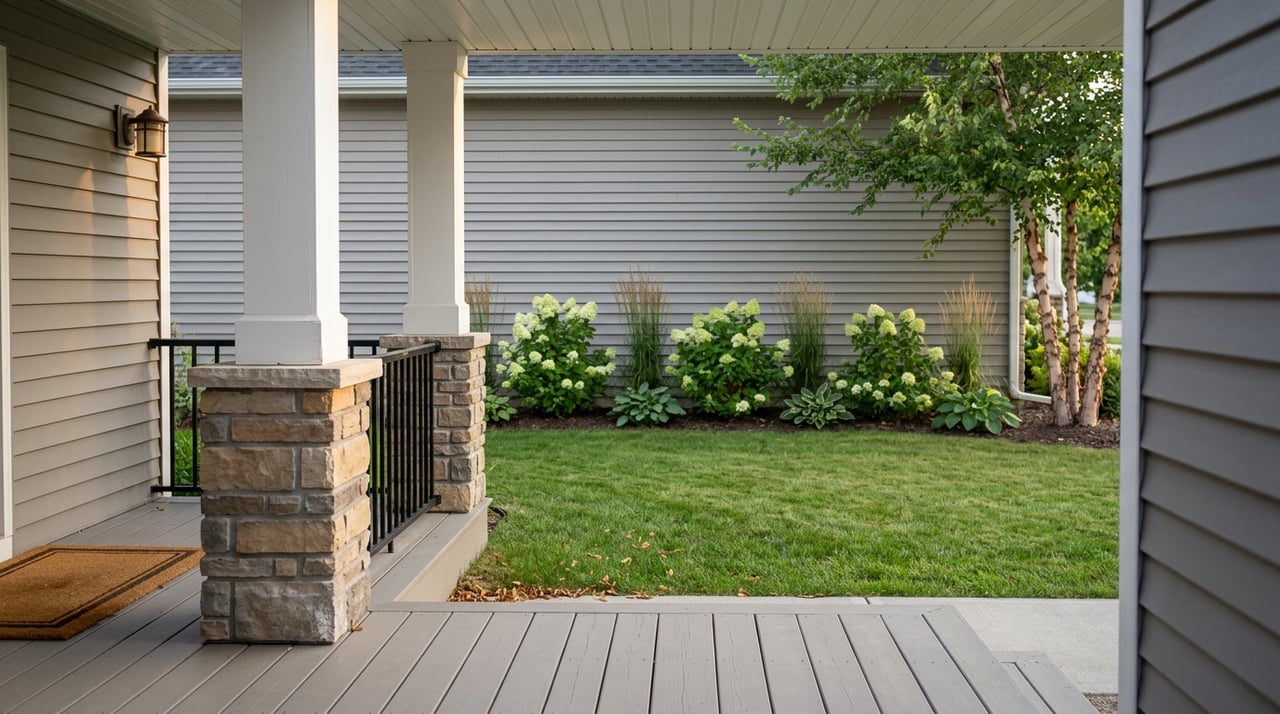
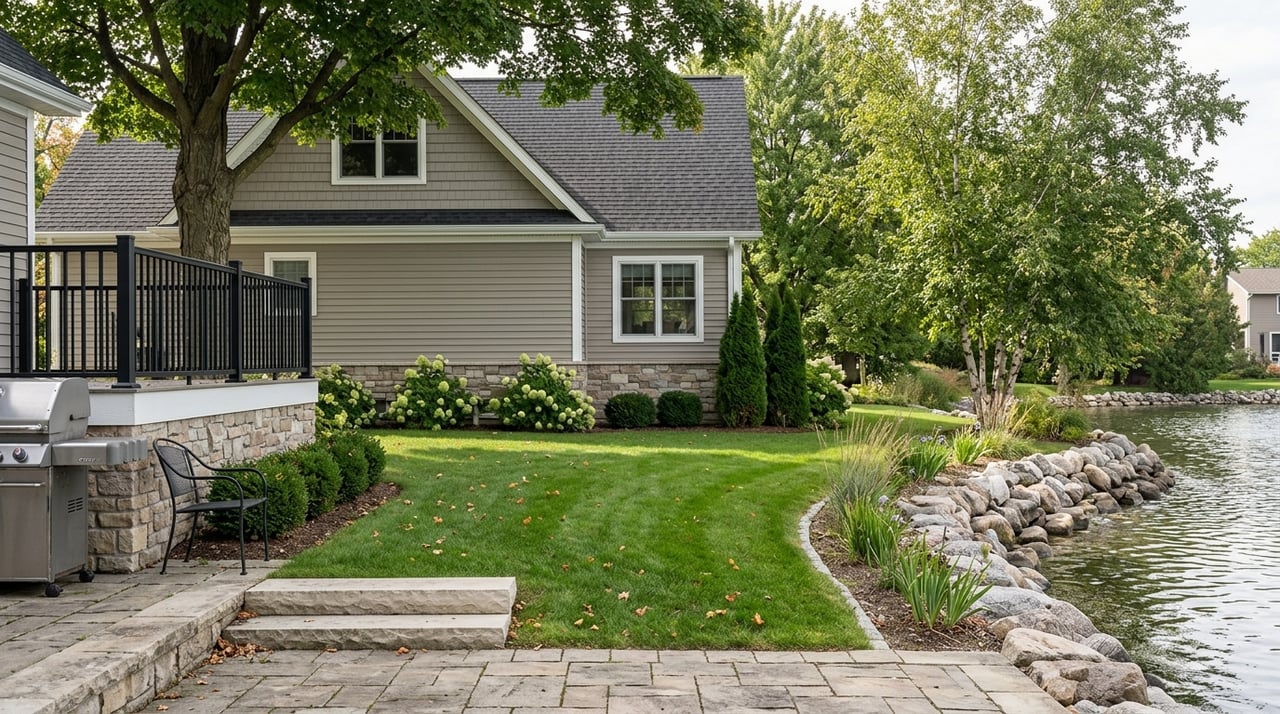
Address walkways and concrete. Patch cracks, fix trip hazards, and sweep salt stains. Refresh landscaping by pruning shrubs, removing winter debris, edging beds, and adding fresh mulch. If branches are blocking lake views, trim thoughtfully to improve sightlines while keeping privacy.
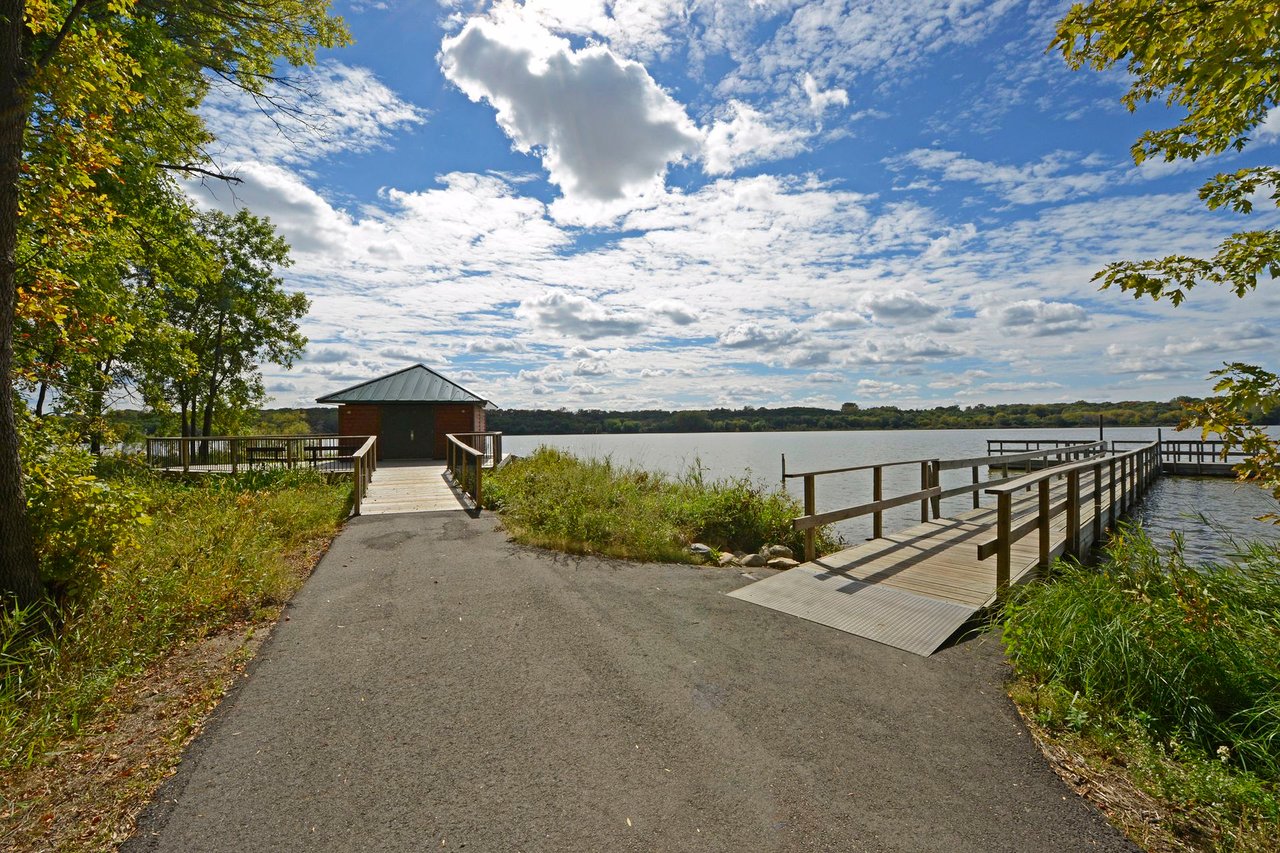
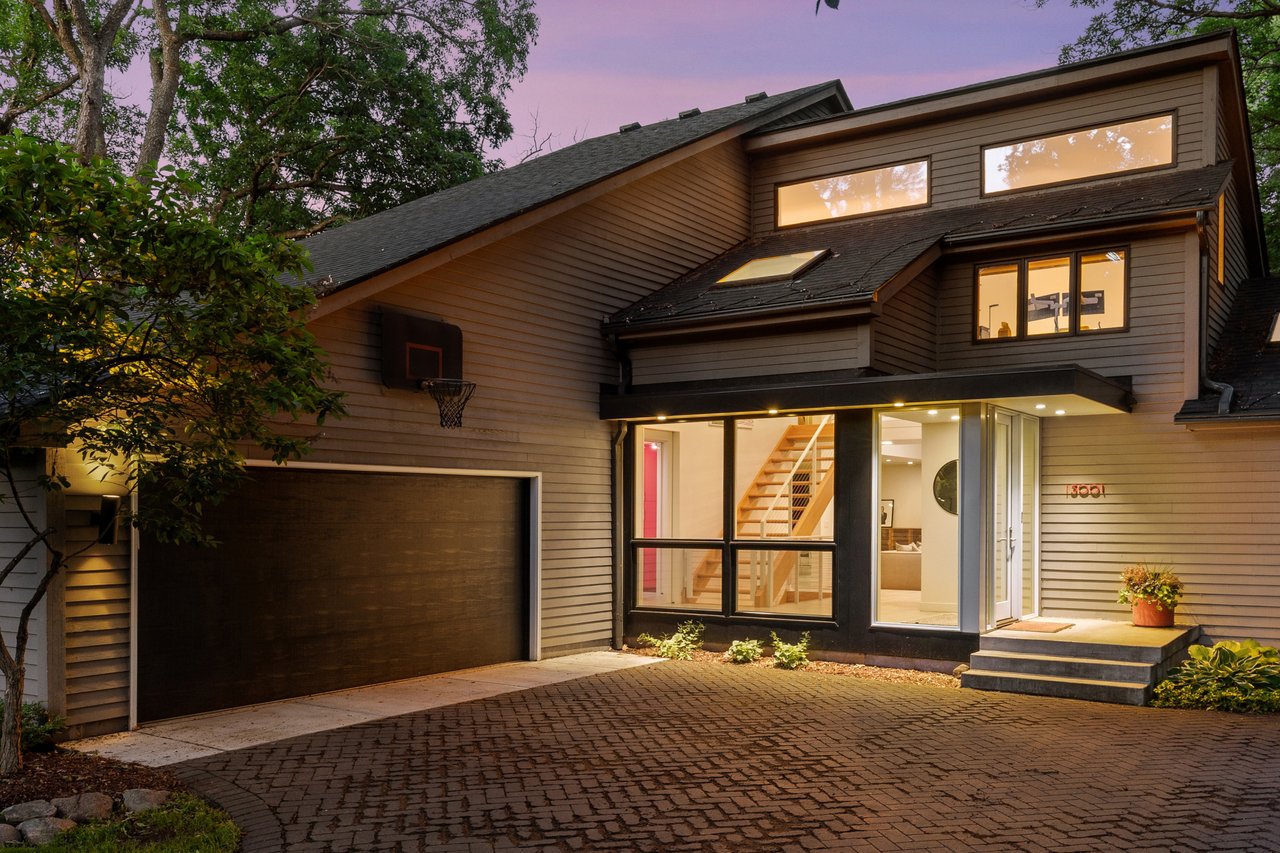
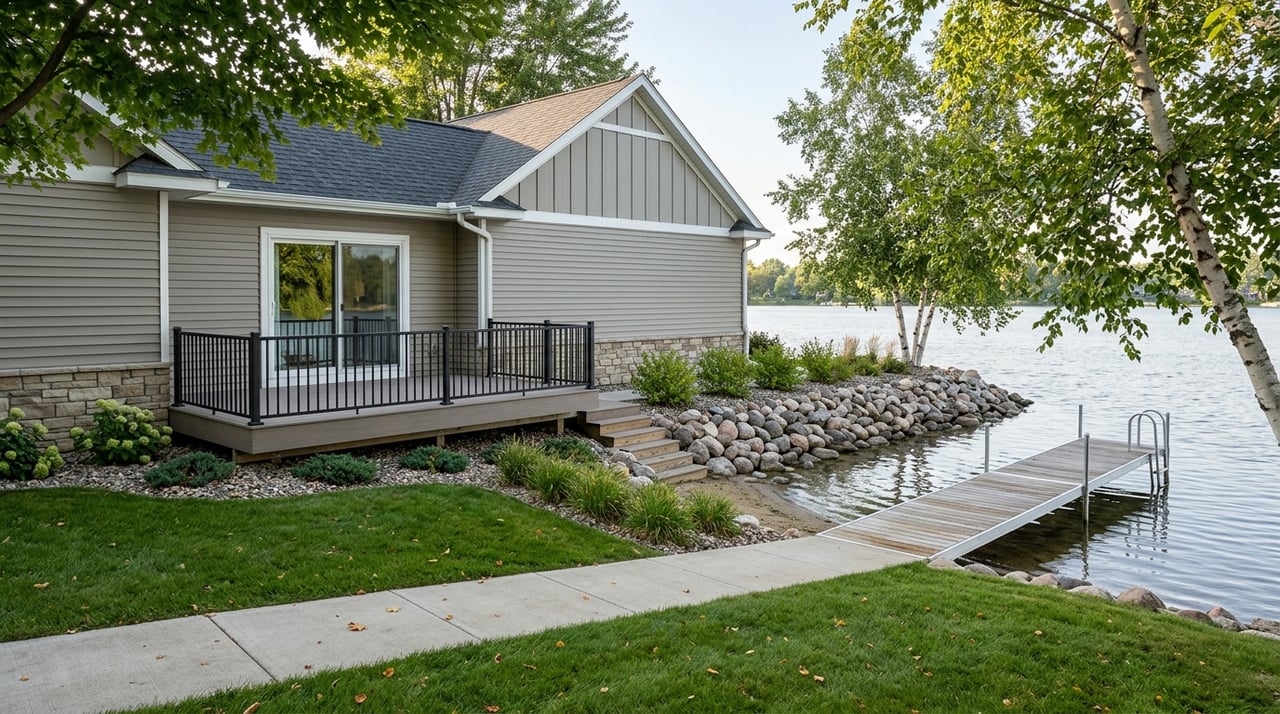
Check exterior lighting. Replace bulbs, clean fixtures, and ensure path and porch lights work for evening showings. For the lakeshore and dock, remove winter debris, inspect for loose boards, and tidy seasonal gear. If erosion or larger shoreline fixes are needed, consult the city or state before major work.
1–3 weeks out: interior staging and comfort
Deep clean and declutter. Pack extra winter coats and boots, edit décor, and clear surfaces so rooms feel open. Clean carpets, vents, baseboards, and every window you can safely reach.
Maximize natural light and views. Swap heavy drapes for lighter panels or open blinds fully. Arrange furniture to face windows or create clear sightlines to the lake. Replace any burned-out bulbs with daylight-balanced bulbs for bright, even photos.
Tackle small fixes. Patch nail holes, touch up scuffs in high-traffic areas with neutral paint, tighten cabinet hardware, and check that doors and locks operate smoothly. Service the furnace or heat pump, change filters, and check the water heater so showings are comfortable.
Freshen kitchens and baths. Clear counters to the essentials, re-caulk or re-grout as needed, and consider low-cost hardware or fixture updates if they make a noticeable impact. Keep scents light and focus on fresh air exchange. If there are any musty or boat-storage odors, address sources and ventilate.
48–72 hours out: photo and showing prep
Do a final deep clean and store personal photos. Make beds with crisp linens and hide trash and pet items. Set the thermostat to a comfortable temperature.
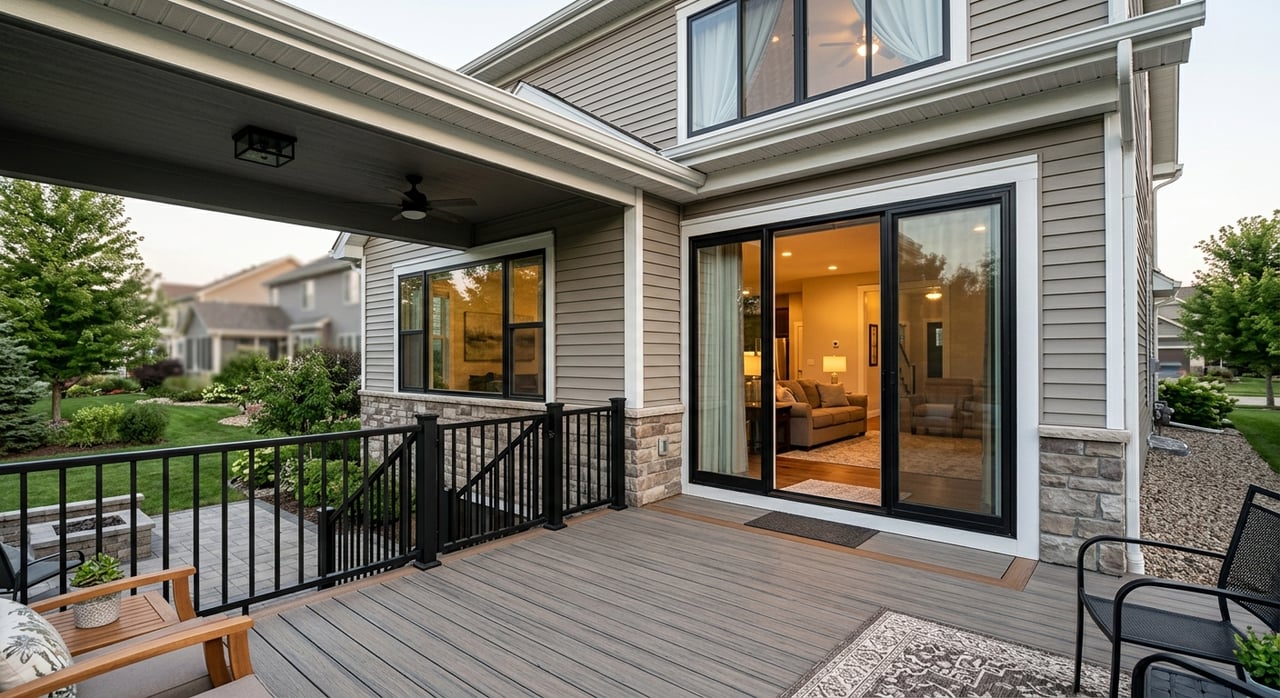
Stage outdoor living. Clean patio and deck furniture, set up an inviting seating area, and if appropriate, neatly display lake items to hint at the lifestyle. For properties with docks or boats, make sure everything is safe and allowed under HOA or city rules.
Lakeshore rules and documentation
Major shoreline work can be regulated. The Minnesota DNR explains shoreland management rules. Before altering a shoreline, adding a retaining wall, or changing a dock, confirm what is allowed and whether permits are needed. The City of Mound and Hennepin County zoning staff can help you verify local rules and shoreland overlays.
Gather paperwork now so buyers can move fast. Pull any available records for permits and improvements, surveys, HOA documents, recent utility bills, maintenance receipts, and dock permits or agreements. If your home has a private well or septic, collect service records and disclosure documents. For homes built before 1978, federal rules require lead-based paint disclosures.
Minnesota has greater radon risks than many states. Providing a test result, and mitigation records if applicable, can simplify negotiations. Find seller-friendly guidance on the Minnesota Department of Health radon page. If your property could be near a floodplain, verify status with county maps and note any insurance requirements.
Stage for light, views, and lifestyle
Make the lake the star. Position living room seating toward the view and keep windows clear of bulky furniture. Swap in lighter, neutral window treatments and clean glass and blinds. A few well-placed mirrors can bounce light into darker corners, but avoid glare in photos.
Keep access visible. Buyers like to walk to the water, so ensure paths are clear, safe, and easy to follow. If you have a fire pit, dock lounge area, or screened porch, stage those spaces to show how the home lives in spring and summer.
Plan smart photography. Choose a clear day. Early morning or late afternoon can add warmth outside, while late morning often produces bright, even interior light. If you use drone photography, hire a licensed pilot and follow FAA Part 107 rules for commercial drone use. Aerial shots that show the home in context with the shoreline are powerful for lake buyers.
Be honest about seasons. Spring blooms and a clean shoreline look great, but do not misrepresent the season. If you include a summer image for context, label it clearly.
Cost-smart priorities
Focus on high ROI tasks first. You usually get the best return from a deep clean, decluttering, neutral touch-up paint, fixing safety items, power-washing, mulching, and staging for light and views. These items are budget-friendly and photo-friendly.
Evaluate shoreline and dock spending. Cosmetic cleanups are low cost and high impact. Structural work, retaining walls, or major erosion fixes are higher cost and may require permits, so weigh necessity against buyer expectations and your timing.
Consider a radon plan. A pre-listing test provides clarity. If mitigation is needed, many buyers see a professionally installed system as a plus.
Choose the right pros. For dock, deck, or shore work, ask for lake experience, insurance, references, and permit support. For photography and drone work, review portfolios of lake properties and confirm licensing.
Be ready for common buyer questions
Prepare clear answers and documents. Buyers often ask:
- What exactly are the water access rights or dock rights with this property?
- Is the dock permitted and included in the sale? What is its condition?
- Has the shoreline had stabilization or erosion repair, and when?
- Is the property in a floodplain or shore impact zone? Any history of high water?
- How old are the roof, HVAC, and major systems? Any recent service?
- Are there well and septic records, if applicable?
- Do you have radon testing results and mitigation records?
Local prep checklist at a glance
8–12 weeks
- Optional pre-listing inspection.
- Consider a radon test and plan next steps.
- Verify dock rights and any needed permits for shoreline work.
- Schedule contractors for exterior, dock, or landscaping projects.
4–6 weeks
- Clean gutters and check roof for ice-dam damage.
- Power-wash siding and touch up paint.
- Repair trip hazards, patch concrete, and edge beds.
- Prune for curb appeal and clearer lake views.
1–3 weeks
- Deep clean, declutter, and remove excess winter gear.
- Maximize light with clean windows and lighter window treatments.
- Neutral touch-up paint and minor hardware fixes.
- Service HVAC and set up inviting outdoor seating.
48–72 hours
- Final tidy, remove personal photos, and manage odors.
- Prep for photos and set a comfortable thermostat.
- Confirm safe, neat dock and shoreline presentation.
Ready to list in Mound?
If you want a clear plan from valuation to staging to launch, we are here to help. Our team pairs neighborhood-first storytelling with the distribution power of Coldwell Banker to maximize your exposure, including lakeshore expertise on Lake Minnetonka. Reach out to Ben Hahn to request a Free Home Valuation & Neighborhood Consultation.
FAQs
When should you start preparing a Mound, MN lake home for spring?
- Begin 6 to 12 weeks before your target list date for major items and contractors, then move into curb appeal and staging in the final 3 to 6 weeks.
Do you need a permit to repair or change a dock on Lake Minnetonka?
- Minor maintenance is often allowed, but larger changes can require approval; confirm local rules with the City of Mound and review shoreland guidance from the Minnesota DNR.
Is radon common in Minnesota homes, and should you test before listing?
- Minnesota often has elevated radon levels; a pre-listing test and sharing results can reduce negotiation friction. See the Minnesota Department of Health radon guidance.
How do you handle shoreline erosion before selling?
- Document any recent repairs, tidy the shoreline, and consult local authorities before major work; some stabilization projects require permits and lead time.
Should you order a pre-listing inspection?
- It is optional but useful to uncover safety or system issues early, price repairs accurately, and lower the risk of surprises during buyer inspections.
Are drone photos allowed over your property and the lake?
- Drone photography is effective for lake homes, but the pilot must follow FAA Part 107 rules and any local restrictions; hire a licensed, insured operator.