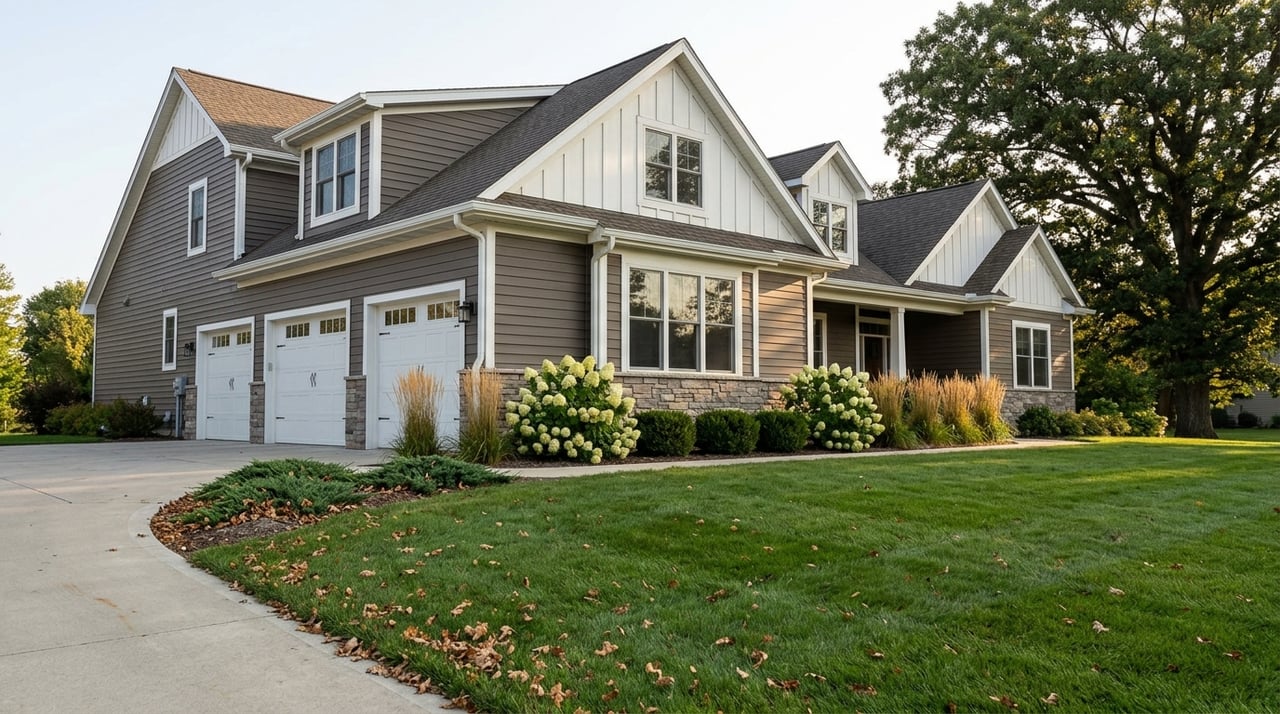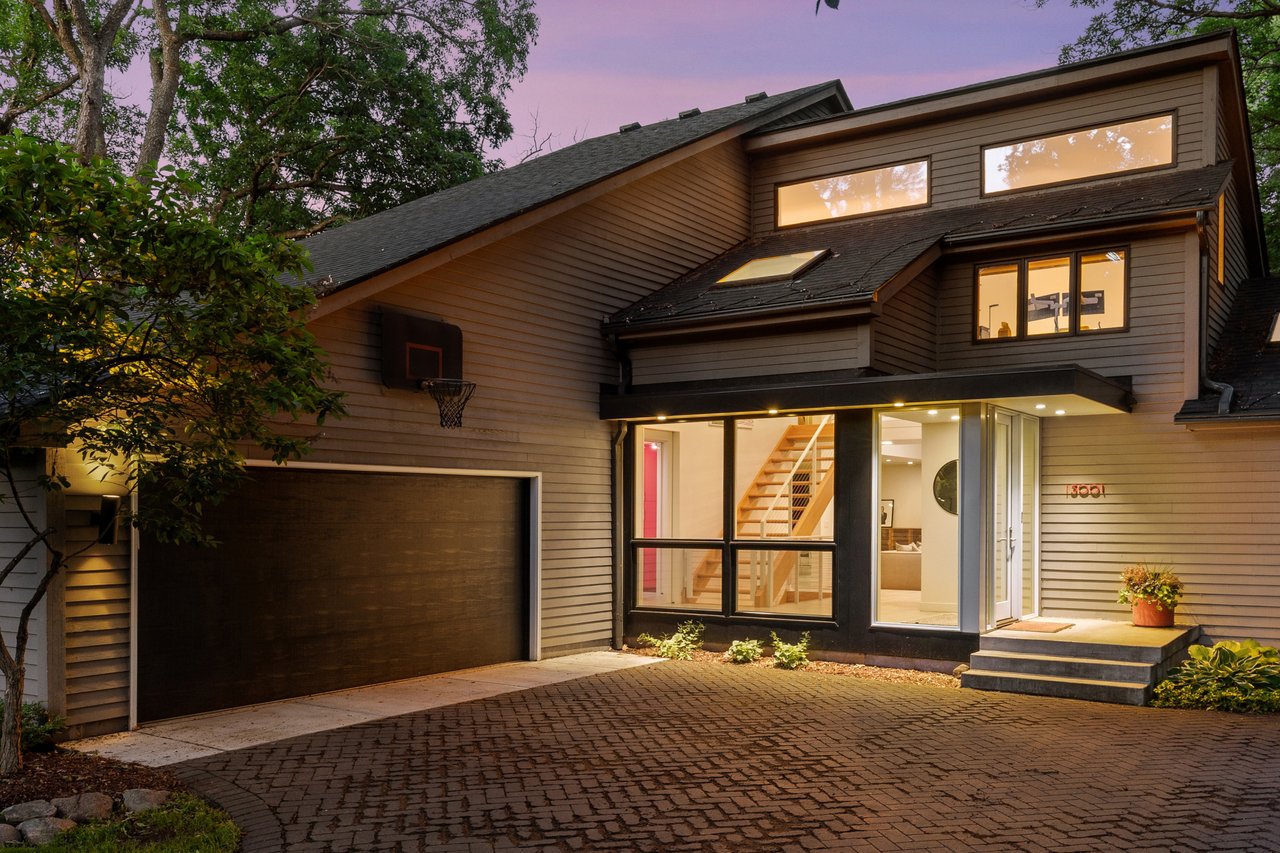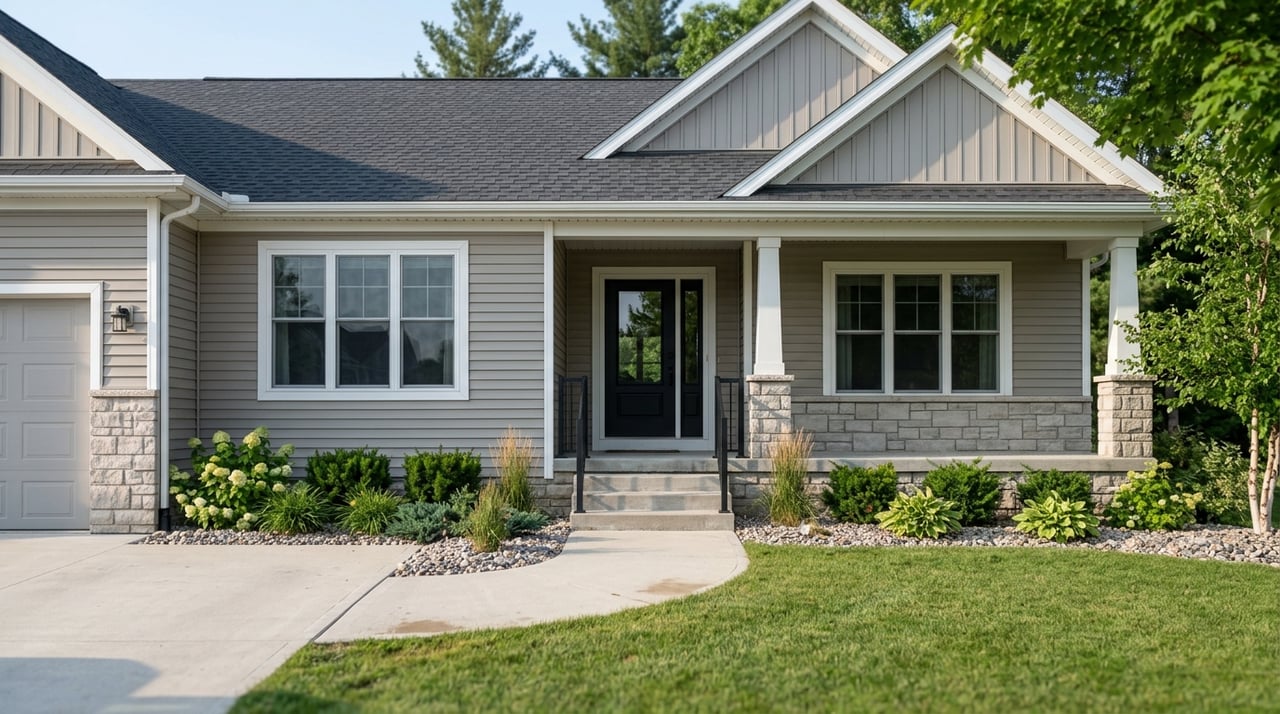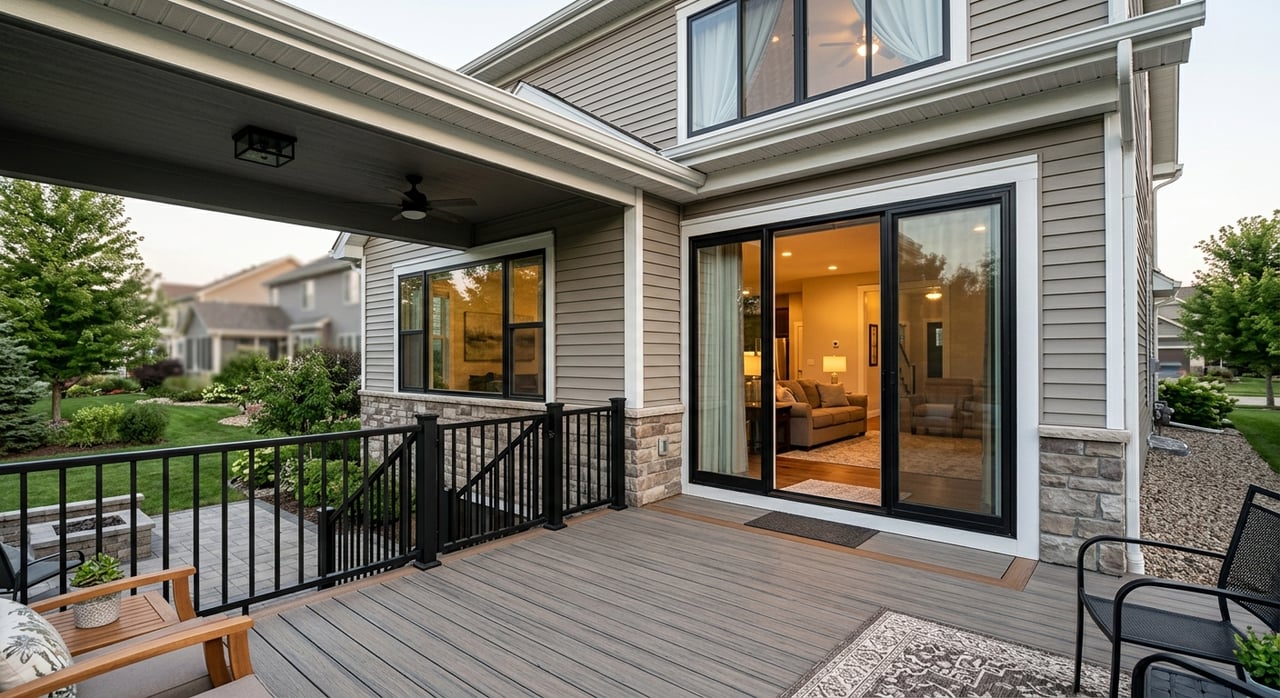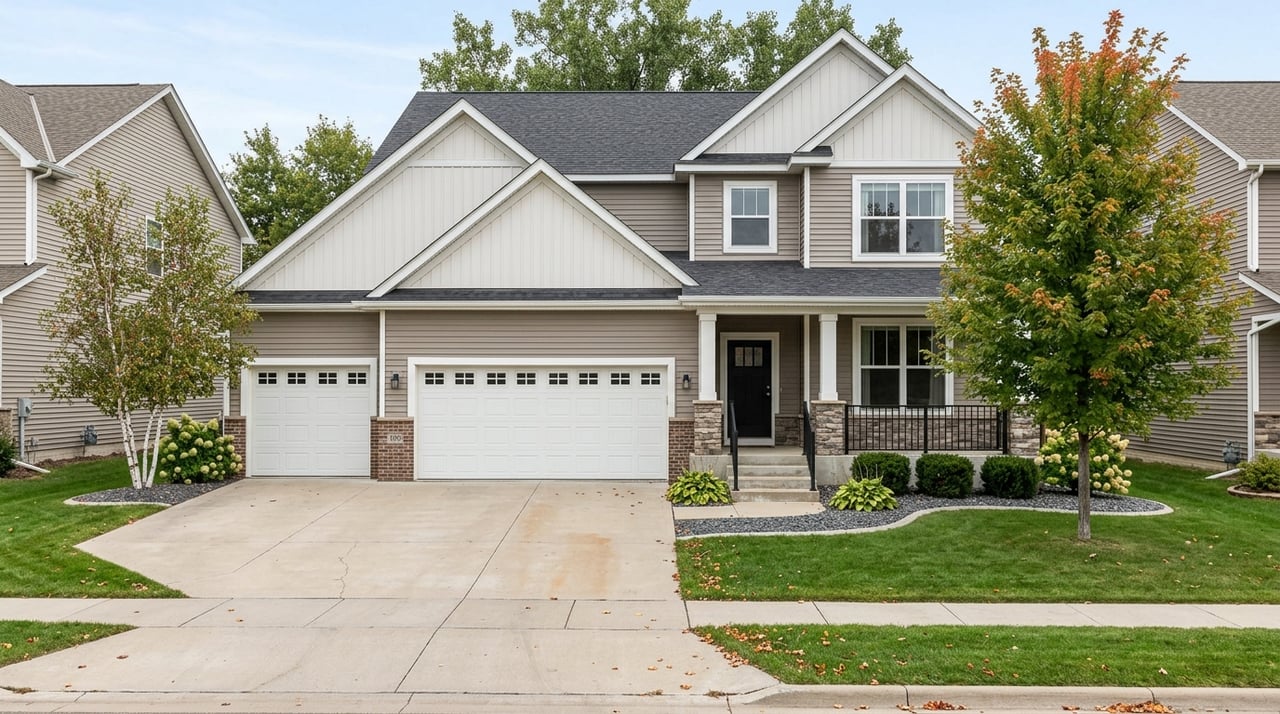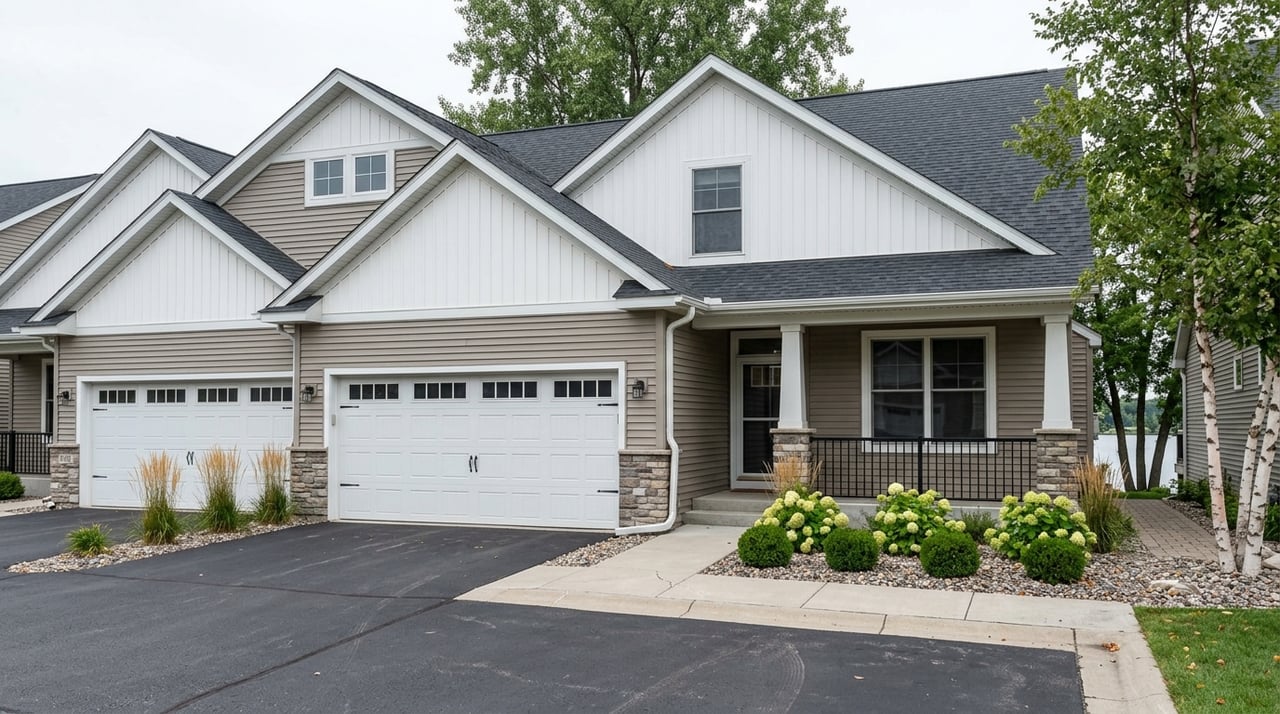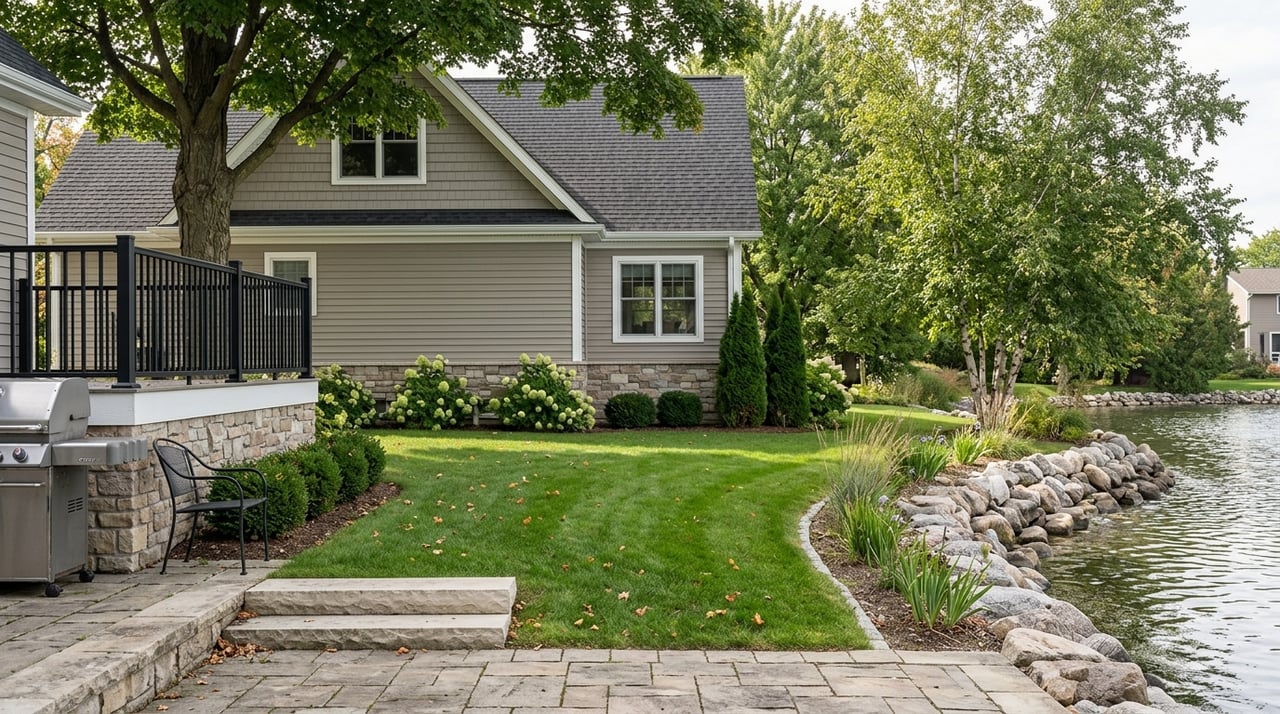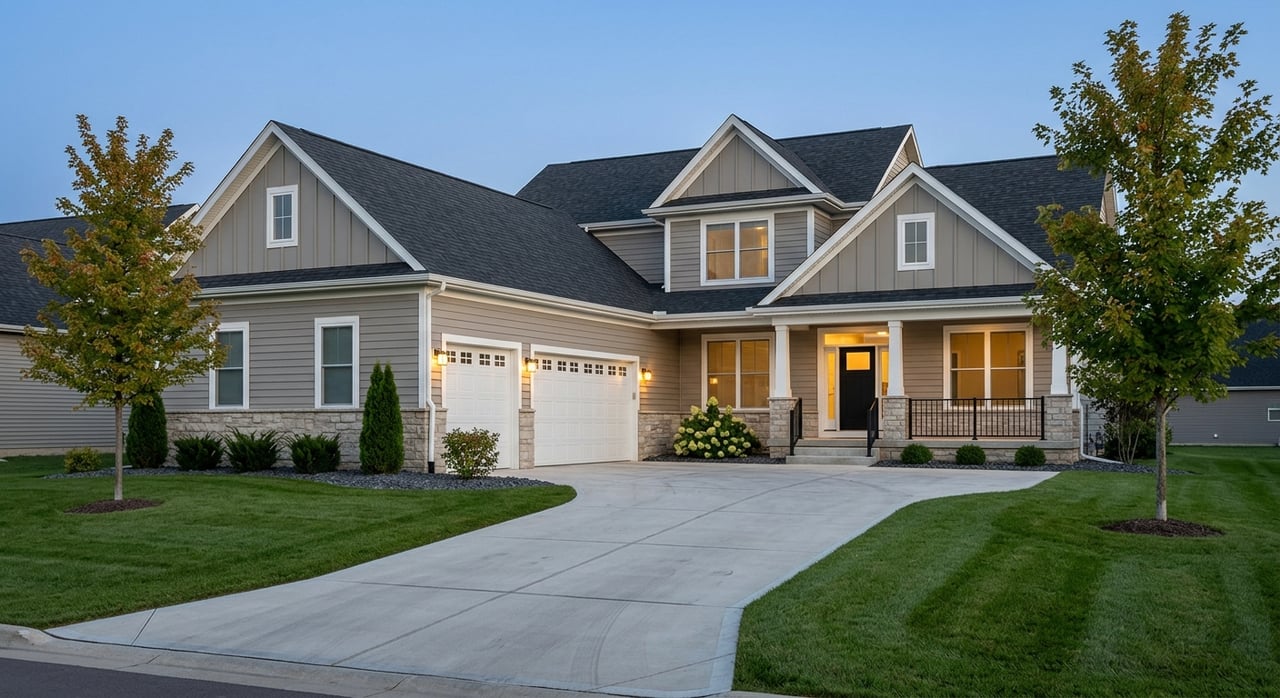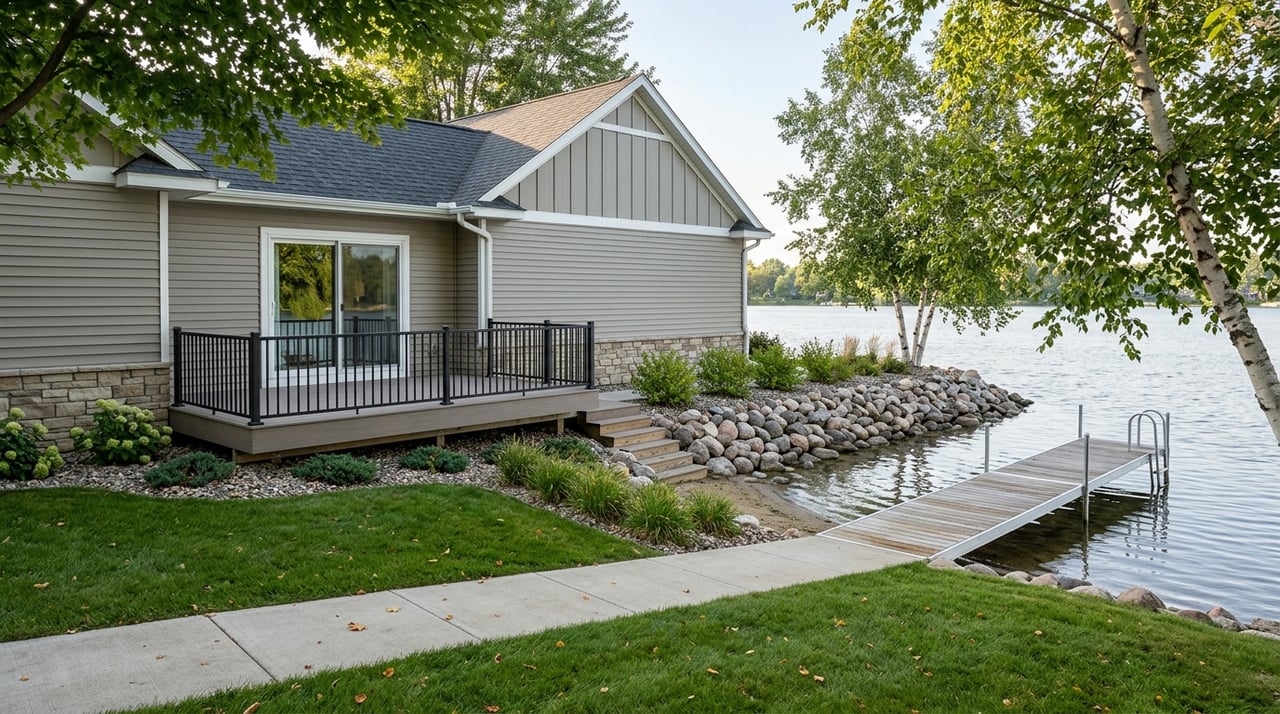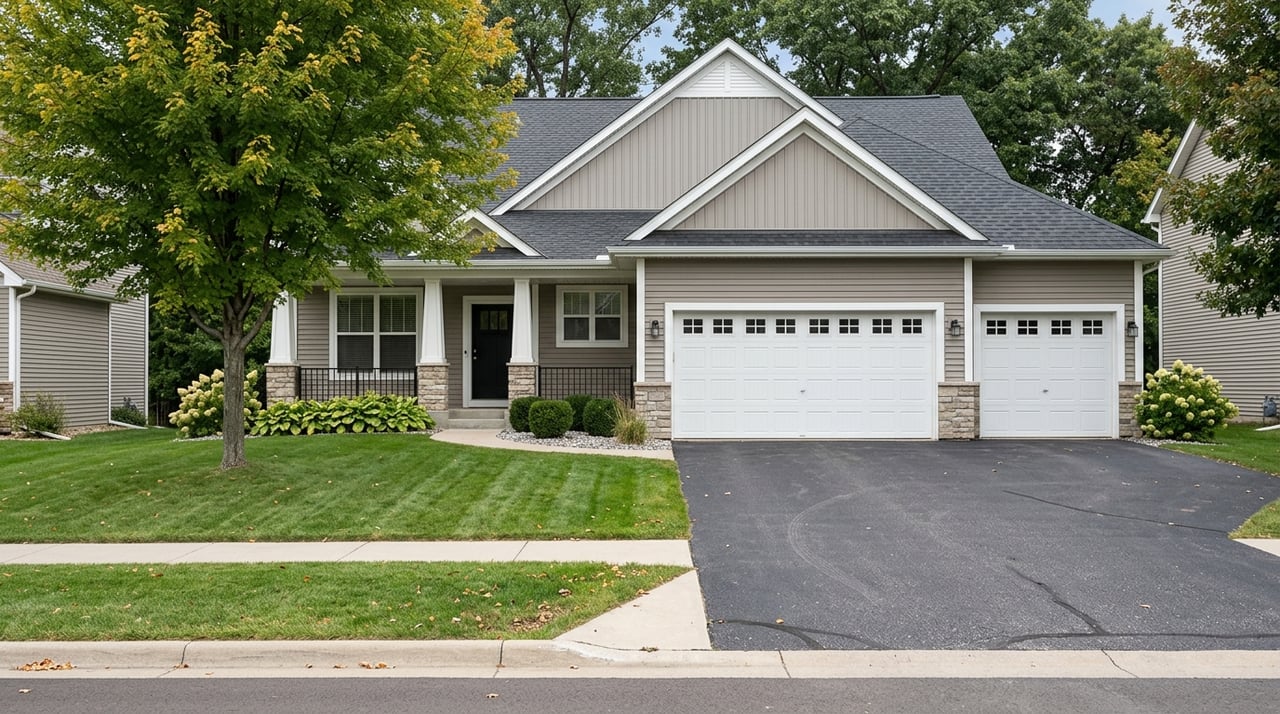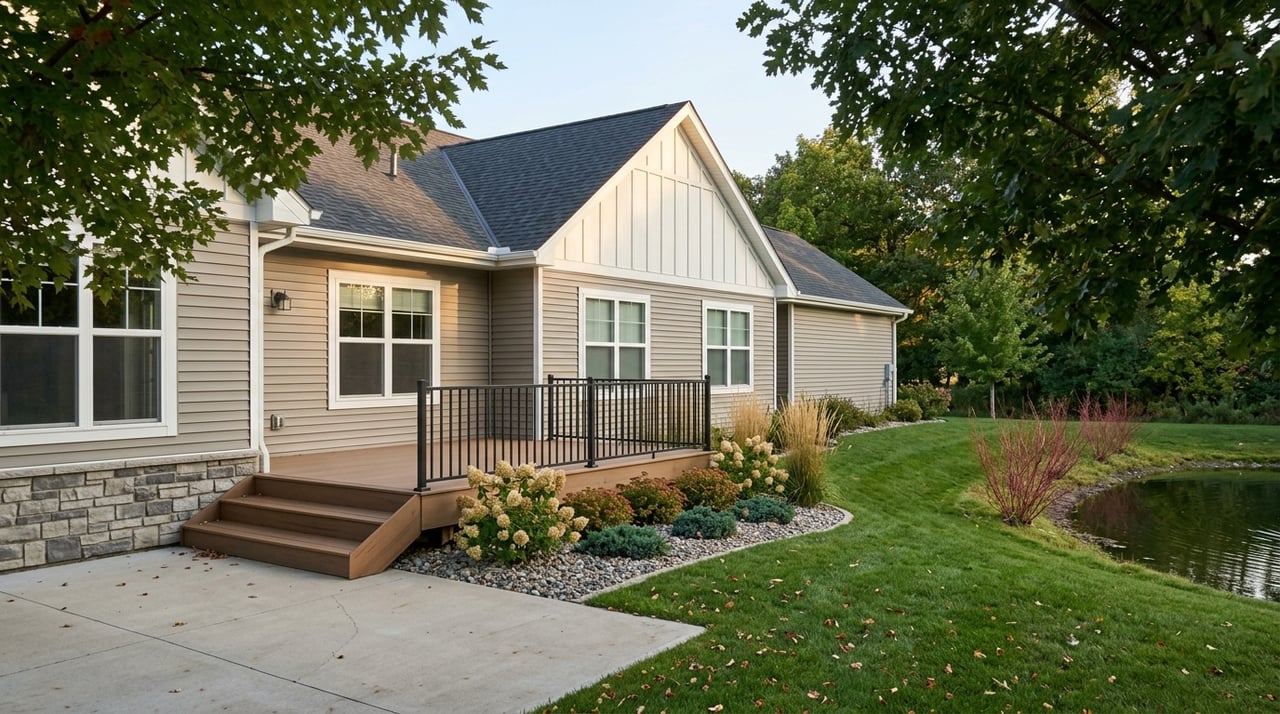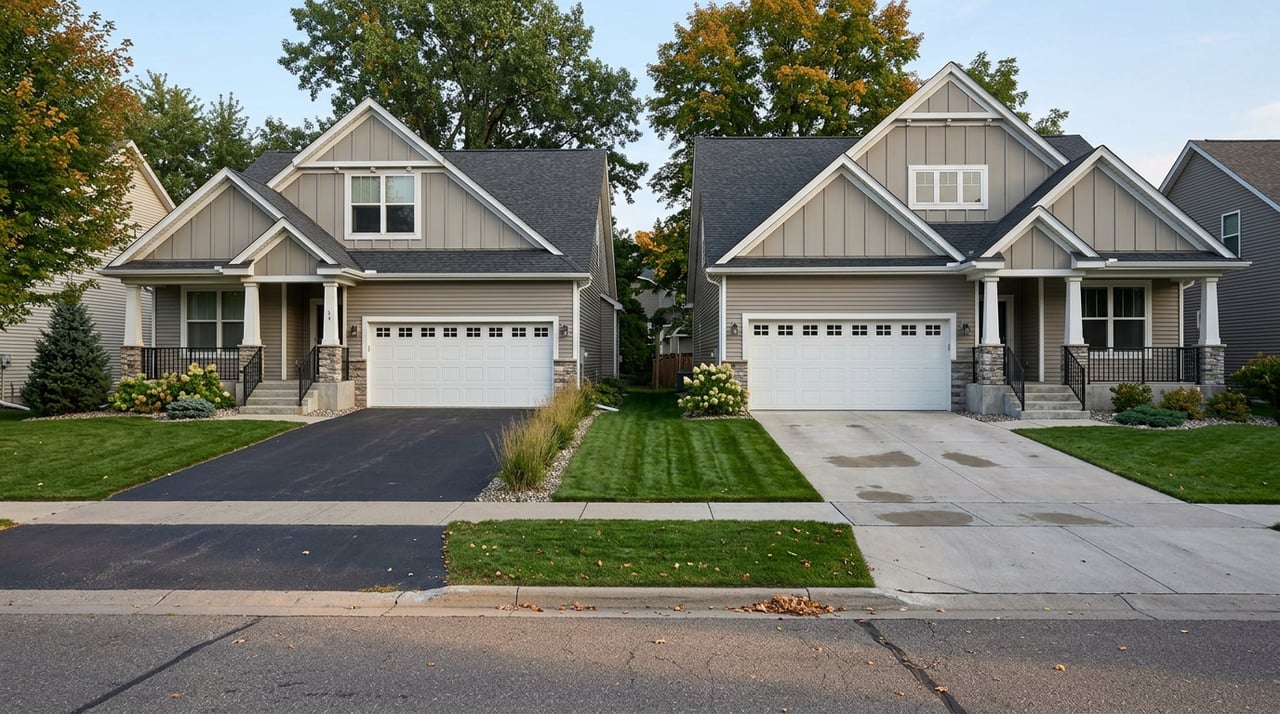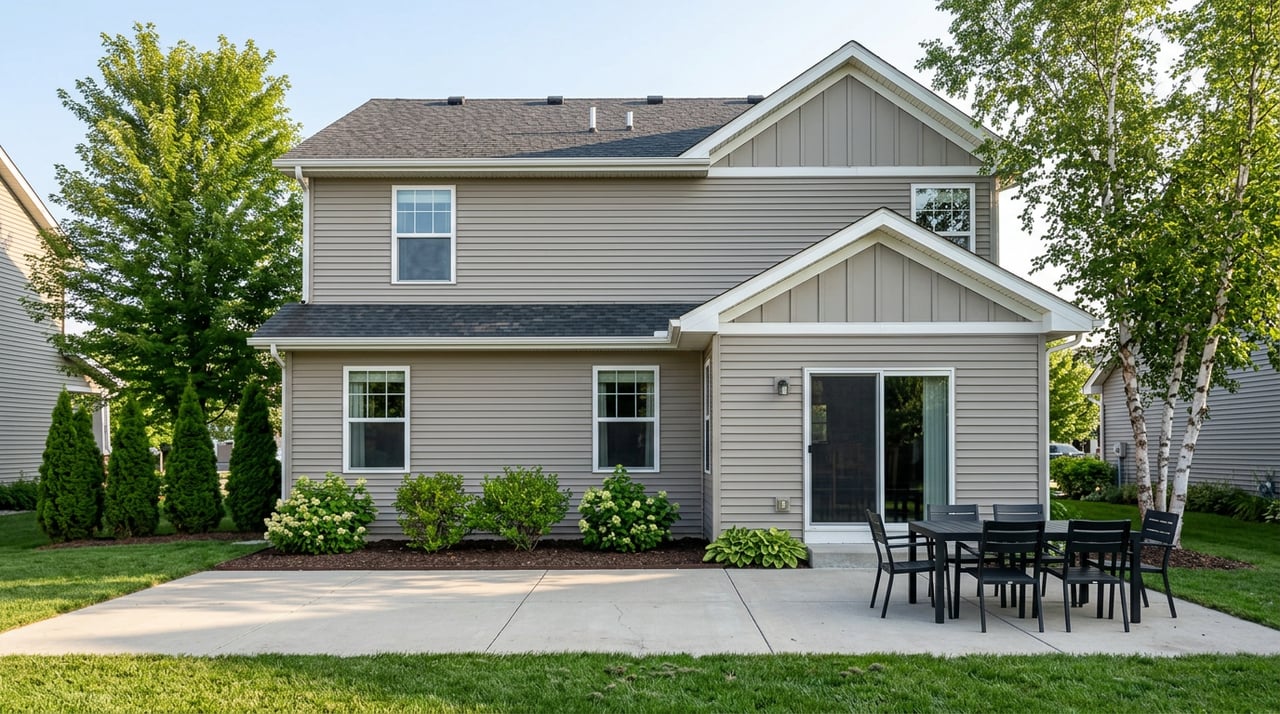
Thinking about building a new home in Chanhassen? It is exciting to picture the finishes, layout, and move-in day, but the smartest decisions often happen long before you choose countertops or cabinet colors. If you understand how Chanhassen handles lots, permits, inspections, and builder paperwork, you can avoid common surprises and move forward with more confidence. Let’s dive in.
Why Chanhassen new construction is different
Chanhassen is a growing southwest Twin Cities suburb in Carver County, and the city actively manages residential development through planning review, zoning enforcement, and development approvals. That matters because not every lot works the same way, even when two homes look similar from the street.
You may find standard subdivision lots, custom sites, replatted parcels, townhome opportunities, or homes in planned unit developments. In practice, that means your new construction path can involve more than a builder brochure and a floor plan.
Step 1: Start with the lot
Before you fall in love with a model home, make sure the lot can actually support the home you want to build. In Chanhassen, lot feasibility depends on zoning, parcel size, and whether roads, sewer, and water are available.
A good first step is reviewing the plat, lot dimensions, setbacks, easements, and lot coverage. Chanhassen’s engineering department can provide lot dimensions, and Carver County GIS offers plat access, which can help you confirm the basic facts early.
Ask if the lot is in a PUD
Many Chanhassen neighborhoods are part of residential planned unit developments, often called PUDs. These communities can have their own design standards, which may affect your home plan, exterior details, setbacks, or site layout.
If the lot is in a PUD, ask what standards apply before you sign anything. If the property needs a variance, that is another detail to understand upfront because it can affect timing and feasibility.
Confirm survey and site requirements
For custom or semi-custom sites, surveys matter. Chanhassen requires certificates of survey showing property lines, setbacks, existing structures, utilities, and proposed improvements.
This is one of the most important early checkpoints because it helps align the lot, your building plan, and city requirements. It can also reveal problems before they become costly changes.
Check for assessments and charges
Do not assume the lot price tells the full story. Ask whether there are public-improvement assessments or deferred access charges tied to the property.
Chanhassen notes that new construction is usually paid for by the development itself, but the city can assess benefitting properties for items like streets, water mains, sewer, storm sewer, and related indirect costs. If unpaid, those assessments can be certified to the county and added to property taxes.
Step 2: Choose the right builder
Once the lot checks out, your builder becomes the next big decision. In Minnesota, you should verify that the builder is a licensed residential building contractor.
The Minnesota Department of Labor and Industry says a contractor license requires insurance and continuing education. It also gives access to the Contractor Recovery Fund. Be careful not to confuse a true contractor license with a registration number that begins with IR, which is not the same thing.
Get everything in writing
A written contract is not just a formality. It should clearly spell out the scope of work, materials, price, payment schedule, timeline, and what happens if deadlines are missed.
This is where many avoidable headaches begin or end. If the details are vague at the start, it becomes much harder to resolve disagreements later.
Require a written change-order process
Upgrades and plan changes are common in new construction. What matters is how those changes are handled.
Minnesota guidance recommends that every change be documented in a written change order signed by the homeowner. If you choose different finishes, add features, or adjust the plan, make sure the price and timeline impact are documented before the work moves ahead.
Let the contractor handle permits when appropriate
If a buyer or owner pulls permits personally, they also take on responsibility for code compliance for that work. Minnesota Attorney General guidance says the contractor should normally obtain permits and inspections.
That does not mean you should ignore the permit process. It means you should understand who is responsible and avoid taking on that role casually.
Step 3: Understand Chanhassen permits
In Chanhassen, permit applications are submitted online, and the city uses the 2020 Minnesota State Building Code. Many projects need at least 10 working days for plan review, so build that into your timeline.
Permit fees are based on project valuation, plus a state surcharge. That is another reason to ask for a detailed builder estimate from the beginning.
Know which permits may be separate
Some permits are separate from the main building permit. Depending on the project, you may also need:
- Earthwork permits for grading, hauling, or soil disturbance over 50 cubic yards
- Earthwork permits for activity that changes drainage patterns
- Plumbing permits for new plumbing work
- HVAC permits for most heating and cooling work
- Electrical permits through the State of Minnesota rather than the city
These details matter because a delay in one permit can affect the overall schedule.
Pay attention to drainage and grading
Drainage is one of the most overlooked parts of a new build. In Chanhassen, earthwork permits can be triggered by grading or changes in drainage patterns, and the city requires an as-built grading survey before occupancy unless an escrow arrangement is in place.
That means grading is not just a site-work detail. It can directly affect whether you reach the finish line on time.
Confirm septic needs early if applicable
If the lot is not connected to city sewer, verify septic or individual sewage treatment system requirements right away. Chanhassen’s building division handles individual sewage treatment systems, and septic permits are listed among the city’s permit types.
This is especially important on certain custom sites where utility service may differ from a standard subdivision lot.
Step 4: Follow inspections closely
Inspections are a core part of the process, not a box to check at the end. Minnesota’s rules for new construction typically include inspections for the foundation, framing, rough-ins, and energy-efficiency requirements.
In Chanhassen, electrical inspections are handled by the state inspector. Rough-in and final electrical inspections must be scheduled after the electrical permit is issued, and the city says the certificate of occupancy will be issued after the final electrical inspection.
Keep your timeline realistic
Even when your home appears nearly complete, final approvals can still depend on inspections, electrical sign-off, and grading documentation. A realistic timeline protects you from the stress of planning a move around a date that may shift.
This is one area where local guidance really matters. A well-managed timeline accounts for review periods, permit coordination, inspections, and final city requirements.
Step 5: Review warranties before closing
Minnesota gives buyers important statutory protections on new homes. These warranties apply to new-home sales and new-home construction contracts.
Here is the basic warranty structure under Minnesota law:
- 1 year for workmanship and materials
- 2 years for plumbing, electrical, heating, and cooling systems
- 10 years for major construction defects
Document issues in writing
If a defect shows up after closing, written notice matters. Minnesota law and Department of Labor and Industry guidance emphasize giving written notice and allowing an opportunity to inspect or repair before litigation.
In some cases, a home-warranty dispute resolution process may also be required. That process is nonbinding and designed to help resolve warranty disputes before going to court.
Common Chanhassen new-build mistakes
Most buyer mistakes in new construction are practical, not dramatic. They often happen when buyers move too fast through the early steps.
The most common issues include:
- Signing before the scope of work is clear
- Skipping the builder license check
- Making upgrades without signed change orders
- Overlooking drainage or grading requirements
- Failing to ask about assessments or utility access charges
Each of these can create delays, added cost, or unnecessary stress. A smooth build usually comes from strong due diligence, clear documentation, and steady follow-through.
How local guidance helps
New construction in Chanhassen is not only about selecting a home plan. It is about making sure the lot, survey, zoning, builder contract, permit path, inspections, and closing details all line up.
That is where local support can make a real difference. When you have someone helping you connect the moving pieces from the lot search through closing, it becomes much easier to ask the right questions at the right time.
If you are exploring new construction in Chanhassen and want a grounded, step-by-step approach, Ben Hahn can help you navigate the process with local insight and practical guidance.
FAQs
What should you check before buying a new construction lot in Chanhassen?
- Review the plat, lot dimensions, setbacks, easements, lot coverage, utility availability, possible PUD rules, and any assessments or deferred access charges.
How do you verify a builder in Minnesota for a Chanhassen new build?
- Confirm the builder is a licensed Minnesota residential building contractor, not just a registrant, and make sure the contract clearly covers scope, materials, price, timeline, and change orders.
How long do permits take for new construction in Chanhassen?
- Chanhassen says many projects need at least 10 working days for plan review, and separate permits may also be needed for earthwork, plumbing, HVAC, or electrical work.
What inspections are part of a new construction home in Chanhassen?
- New construction typically includes inspections for foundation, framing, rough-ins, and energy-efficiency requirements, and final occupancy also depends on electrical inspection and grading-related city requirements.
What warranties apply to a new construction home in Minnesota?
- Minnesota law provides statutory warranties of 1 year for workmanship and materials, 2 years for plumbing, electrical, heating, and cooling systems, and 10 years for major construction defects.