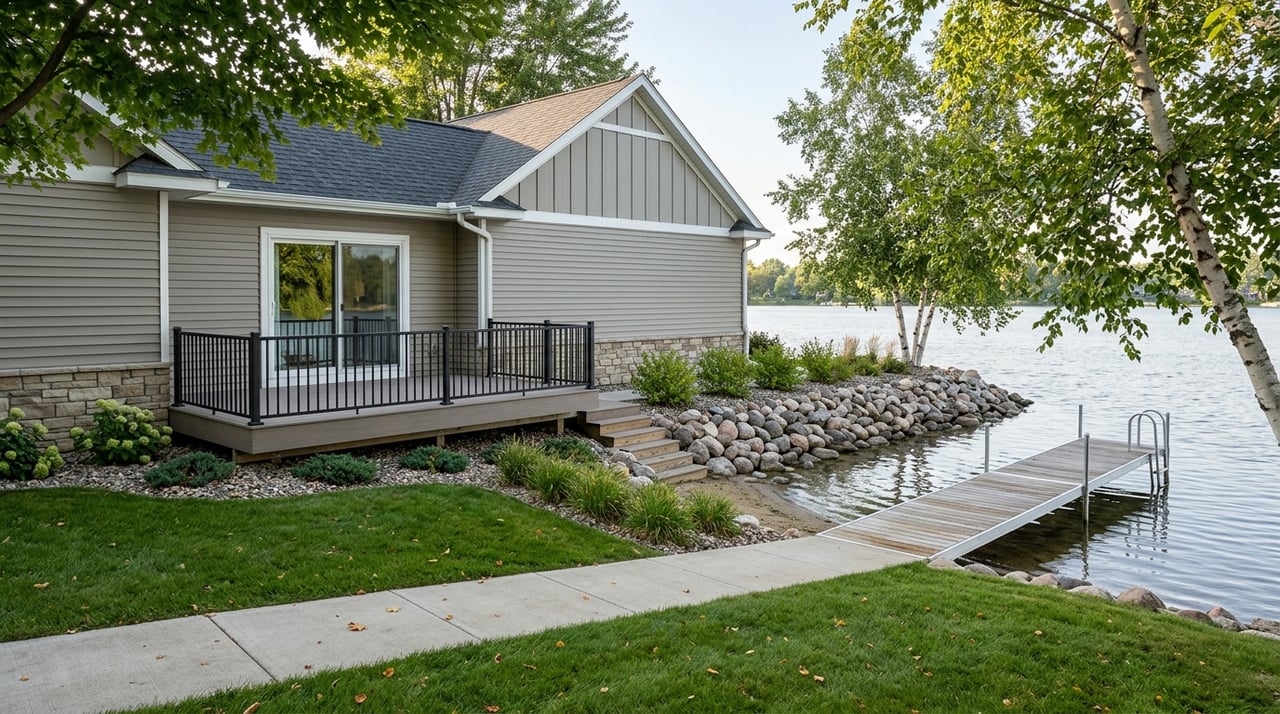
If you picture lakeshore living as a simple swap from suburb to shoreline, Minnetrista may surprise you. Life on this side of Lake Minnetonka tends to be more nuanced, more seasonal, and more property-specific than many buyers expect. When you understand how access, shoreline rules, lot types, and year-round rhythms really work here, you can make a smarter move with more confidence. Let’s dive in.
Minnetrista lake living feels different
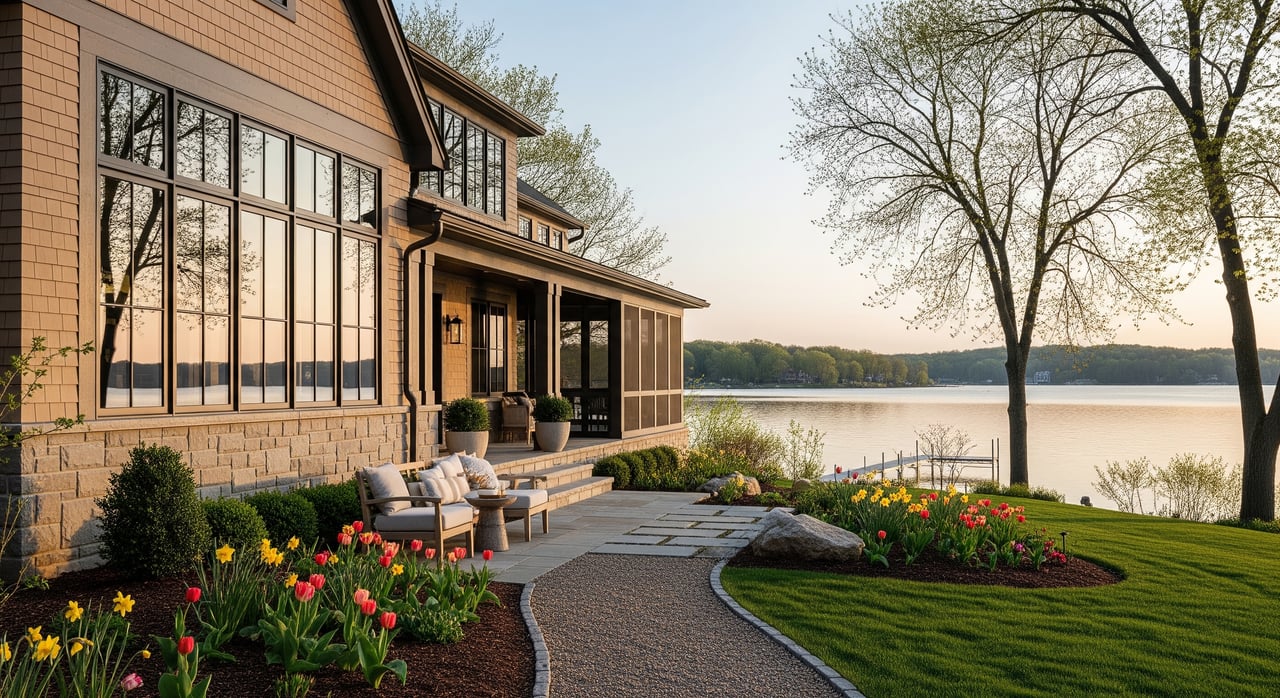
Minnetrista sits on the western bays of Lake Minnetonka in southwestern Hennepin County, and that setting shapes the entire experience. The city describes itself as a mix of emerging suburban development, diversified rural land uses, and agricultural land uses. That gives lake living here a rural edge that feels distinct from denser waterfront areas.
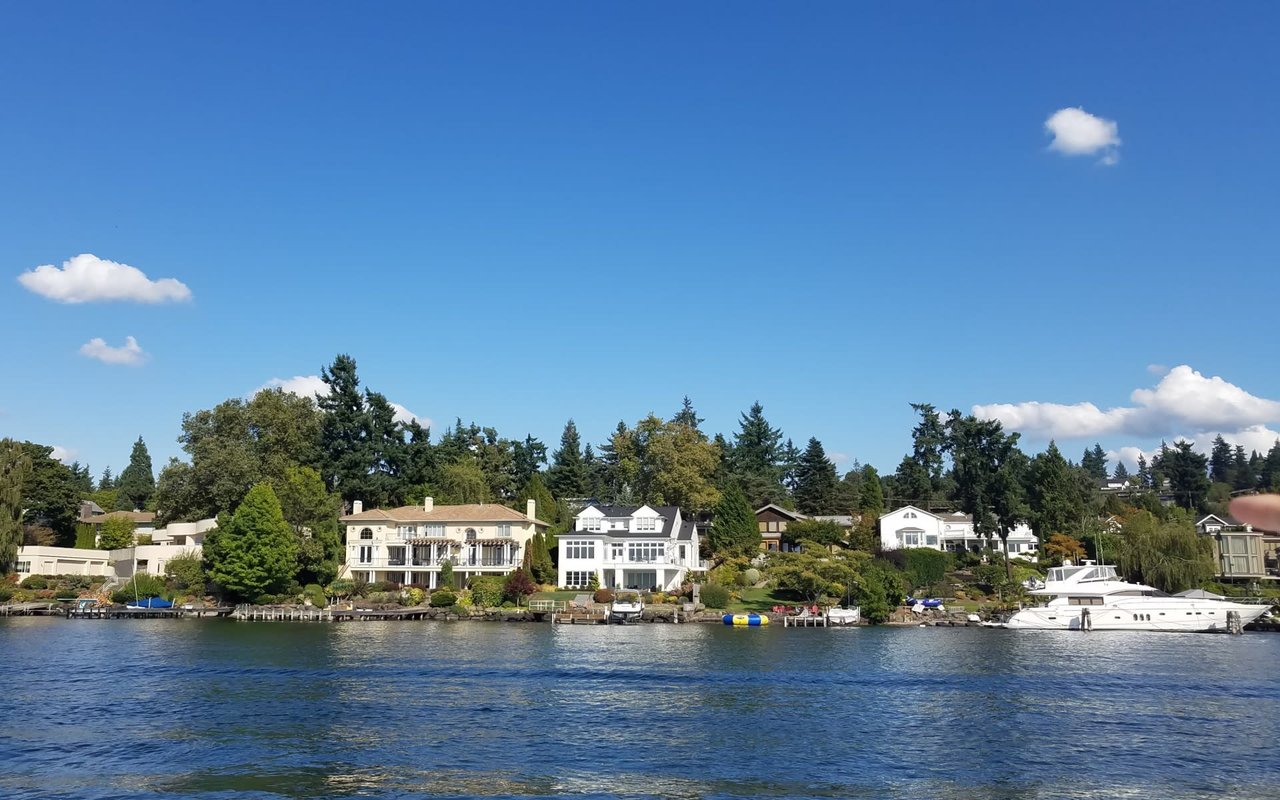
In practical terms, you are often choosing between more than just “on the lake” or “off the lake.” You may be comparing direct shoreline, near-lake homes, larger acreage parcels, or homes in newer planned developments. That variety is part of what makes Minnetrista appealing, but it also means each property needs a closer look.
Lake Minnetonka itself is a large, multi-basin system with 42 bays that vary in size, depth, and water quality. So even within Minnetrista, the day-to-day feel of lake living can change from one bay to another. A home on one stretch of shoreline may offer a very different setting than a property just a few minutes away.
Public access is limited
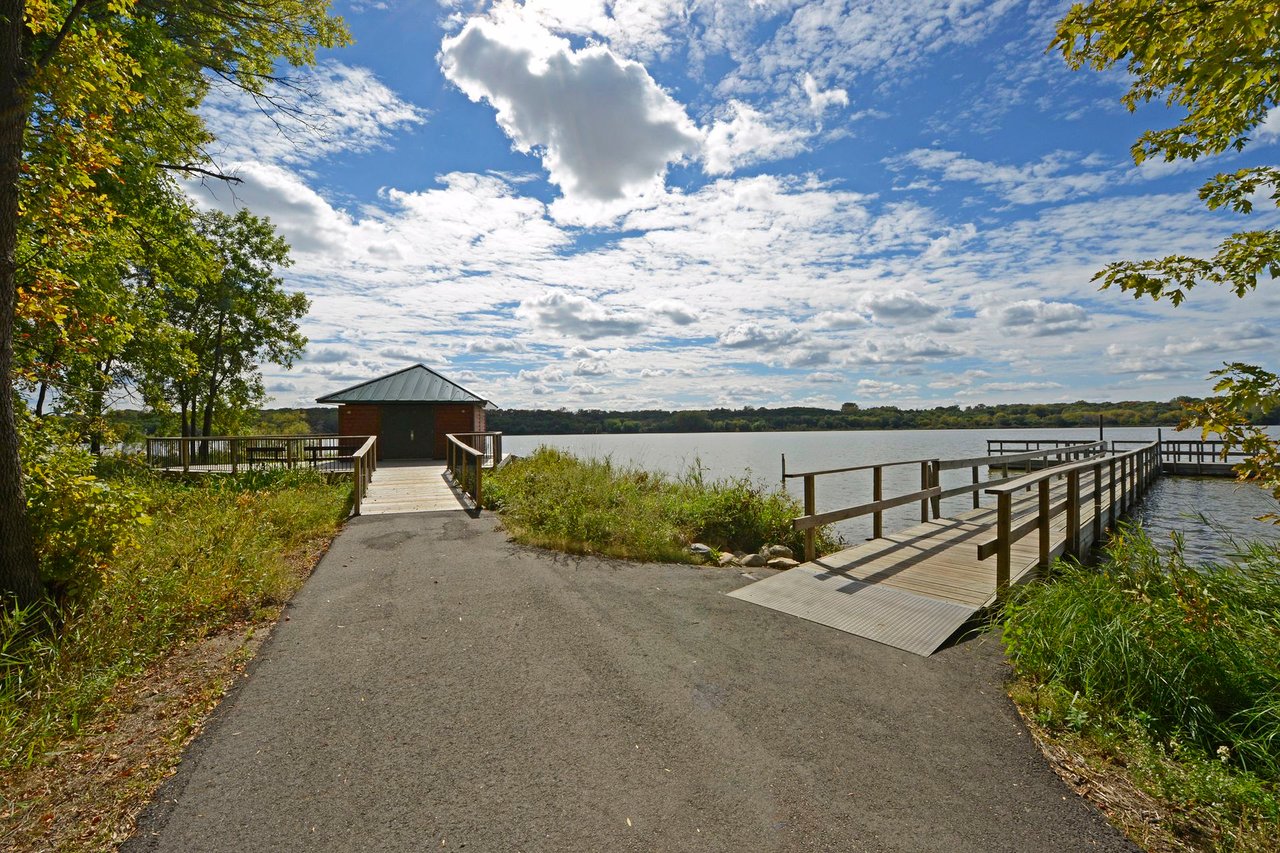
One of the biggest realities of lake life in Minnetrista is that public access is not widespread. Lake Minnetonka Regional Park in Minnetrista offers one of the few public boat launches onto the lake, with parking for 55 trailer vehicles and a required boat-trailer parking pass. The LMCD lake map also lists a public access launch at Halstead Drive in Minnetrista.
That matters if you are considering a home without private shoreline. In some lake communities, public access can feel casual and plentiful. In Minnetrista, access usually takes more planning, especially during busy times.
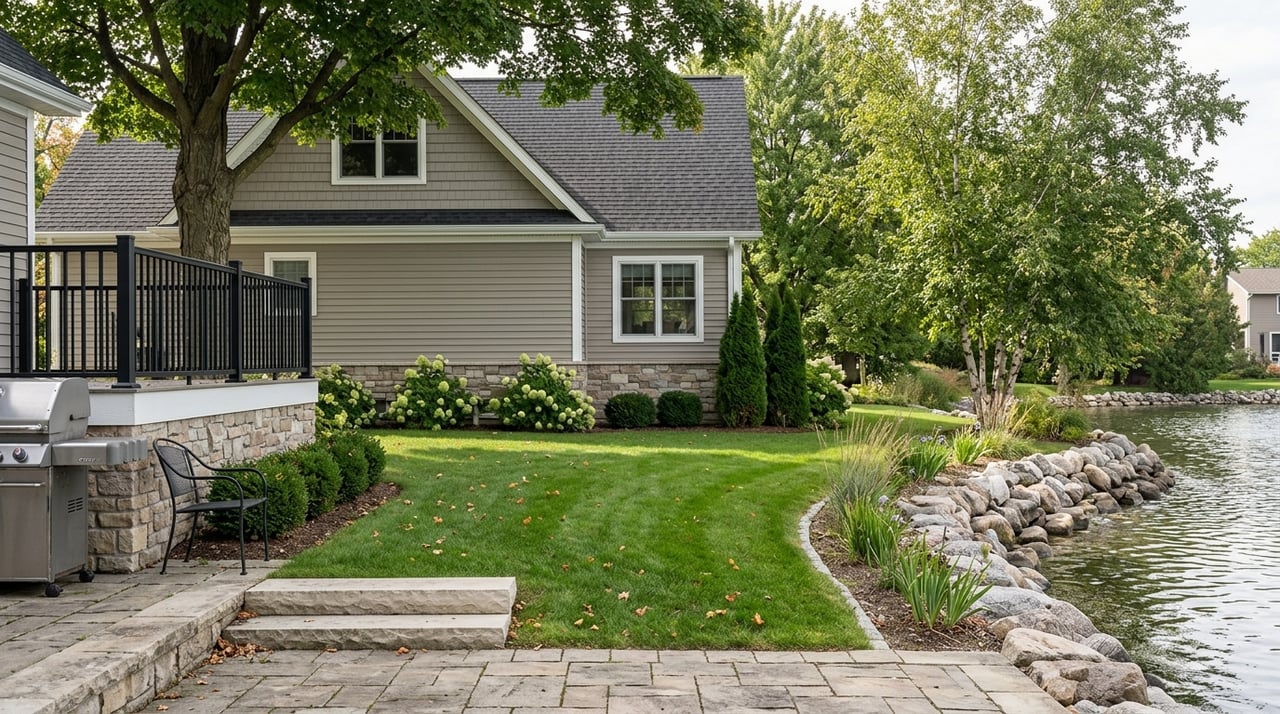
This limited public access is one reason private shoreline carries so much weight. If you want direct water access from home, you should pay close attention to what a property actually allows at the shoreline, not just what the listing photos suggest.
Private shoreline comes with rules
For many buyers, this is where Minnetrista lakeshore living becomes more detailed than expected. On Lake Minnetonka, docks, lifts, and stored boats must fit within an authorized Dock Use Area. That area is determined by setbacks from side property lines and by how far a setup extends into the lake.
There can also be added layers that affect what you can do at the water’s edge. Easements, shared docks, homeowner associations, common land, and variances may all change the way a property functions. If lake access runs through an easement, the easement language matters because shared riparian rights can affect dock and storage allowances.
For single-family properties, annual permits or licenses are generally not required. Still, licenses or permits may be needed for permanent docks, low-water dock extensions, or storing five or more watercraft. That is why it is so important to evaluate shoreline rights early, not after you have fallen in love with a view.
The lot often matters as much as the house
In Minnetrista, the shape and features of the parcel can be just as important as square footage or finishes. Because the area blends lakeshore, rural, and suburban land uses, there is no single “Minnetrista lake house” style. The bigger question is often how the lot functions and what the site allows.
Local code places added lakeshore-yard and accessory-structure limits on waterfront parcels. The Minnesota shoreland framework also regulates lot area and width, structure setbacks, septic setbacks, and shore impact zones. In other words, a beautiful house on the wrong parcel may not work the way you hope.
That is especially true if you are thinking ahead. Maybe you want to update a dock setup, add an accessory structure, improve outdoor living space, or simply understand long-term flexibility. In Minnetrista, those questions are part of the buying conversation from day one.
Summer is lively on the water
If you love an active lake environment, summer on Lake Minnetonka delivers that. The lake sees heavy recreation, and popular periods can bring substantial boat traffic and crowded ramps. In response to concerns about wakes affecting shoreline, private property, and docks, the LMCD adopted a 300-foot slow/no-wake buffer from shore and around docks and other structures.
That rule helps shape the feel of shoreline living. You still get the energy of a busy lake, but you also need to understand how boating patterns, wake rules, and shoreline activity affect your day-to-day experience. Some buyers want that lively summer setting, while others may prefer a quieter pocket or a different bay.
Timing also matters. Weekday mornings and shoulder seasons often feel calmer than peak summer weekends. If you are serious about buying in Minnetrista, it helps to see the area at different times rather than relying on one showing or one sunny Saturday.
Winter is part of the lifestyle
In Minnetrista, lake living does not end when summer does. Winter is a real season of use, planning, and responsibility. The shoreline and lake environment change in ways that affect access, recreation, and maintenance.
LMCD winter rules say access must be through a designated public access or your own property unless written permission is given. The shore zone within 150 feet of shore is reserved for non-motorized uses such as walking, snowshoeing, skating, cross-country skiing, and fishing. Ice houses must be removed by midnight on the first Monday in March.
It is also important to keep expectations grounded around ice. The Minnesota DNR does not measure ice thickness on Minnesota lakes, so ice should never be treated as fully safe. If you are new to lakeshore ownership, winter awareness is just as important as summer excitement.
Water levels and maintenance are ongoing
Another reality of lakeshore ownership is that conditions change. Lake Minnetonka’s ordinary high water level is 929.4 feet, and water levels fluctuate seasonally and from year to year. Those changes can affect dock placement, water depth, and how a property functions across the season.
LMCD notes that docks may need to be removed or relocated for winter or low-water conditions. Sediment buildup and shoreline conditions are also part of the long-term picture. That makes lakeshore ownership feel less like a one-time setup and more like an ongoing relationship with the water.
This is one reason buyers benefit from a practical, not just emotional, approach. A great property should fit your vision, but it should also match the level of maintenance and stewardship you are ready to take on.
Stewardship is part of living here
Minnetrista lakeshore living comes with a shared responsibility to care for the water. LMCD encourages shoreline buffers, phosphorus-free fertilizer, careful fuel handling, boat cleaning and drying, and close attention to aquatic invasive species. For shoreline, wetland, or stormwater projects, residents are advised to contact the city or the Minnehaha Creek Watershed District before moving forward.
That may sound technical, but it reflects something important about the community. Living on the lake is not only about recreation or views. It is also about understanding how your property connects to a larger water system.
For many buyers, that stewardship mindset is part of the appeal. Minnetrista offers space, shoreline, and a strong sense of place, but it also asks you to be thoughtful about how you live with the land and water around you.
What buyers should focus on first
If you are exploring lakeshore living in Minnetrista, a few questions can help you narrow the search:
- Do you want direct private shoreline or near-lake access?
- How important is dock flexibility for your lifestyle?
- Would you prefer a busier summer bay or a more tucked-away setting?
- Are you comfortable with seasonal dock and shoreline maintenance?
- Does the parcel support your long-term plans for the property?
- If access is shared or through an easement, what do the documents actually allow?
These are not small details. In Minnetrista, they are often the details that define whether a property is a great fit.
The real picture of lakeshore living
The most honest way to describe lakeshore living in Minnetrista is this: it is beautiful, rewarding, and highly specific. You get the draw of Lake Minnetonka, but with a setting that feels more spacious, more rural, and more varied than many people expect. At the same time, you need to understand access, parcel constraints, shoreline rules, seasonal changes, and the responsibilities that come with owning on or near the water.
That is exactly why local guidance matters. When you look beyond the view and evaluate how a property truly lives in every season, you are much more likely to make a decision you feel good about for years to come.
If you are thinking about buying or selling in Minnetrista, Ben Hahn can help you evaluate lakeshore properties with a practical local lens and a neighborhood-first approach.
FAQs
What makes Minnetrista lakeshore living different from other parts of Lake Minnetonka?
- Minnetrista blends lake access, rural land uses, open space, and emerging suburban development, so the experience often feels less dense and more parcel-specific than in other waterfront areas.
What should you know about public lake access in Minnetrista?
- Public access is limited, with launches at Lake Minnetonka Regional Park and Halstead Drive, so many people plan their lake use more intentionally than they might in other communities.
What should buyers ask about private shoreline in Minnetrista?
- You should ask about Dock Use Area limits, easements, shared riparian rights, dock allowances, and whether any licenses or permits may be needed for the way you plan to use the shoreline.
Why do Minnetrista lakeshore lots need extra review?
- Waterfront parcels may be affected by local lakeshore-yard rules, accessory-structure limits, and shoreland regulations covering setbacks, lot width, septic placement, and shore impact zones.
How busy is Lake Minnetonka near Minnetrista in summer?
- Summer can be very active, with heavy recreation, busy boating periods, and a 300-foot slow/no-wake buffer near shore and around docks and structures.
What does winter living on the lake look like in Minnetrista?
- Winter includes rules for lake access, non-motorized use near shore, and seasonal requirements like ice house removal, along with the need to treat ice conditions carefully.
How do water levels affect Minnetrista shoreline properties?
- Water levels change seasonally and from year to year, which can affect dock placement, water depth, and whether docks need to be removed or relocated for winter or low-water conditions.
What kind of help is useful when buying a lakeshore home in Minnetrista?
- It helps to work with an agent who understands local shoreline considerations, property differences from bay to bay, and how to evaluate both the home and the parcel together.