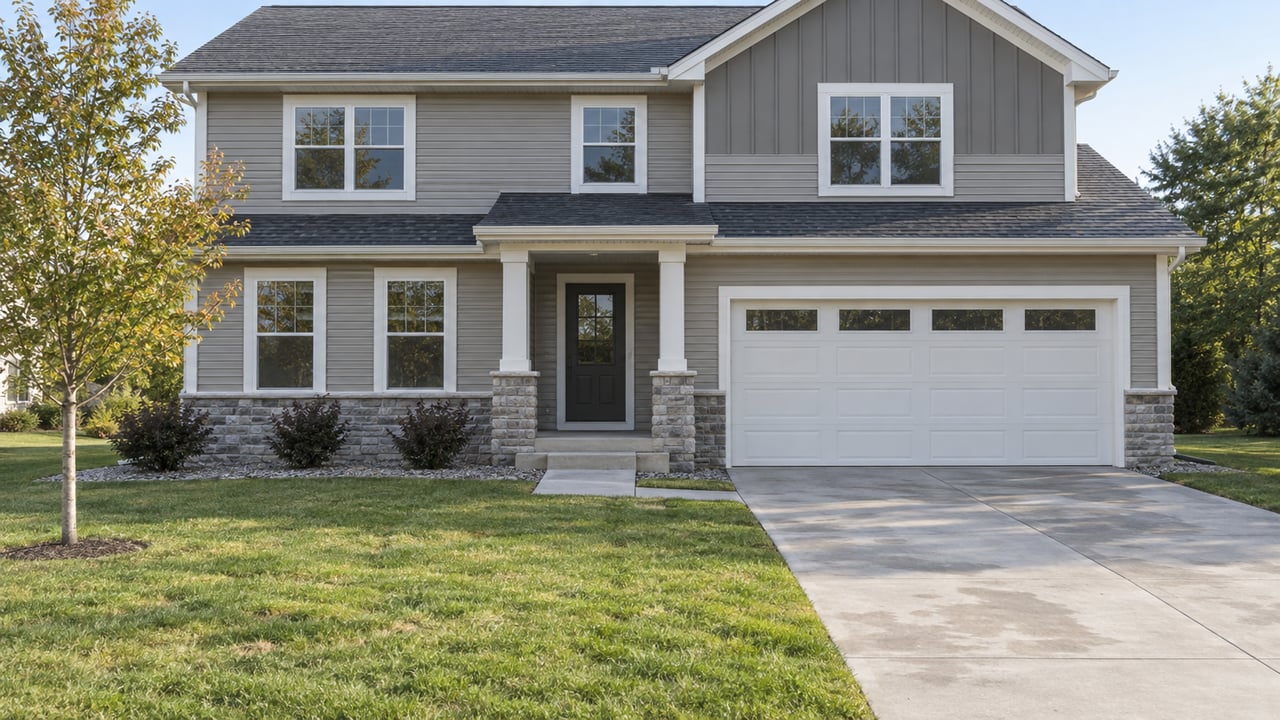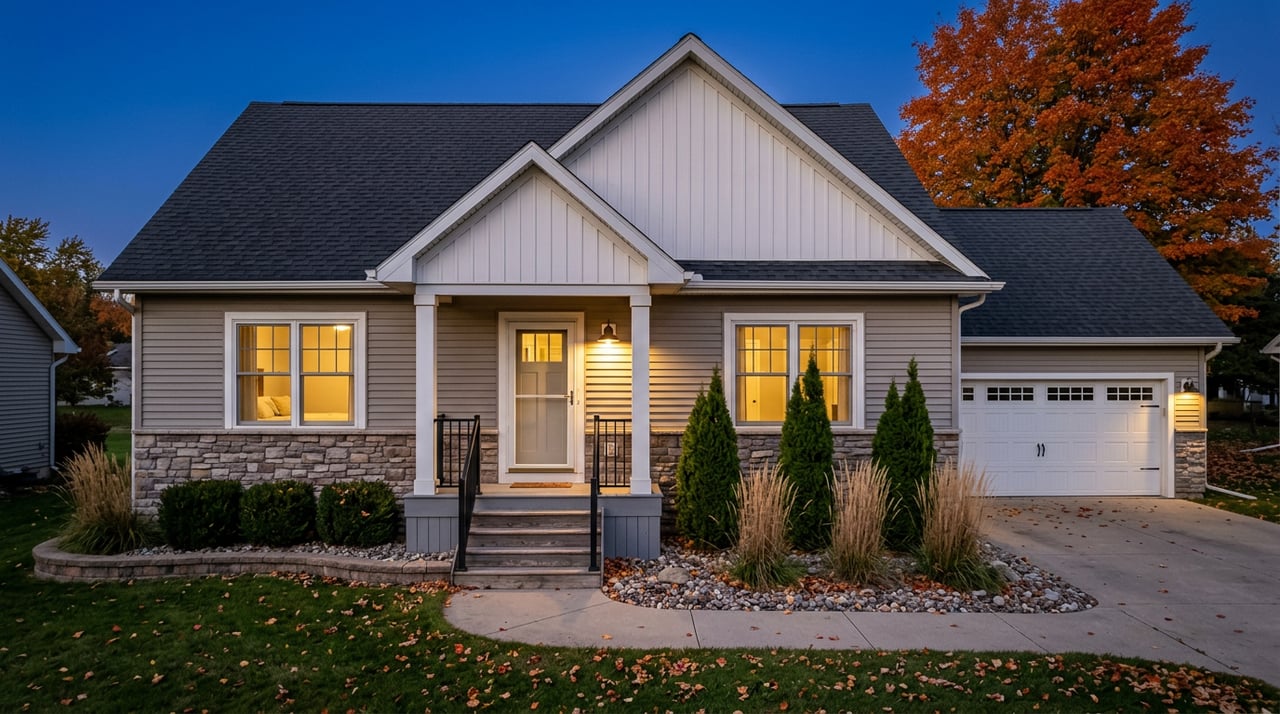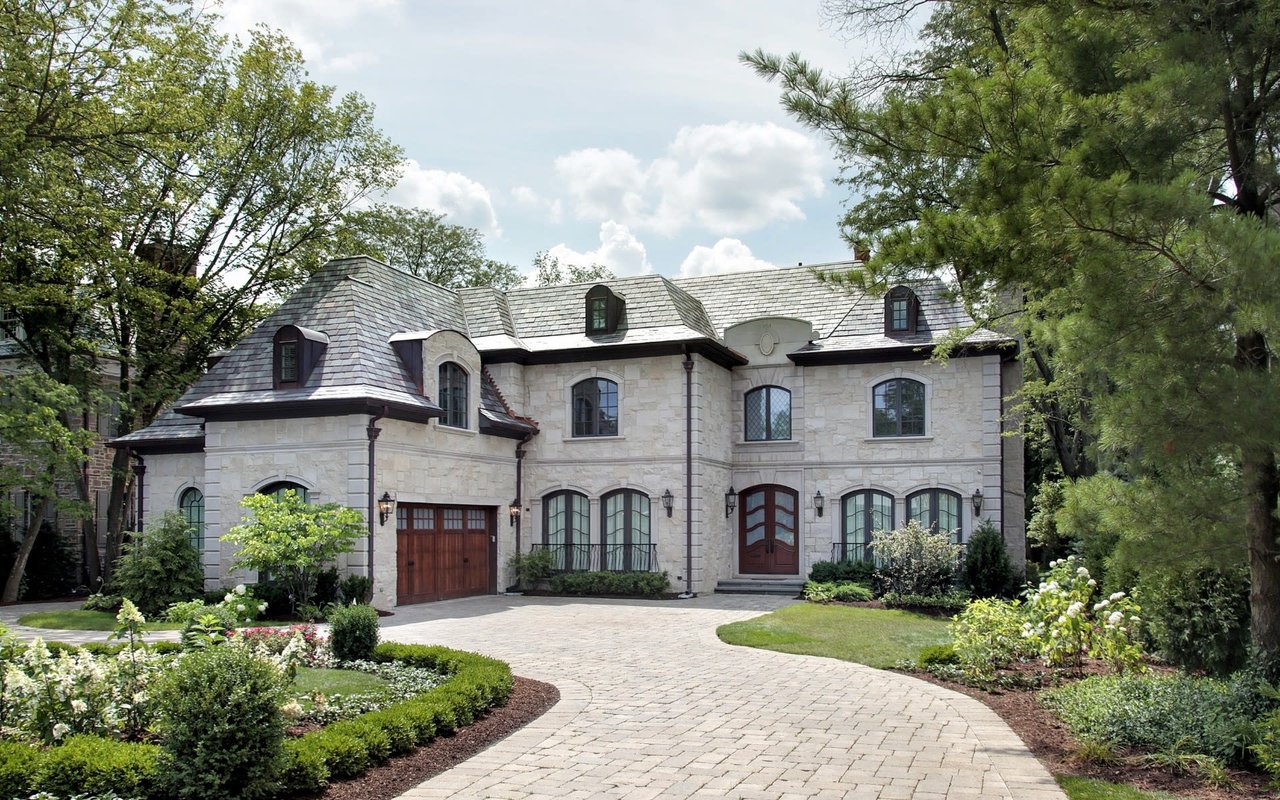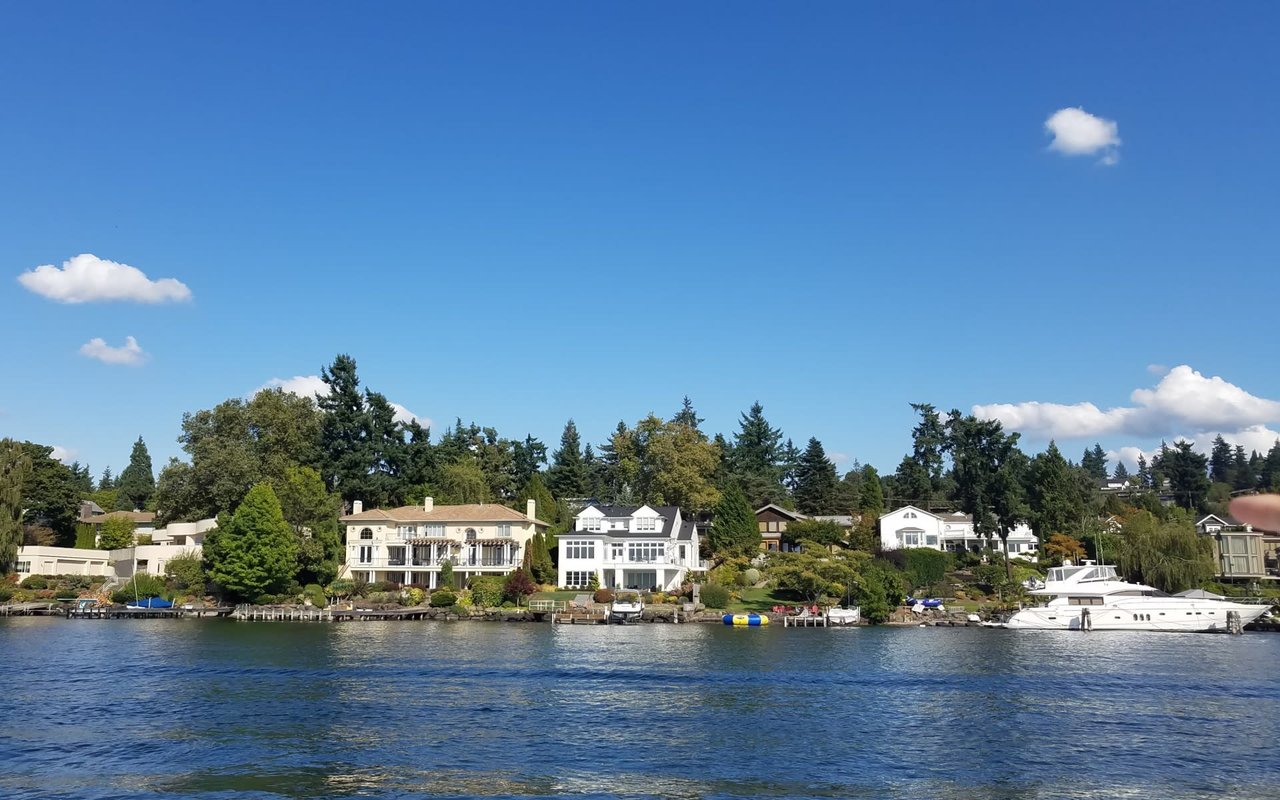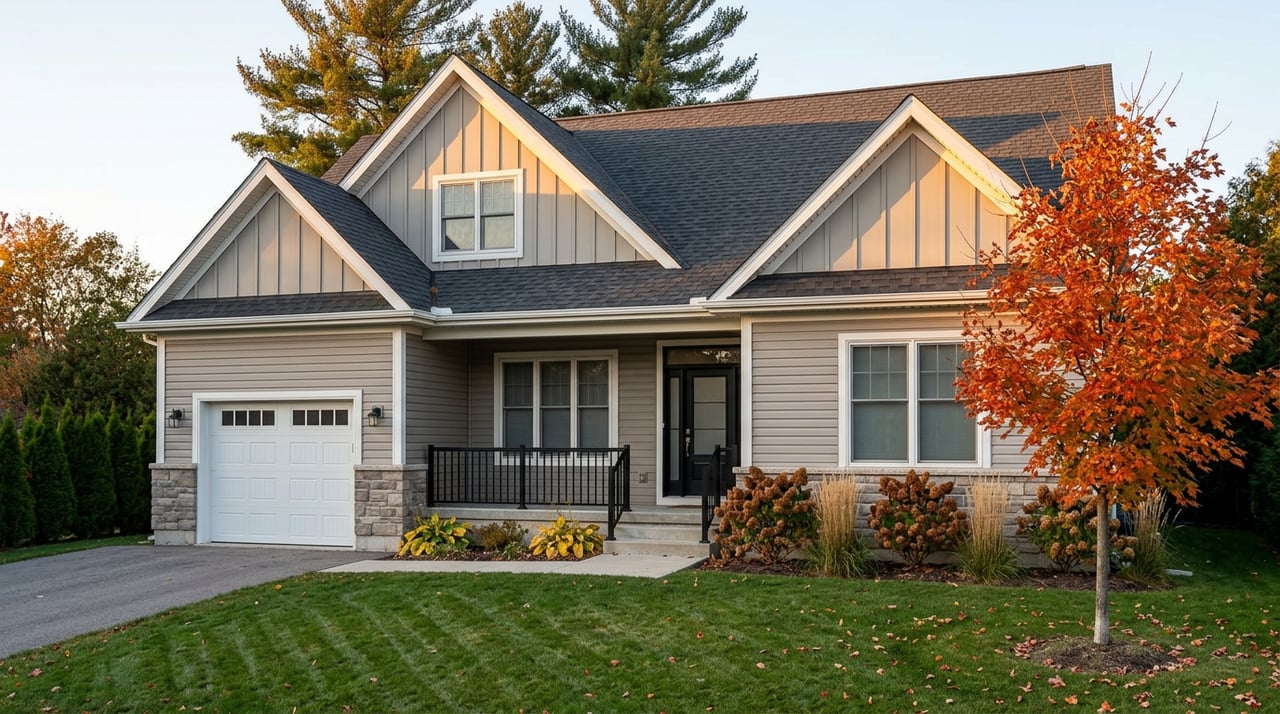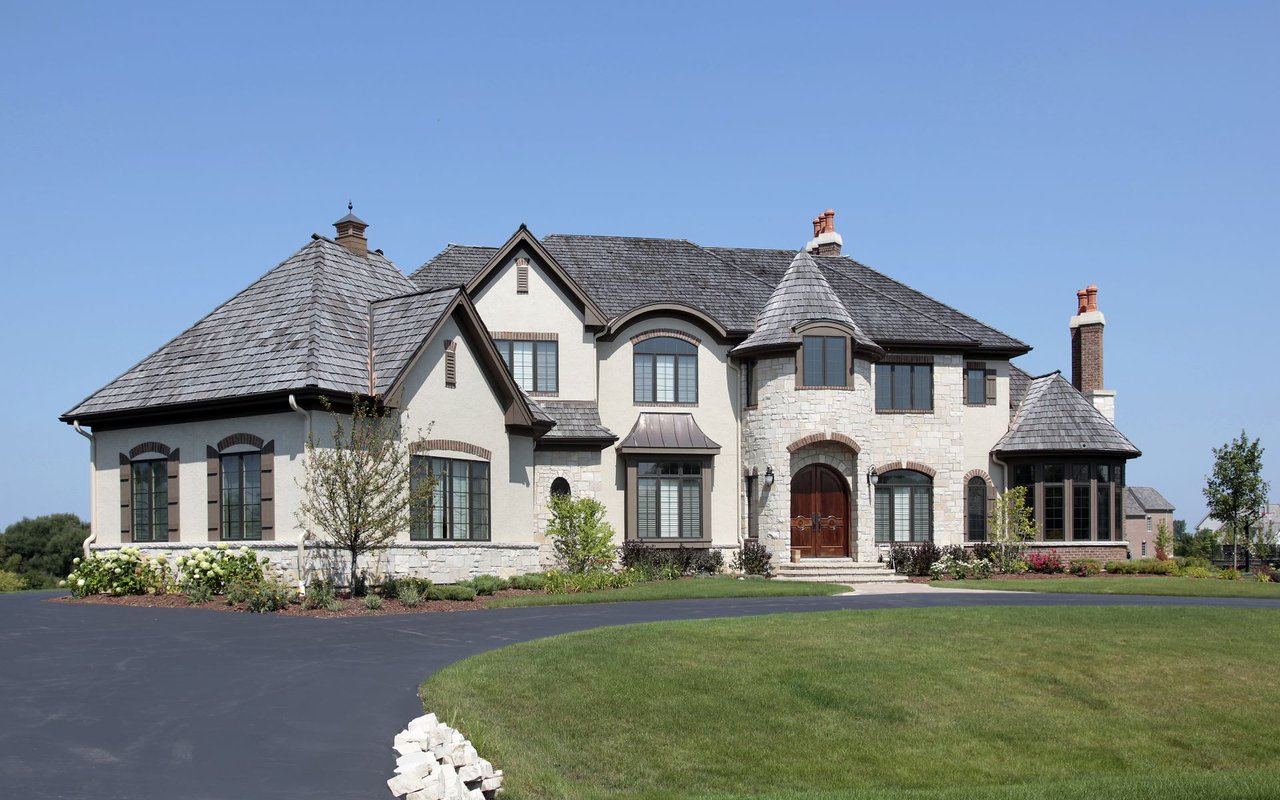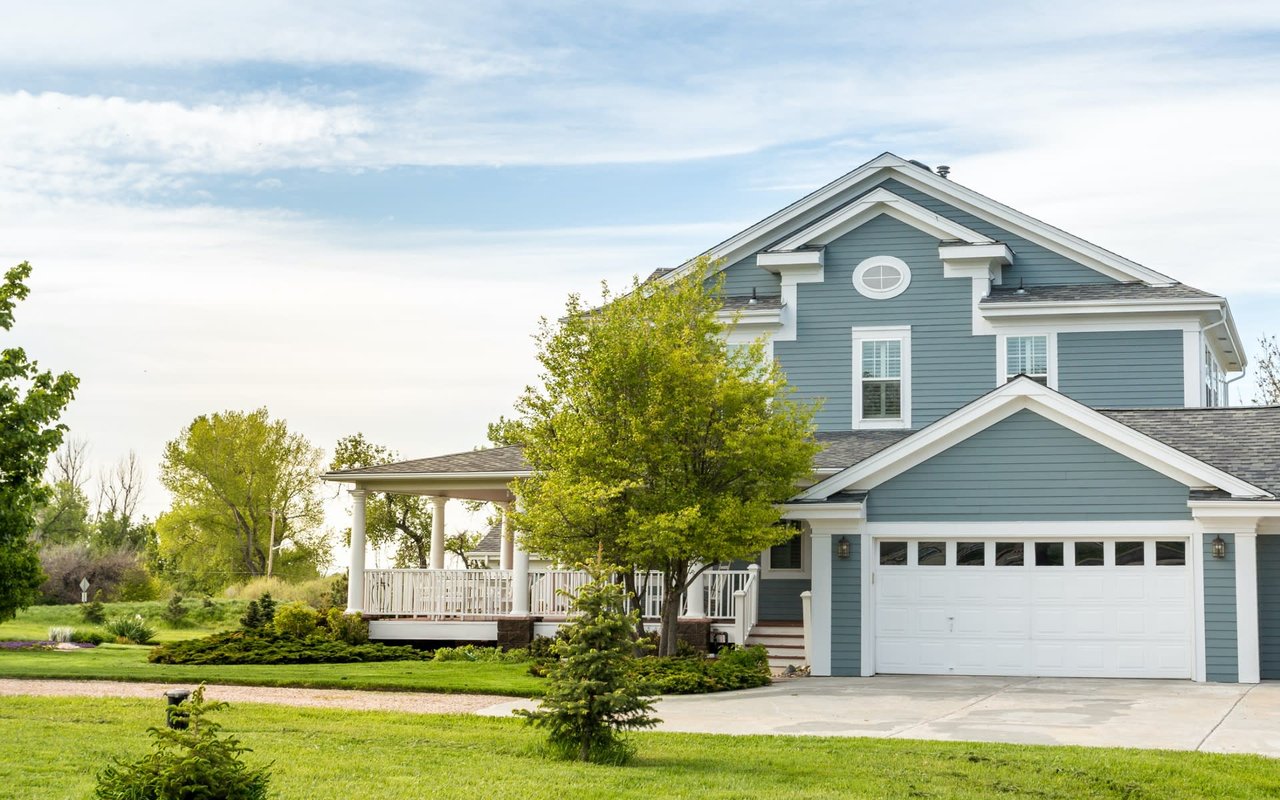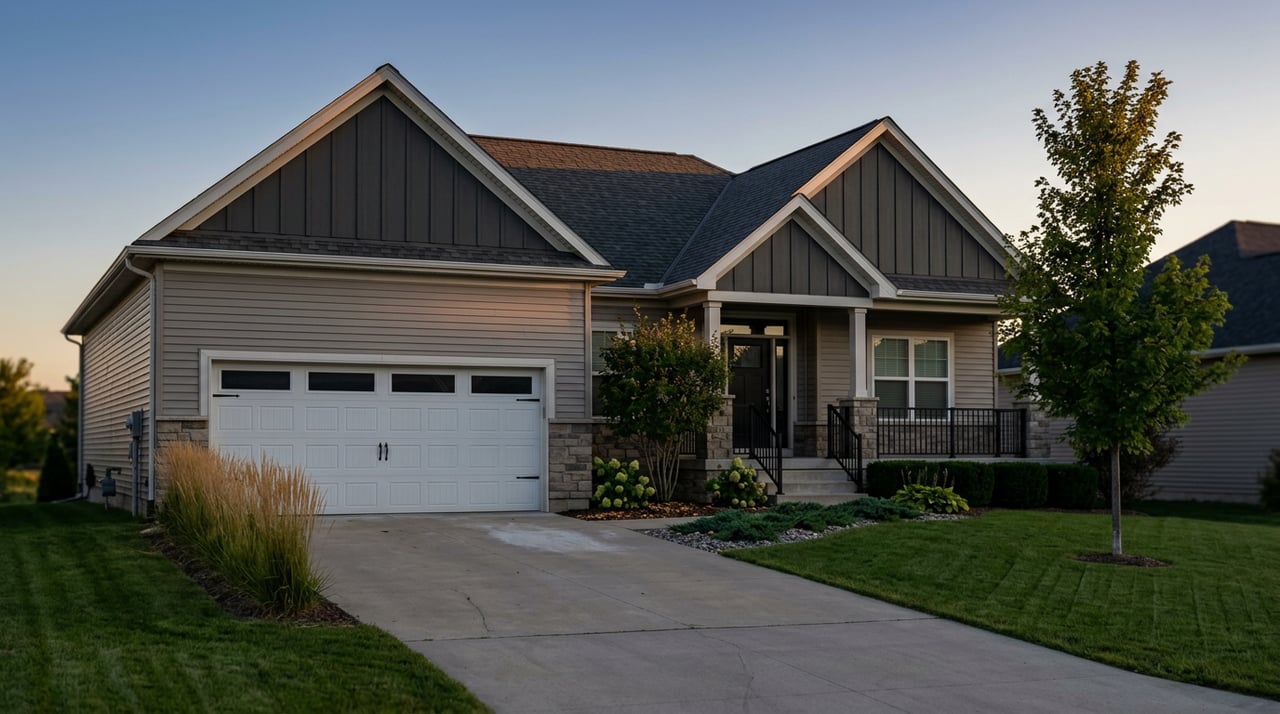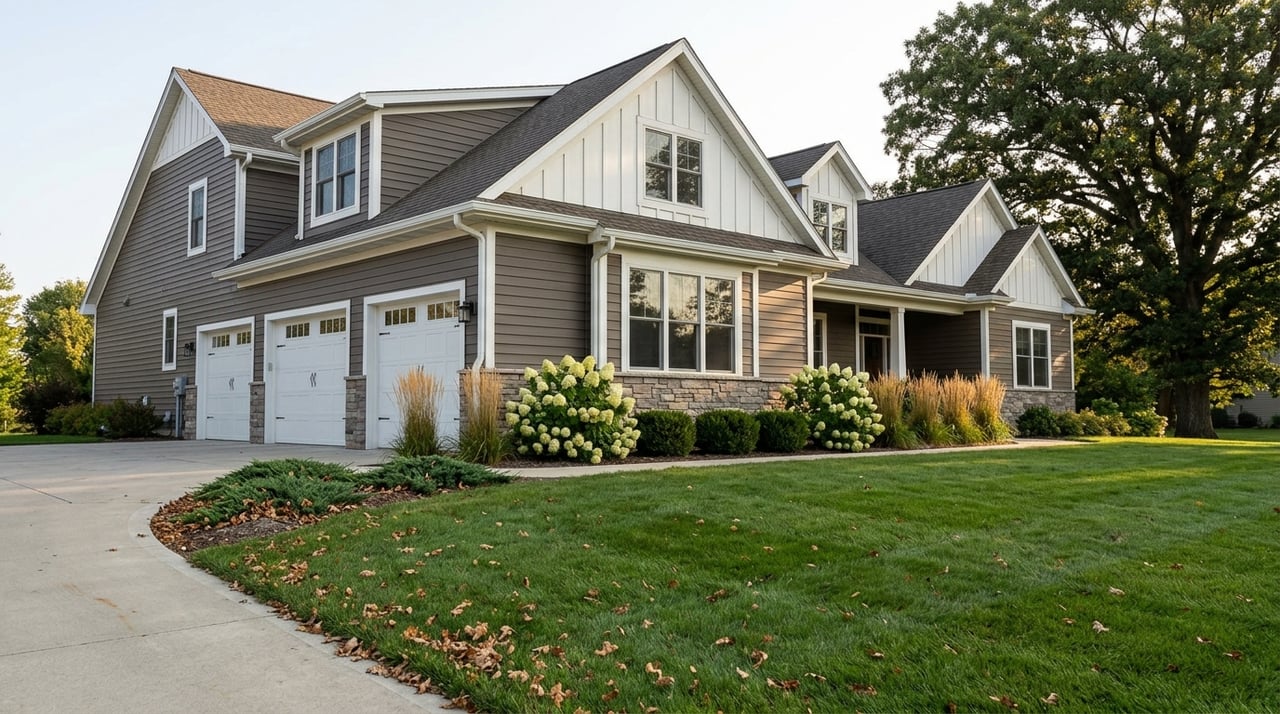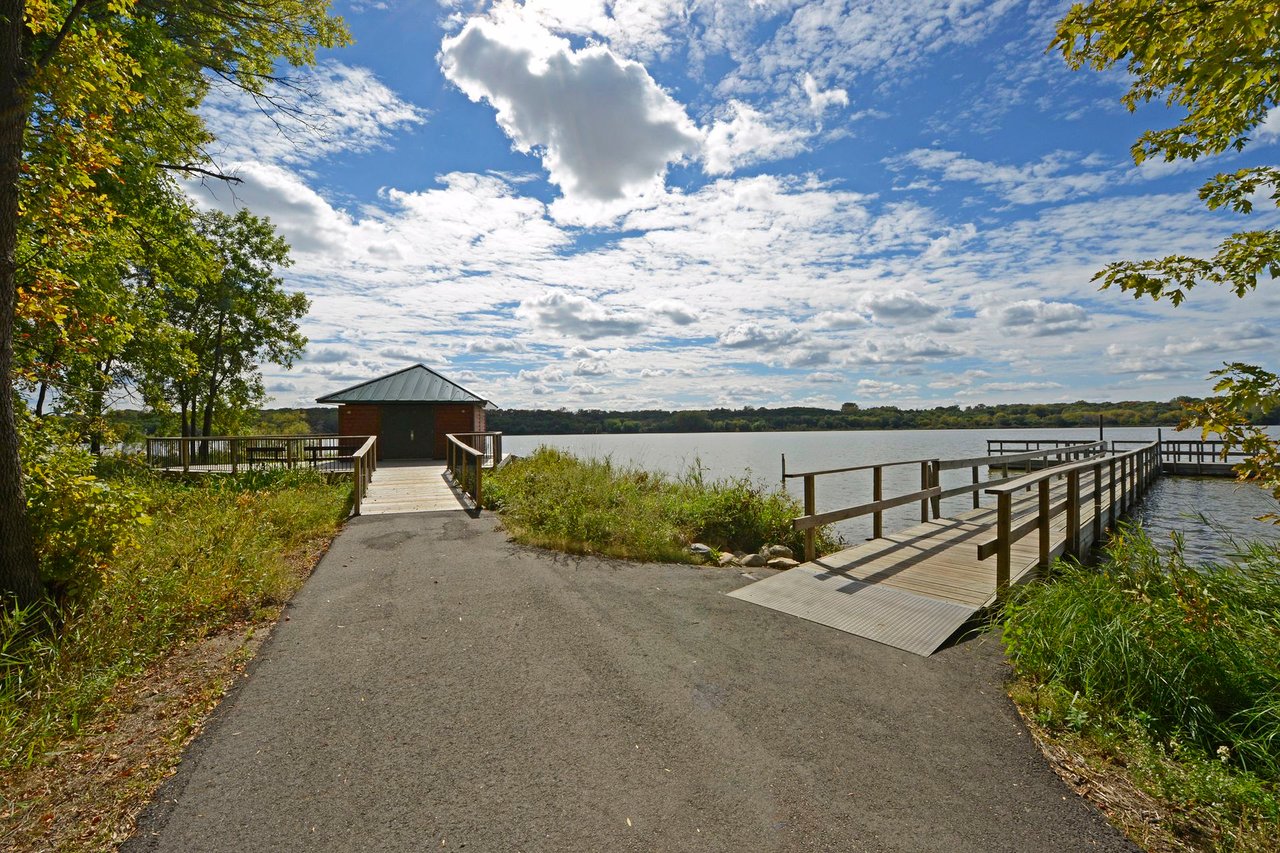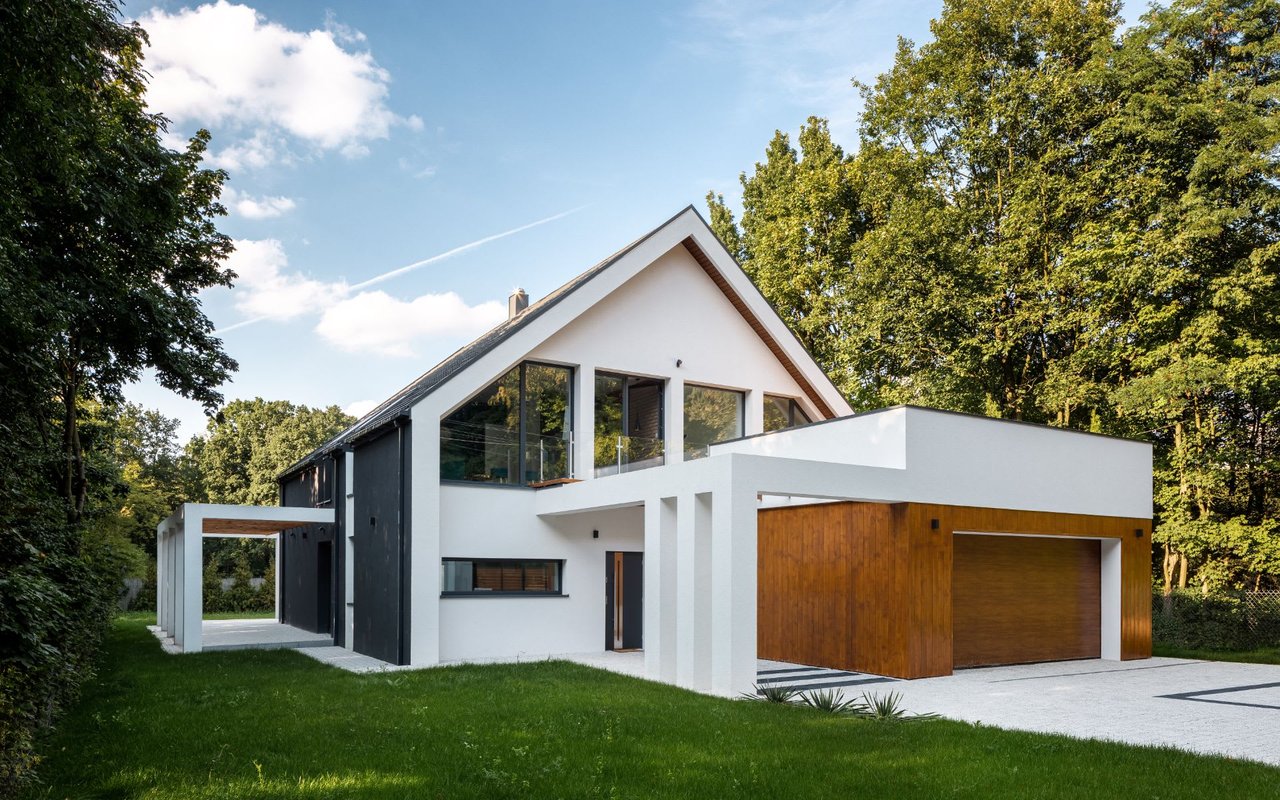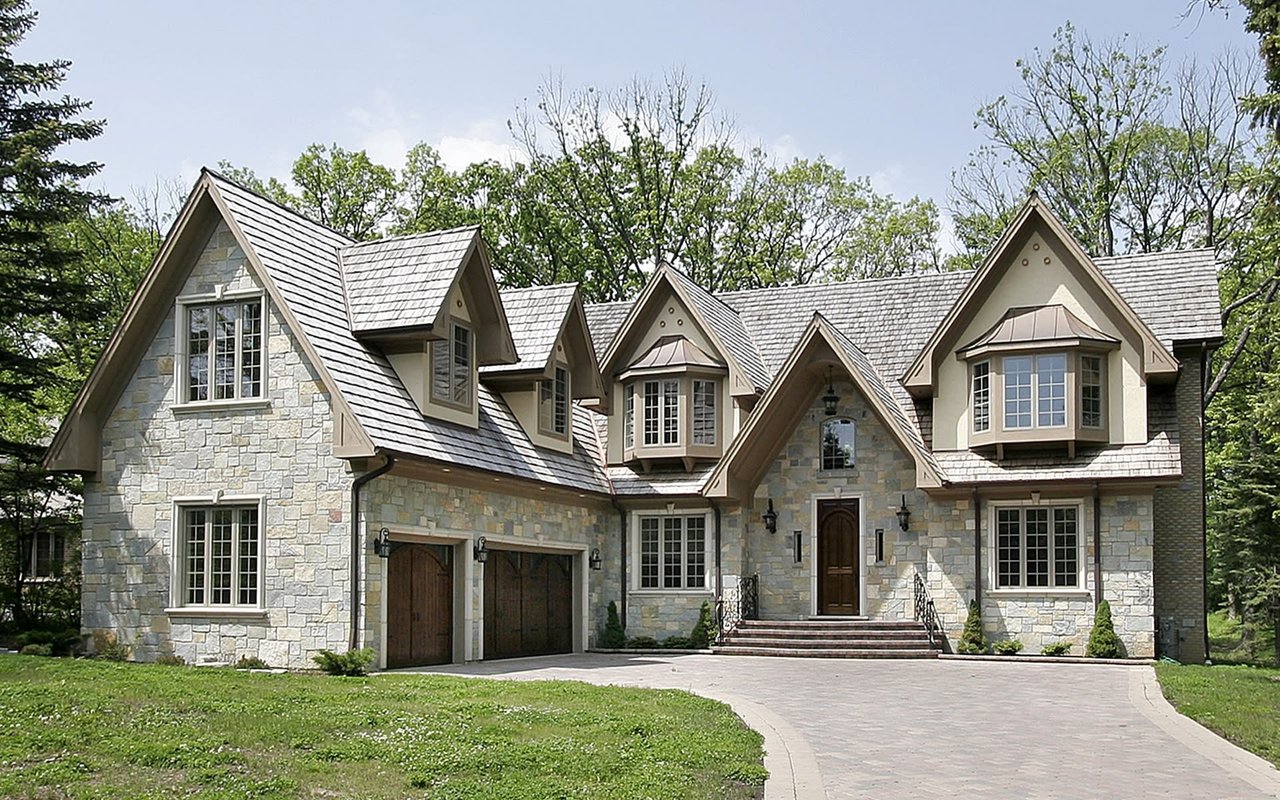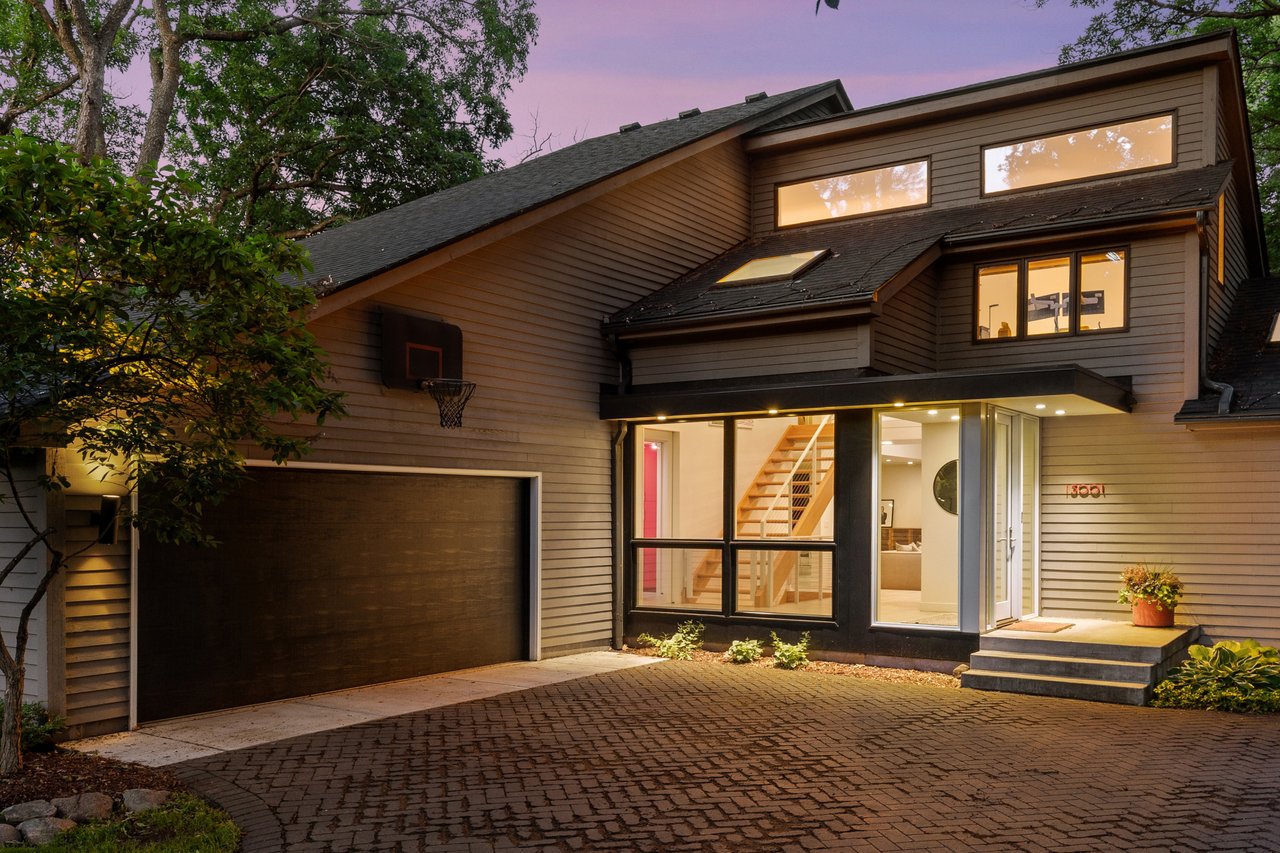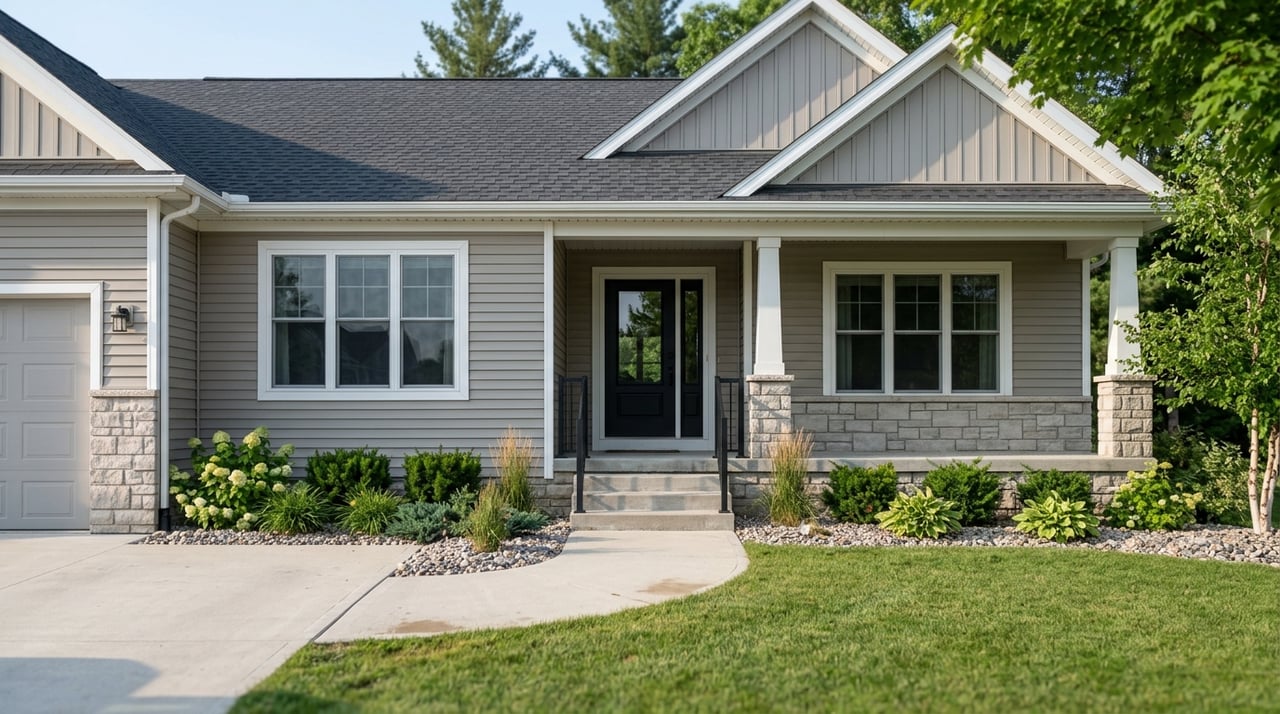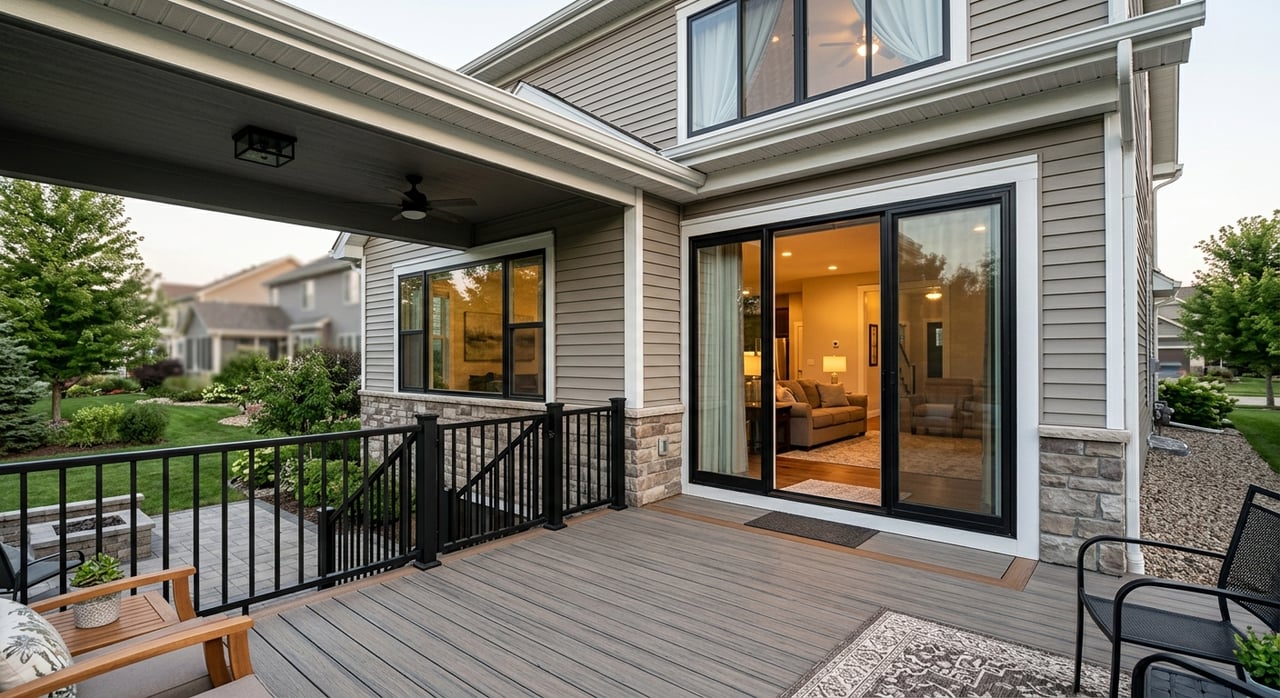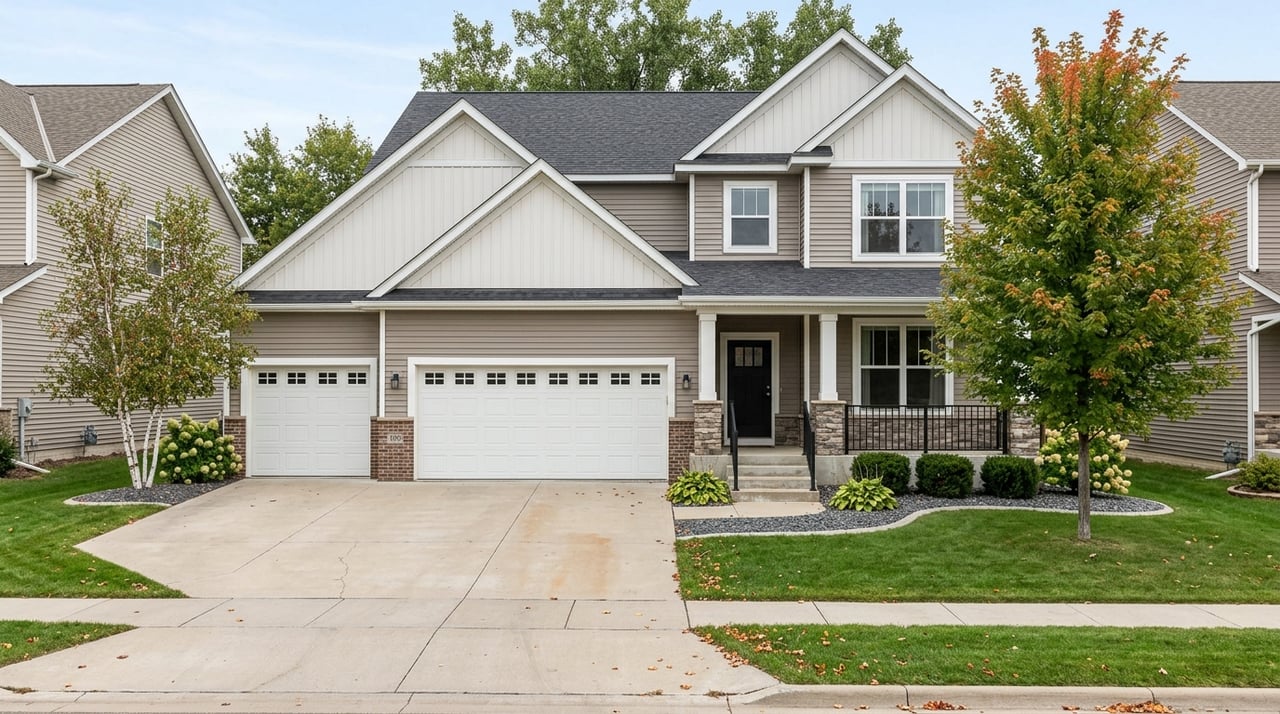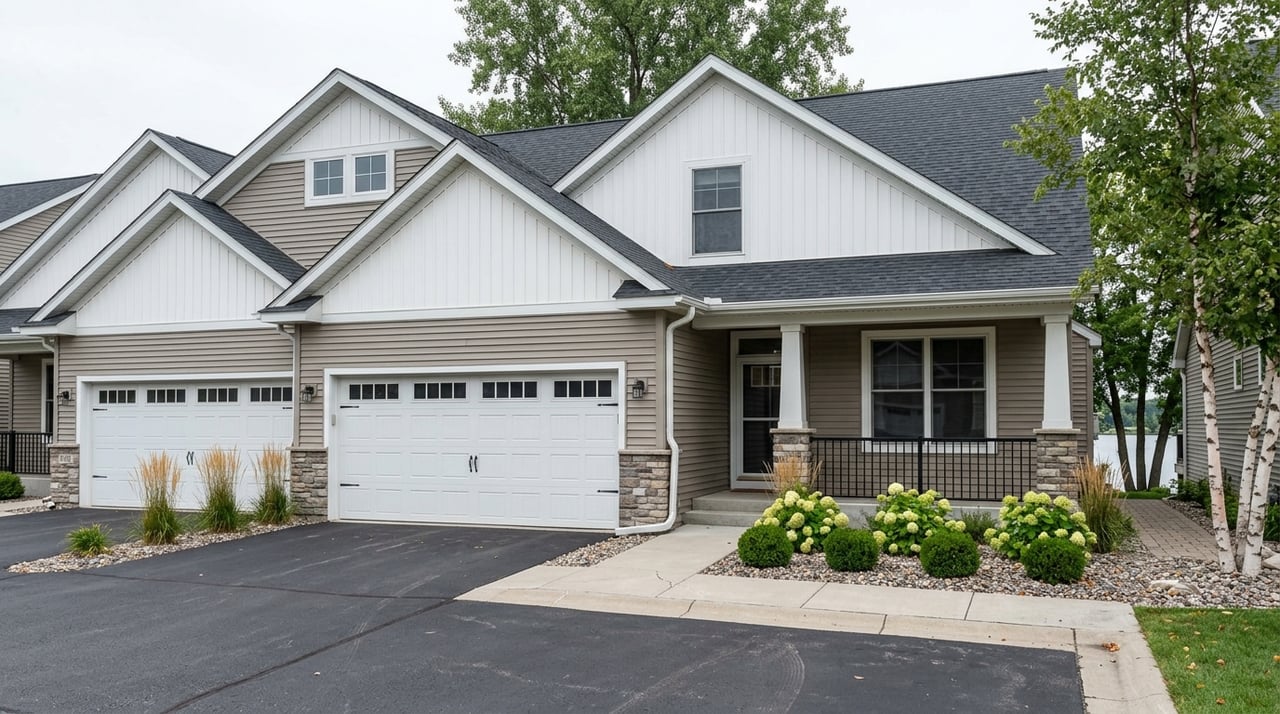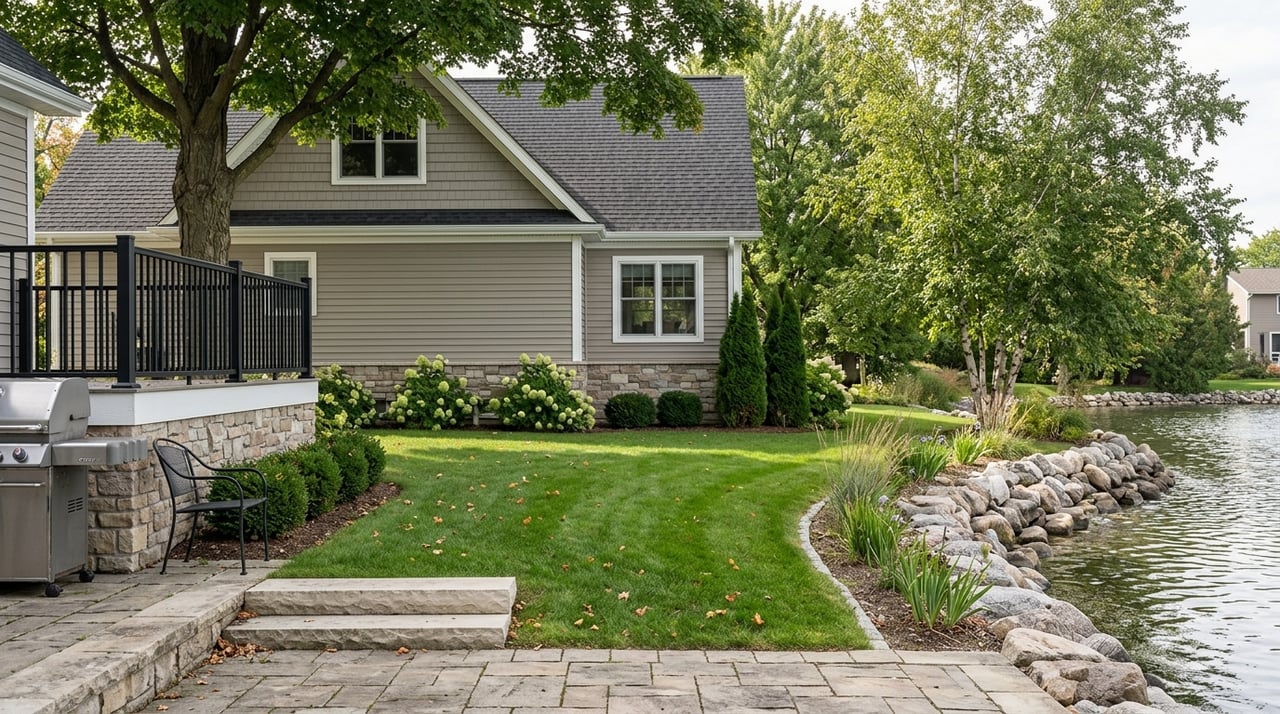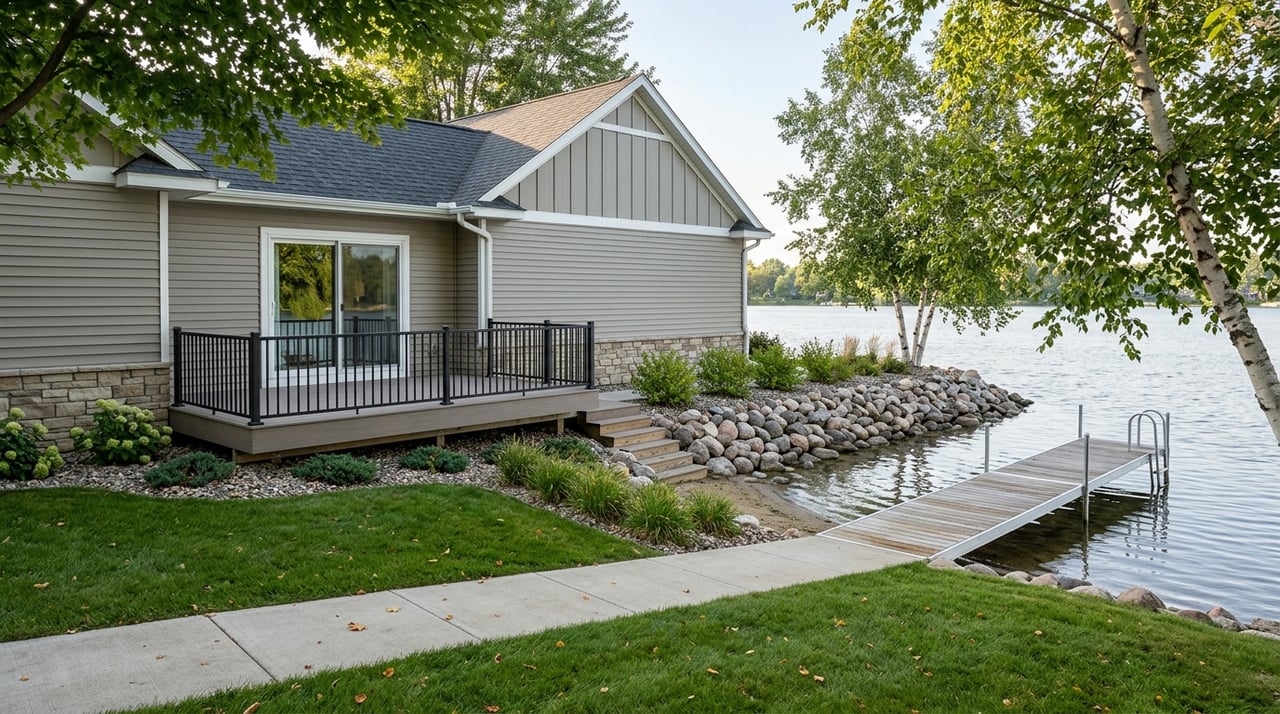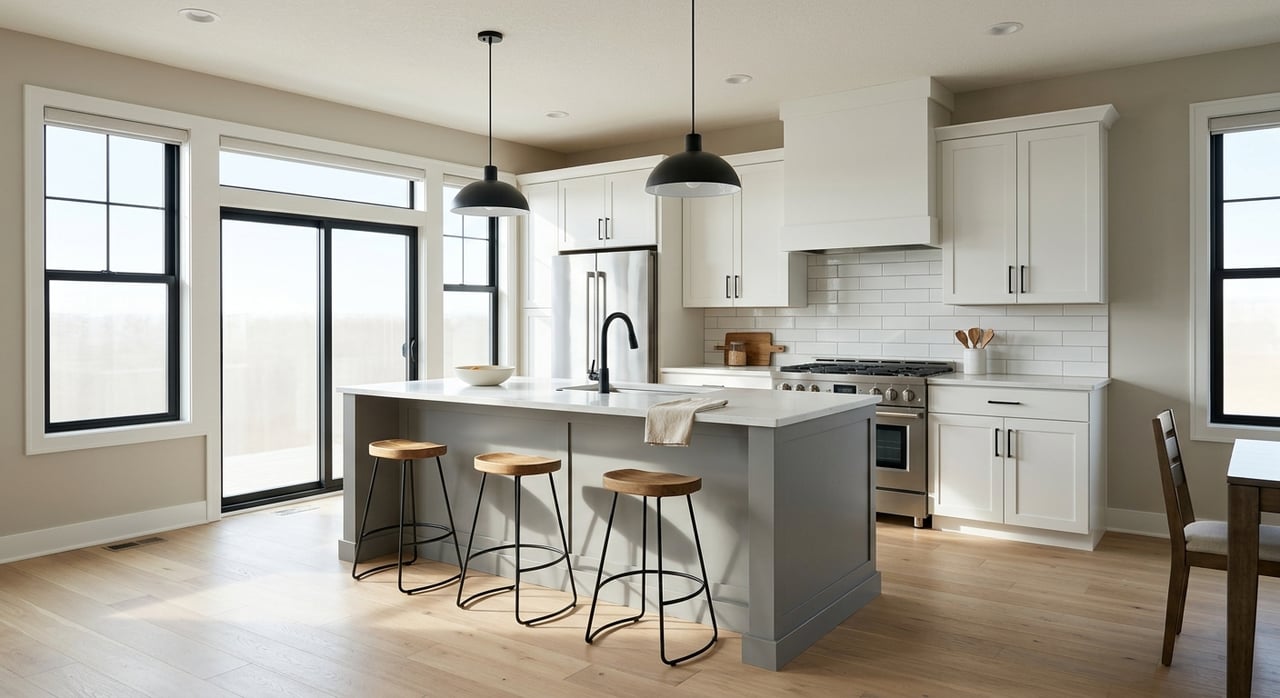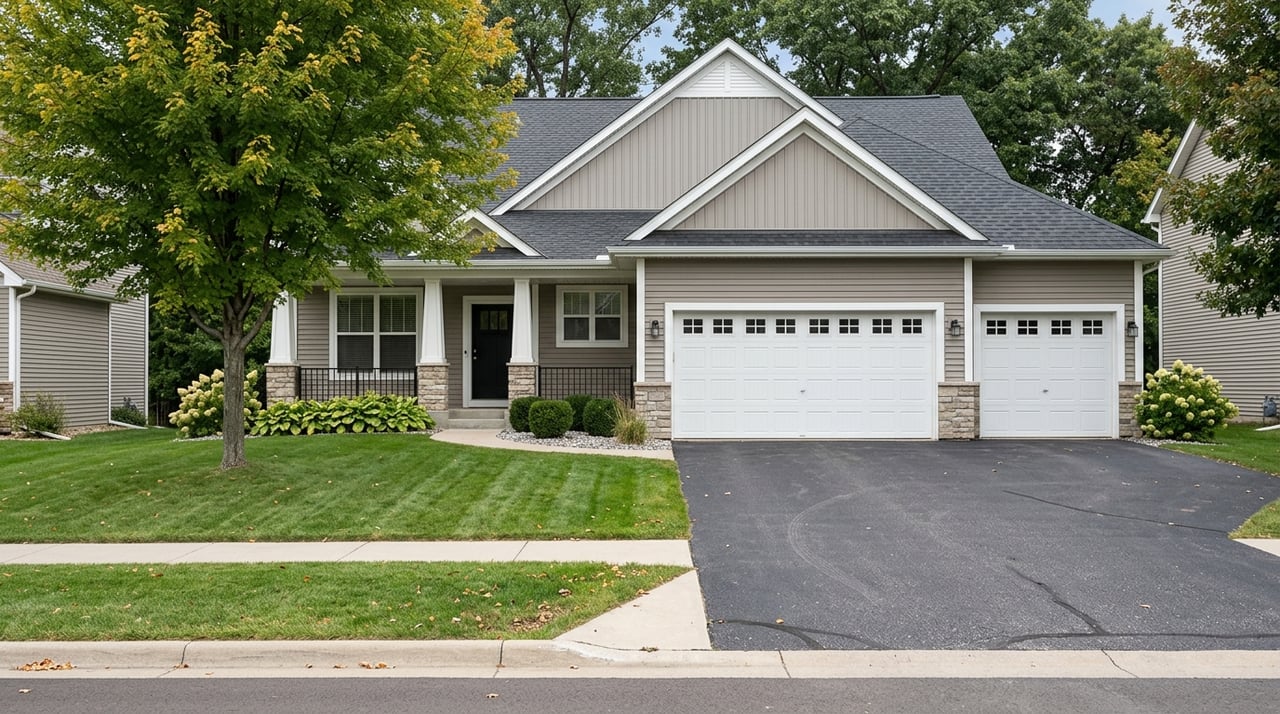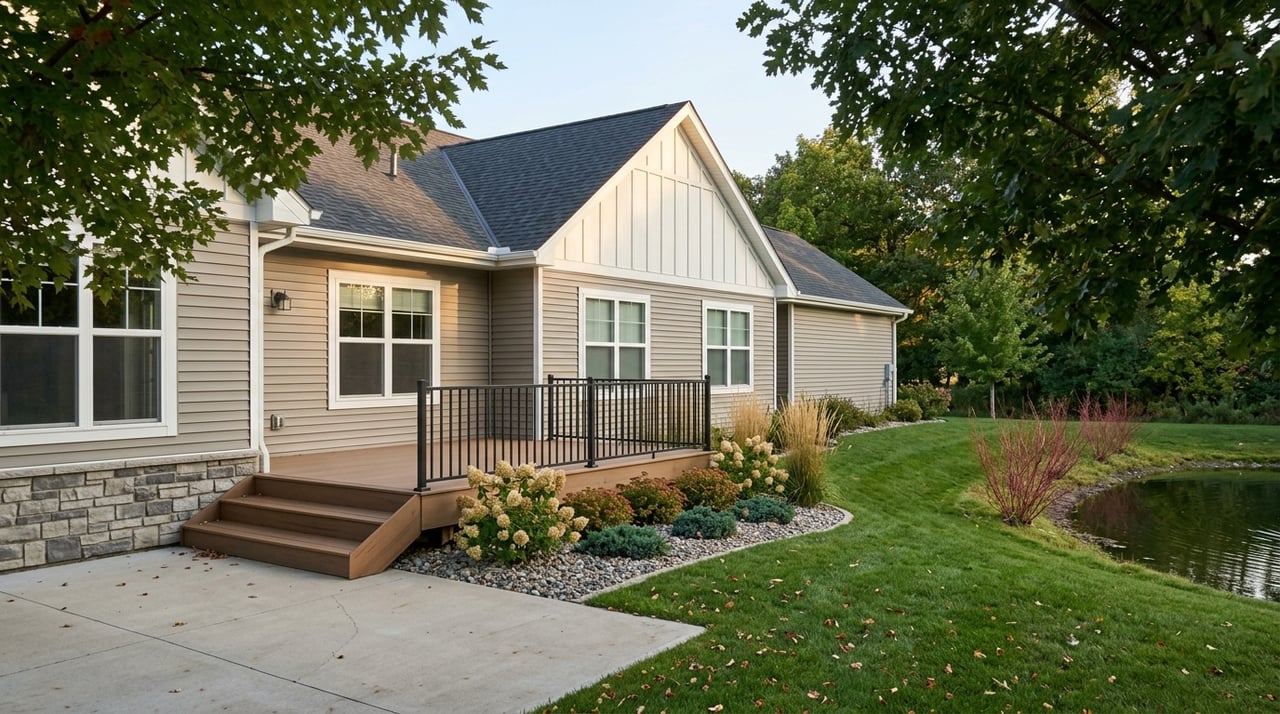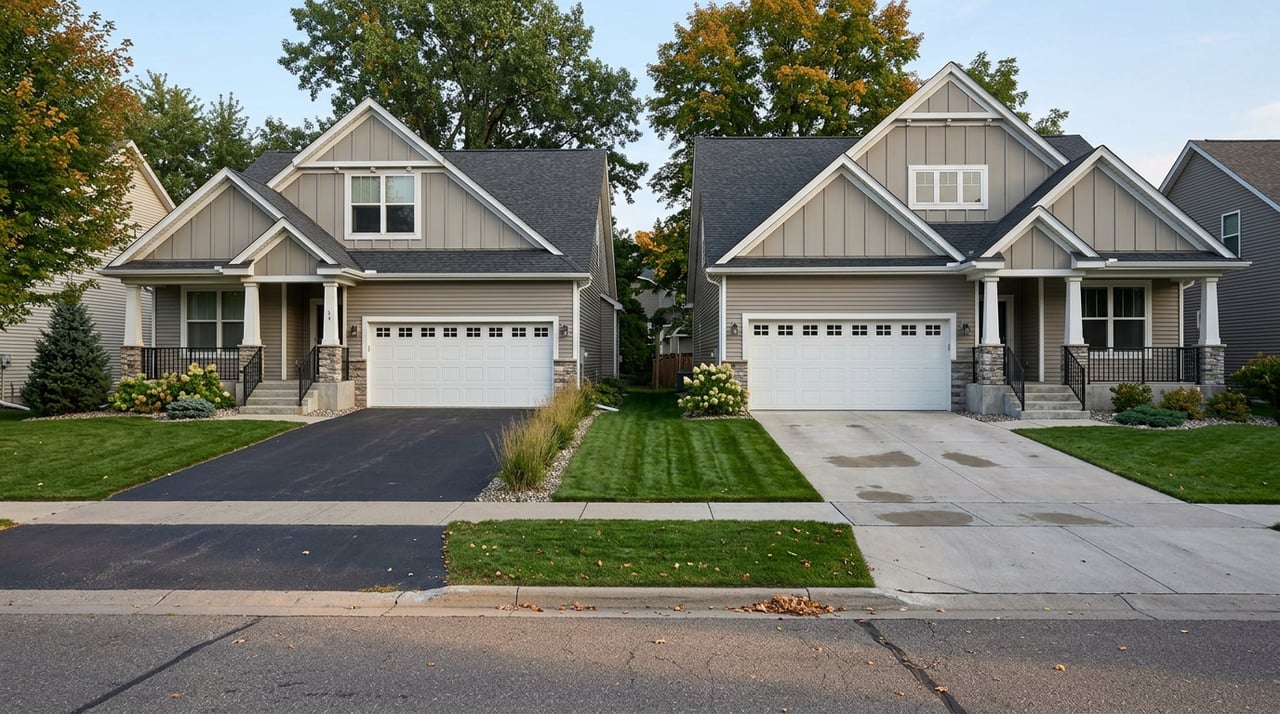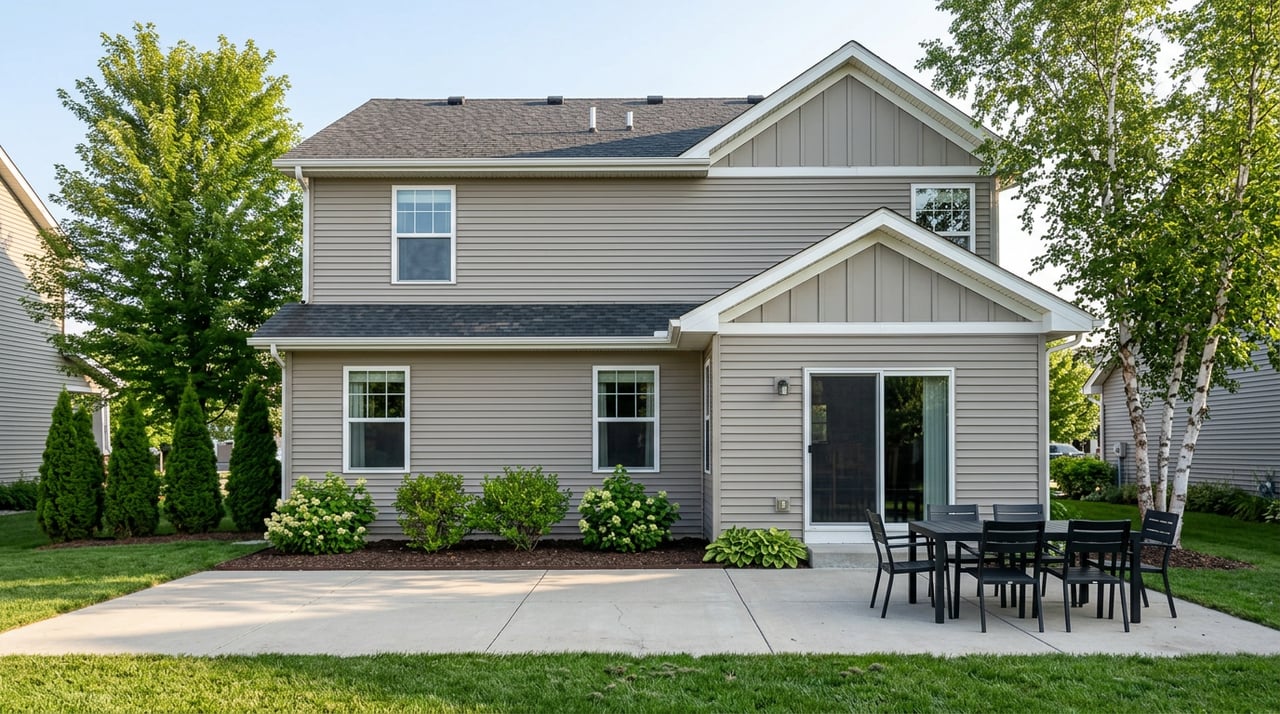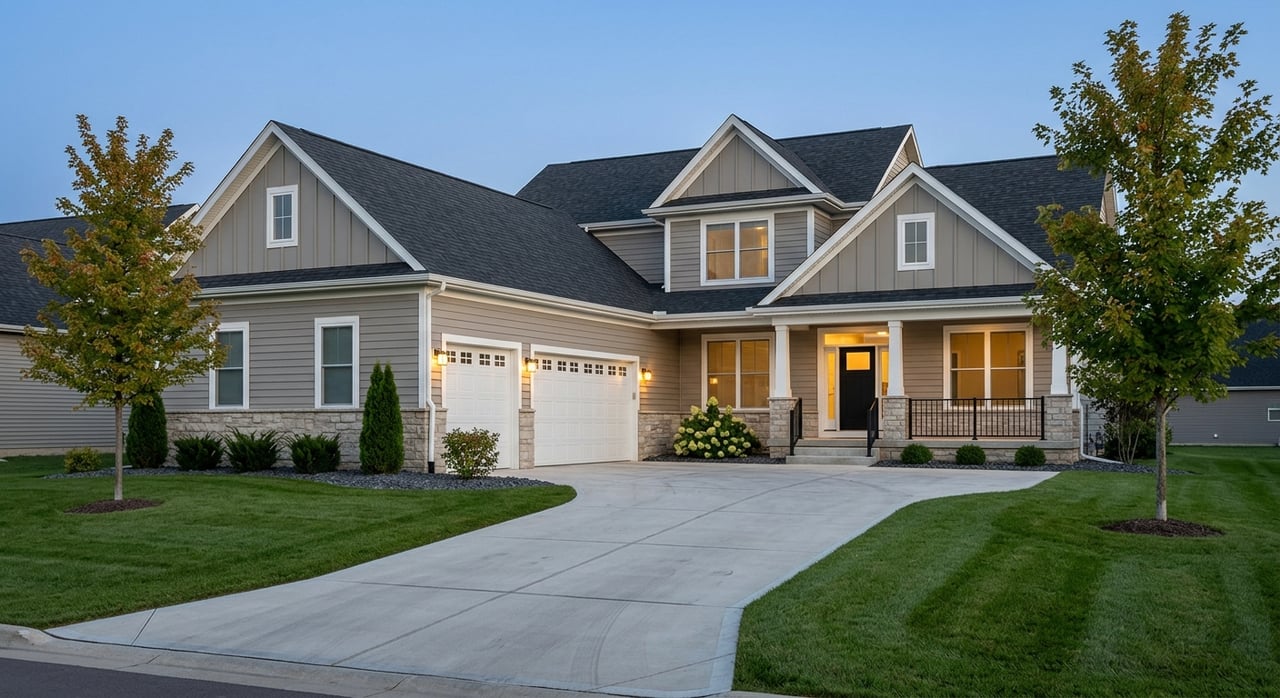
If you are dreaming about building a custom home in Minnetrista, the lot matters just as much as the house plan. In this market, a beautiful parcel can come with very different rules, utility setups, and approval paths depending on where it sits. This guide will help you understand what to look for, what to verify early, and how to budget more clearly before you commit. Let’s dive in.
Why Minnetrista feels different
Minnetrista is not a typical suburban infill market. The city describes itself as a rural community on the western bays of Lake Minnetonka in southwestern Hennepin County, with about 32 square miles and a strong focus on preserving rural character while managing growth.
For you as a buyer, that means lot selection is not just about price, views, or acreage. Zoning, shoreland controls, utilities, and road access can all shape what you can build and how long the process may take.
The city’s Community Development team handles zoning, land-use applications, site-plan review, and building-permit review. The Planning Commission also reviews development applications case by case, and the city notes that ordinances can change over time, so current code should always be verified with staff.
Start with zoning basics
Before you fall in love with a lot, it helps to understand the framework it likely falls under. In Minnetrista, the underlying zoning district sets the baseline for lot size, setbacks, density, and lot coverage.
R-1 lot standards
Recent city review materials show that the low-density single-family R-1 district requires:
- Minimum lot area of 14,500 square feet
- Minimum lot width of 90 feet
- Minimum lot depth of 120 feet
- Density range of 2 to 3 units per net acre
- Maximum impervious surface coverage of 35 percent
- Front-yard setback of 35 feet
These standards can affect everything from home placement to driveway design to how much hard surface you can add.
R-2 lot standards
For the low-medium-density single-family R-2 district, city materials cite:
- Minimum lot area of 11,000 square feet
- Minimum lot width of 75 feet
- Minimum lot depth of 100 feet
- Maximum net density of 3.5 units per acre
- Maximum lot coverage of 35 percent
- Front setback of 30 feet
- Side setback of 10 feet
- Rear setback of 25 feet
On paper, an R-2 lot may look easier to work with. In practice, you still need to review the site carefully because overlays, utilities, and access can add more conditions.
Shoreland lots need extra diligence
Lake proximity is one of Minnetrista’s biggest draws, but it can also be the biggest source of surprises. If a parcel is lake-adjacent, shoreland rules may be more restrictive than the base zoning.
Recent city materials say the Shoreland Overlay District requires 100 feet of width and 23,000 square feet of lot area. The same materials note that many proposed lots do not meet those standards and may need Planned Unit Development review.
Minnesota shoreland rules also regulate lot size, lot placement, and shoreline alterations to help protect water quality, allow room for sewage treatment systems, reduce flood risk, and support long-term property values. The rules state that lot width must be met at both the ordinary high water level and the building line, and sewer-based lot-area standards apply only if public sewer service is available.
Older shoreline parcels can be unique
Some older lots of record may still be buildable even if they are smaller than current standards. State rules allow certain substandard lots of record to be used as building sites without a lot-size variance if they were separately owned and still meet setback and sewage-treatment requirements.
That said, setback variances may still be needed. Minnetrista planning materials also show a required 75-foot lakeshore setback, and variances have been sought on older lake lots.
Utilities can change the whole budget
One of the biggest dividing lines in Minnetrista is utility service. The city says many residents do not have public sewer and water available, even though the city water system serves about 4,000 residents and businesses, and city infrastructure pages say 1,726 properties are on city water supply.
That mixed setup matters because two nearby lots can have very different costs and approval paths. One may be in a public-service area, while another may require private well and septic review.
What to verify before you buy
You will want to confirm:
- Whether public water is available
- Whether public sewer is available
- Whether a private well will be needed
- Whether septic review will be required
- Whether any trunk or connection fees apply
Hennepin County regulates most septic systems in Minnetrista. The city’s well and groundwater information also tells private-well owners to test water regularly and follow Minnesota Department of Health setback requirements.
Access is not automatic
Road frontage does not always mean simple driveway approval. Hennepin County is the road authority for county roads and issues driveway and entrance permits on those roads, while local roads are handled by the city or township.
The county’s access-management guidance emphasizes limiting driveway access points and maintaining safe traffic flow. If your lot fronts a county road, entrance location, design, and approval timing can all affect your project.
For many custom-home purchases, the practical workflow includes your agent, surveyor, architect, builder, city planner, building official, and sometimes Hennepin County. That is one reason why due diligence up front can save time and frustration later.
Build costs go beyond the lot price
A luxury lot price rarely tells the full story in Minnetrista. City fees, utility charges, consultant reviews, and site-prep needs can add up quickly, especially on more complex parcels.
Minnetrista’s fee schedule shows that building permits are valuation-based. The total fee includes a plan-check fee equal to 65 percent of the base permit fee plus a state surcharge, and the same schedule lists a $60 site inspection fee, a $60 re-inspection fee, and double permit fees for work started without the required permit.
Entitlement and review costs to expect
Depending on the parcel, buyers may also run into fees tied to:
- Subdivision review
- Planned Unit Development review
- Variances
- Wetlands review
- Shoreland excavation or fill review
- Engineering review
- Tree-preservation escrow
Examples in the city fee schedule include a structural variance fee of $300 plus an engineer review deposit, a wetlands variance fee of $300 plus an engineer review deposit, and shoreland excavation or fill review at $400 plus a deposit.
Infrastructure charges matter too
Infrastructure-related charges can be significant. The fee schedule lists:
- SAC of $2,485
- Trunk water charge of $13,000 per acre
- Trunk sewer charge of $2,400 per acre
- Sewer connection fees of $2,400 to $2,600 per unit plus a permit fee
- Tree-preservation escrow of $1,000 for applicable lots
- Engineer grading survey review of $300
- Park dedication fees that can reach up to $38,000 per unit where applicable
The city also says applicants may be billed for consultant and professional costs beyond the base fee. That is why a lower land price does not always mean a lower total project cost.
How lake proximity affects value
In Minnetrista, being near the water can influence both appeal and buildability. That combination matters because the value of a waterfront or near-water lot is shaped by more than distance alone.
Research cited in the report found that, in one lake study, the ability to build and use a dock carried a statistically significant premium of almost 45 percent compared with undockable properties. A University of Minnesota research project also found that Eurasian watermilfoil invasion was associated with nearly a $30,000, or 11 percent average, decrease in Minnesota lakefront property values.
For you, the takeaway is simple: frontage, dock rights, shoreline condition, and lake health can matter as much as the view. A lot that looks compelling online may need deeper review before you can judge its true value.
A smart buyer checklist for Minnetrista lots
If you are considering a luxury lot or new build opportunity in Minnetrista, this is a practical order of operations:
- Confirm the underlying zoning district.
- Check whether a shoreland overlay applies.
- Verify lot size, width, setbacks, and lot coverage limits.
- Confirm public water and sewer availability versus private well and septic needs.
- Review road frontage and whether county driveway approval is required.
- Price likely city fees, utility charges, and consultant costs.
- Verify current code and application requirements with city staff before removing contingencies.
This step-by-step approach helps you compare lots based on real buildability, not just marketing language or acreage.
Why local guidance matters
Minnetrista offers space, privacy, and standout custom-home opportunities, but it also asks buyers to be precise. A lot that seems perfect can quickly become more expensive or more limited if zoning, utilities, shoreland review, or access are not checked early.
That is where experienced, local guidance can make a real difference. When you understand the approval path before you buy, you can move forward with more confidence and a better plan.
If you want help comparing luxury lots, evaluating a new-build opportunity, or understanding how Minnetrista’s rules may affect your plans, reach out to Ben Hahn for a thoughtful, local-first conversation.
FAQs
What should you verify first on a Minnetrista luxury lot?
- Start by confirming the zoning district and whether the lot is subject to shoreland overlay rules, since those standards can directly affect lot size, setbacks, and the approval path.
How do shoreland rules affect new builds in Minnetrista?
- Shoreland rules can require larger lot dimensions and added setbacks, and some lake-adjacent lots may need Planned Unit Development review or variances before a home can move forward.
Are public water and sewer available on every Minnetrista lot?
- No. The city says many residents do not have public sewer and water available, so you should verify utility service for each parcel instead of assuming it matches nearby properties.
Who approves driveway access for a Minnetrista lot?
- If the lot fronts a county road, Hennepin County handles driveway and entrance permits. If it fronts a local road, the city or township handles access review.
What extra costs can come with a Minnetrista new build lot?
- Beyond the purchase price, buyers may face permit fees, plan-check fees, utility connection charges, trunk fees, engineering review costs, variance or PUD fees, tree-preservation escrow, and other consultant expenses.
Why can two Minnetrista lots with similar prices have very different total costs?
- One lot may have straightforward zoning and public utilities, while another may need private well and septic review, access permits, shoreland review, grading work, or additional city approvals that raise the total project budget.