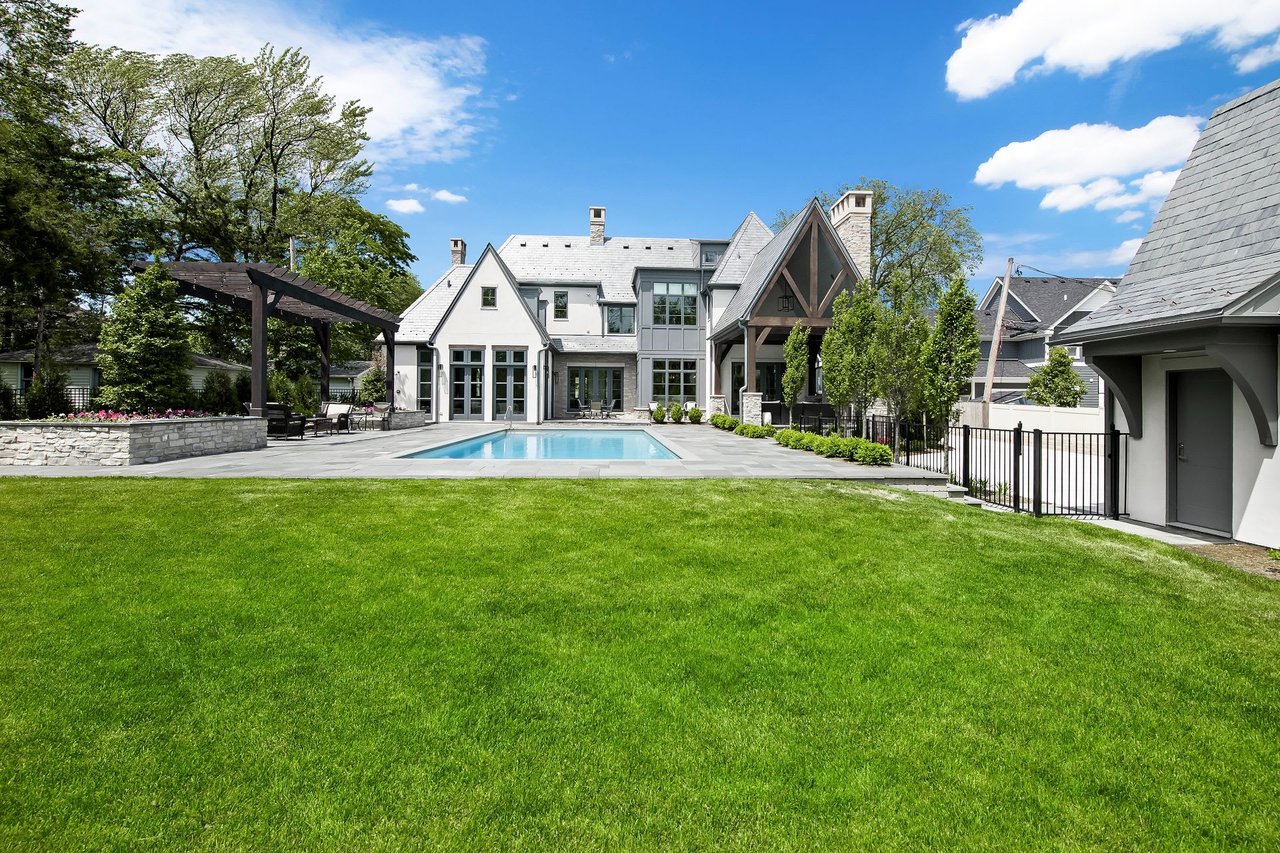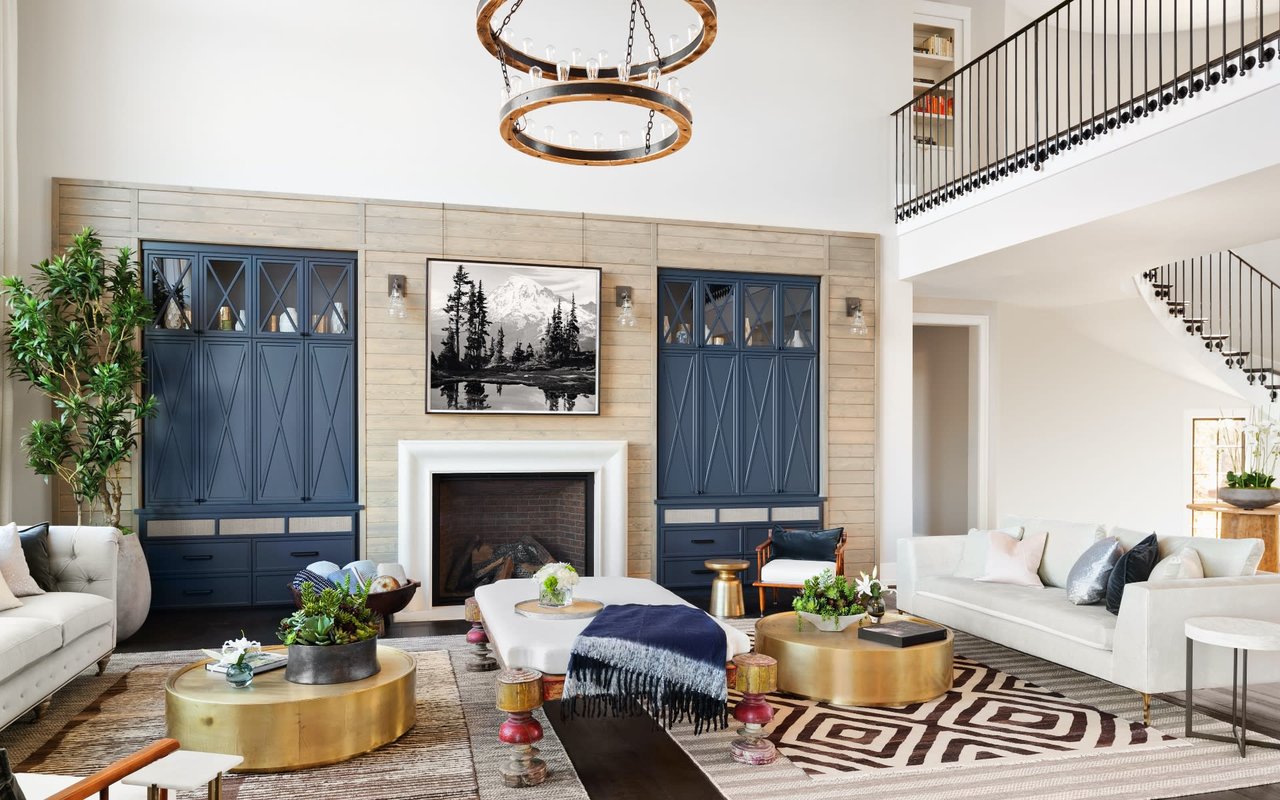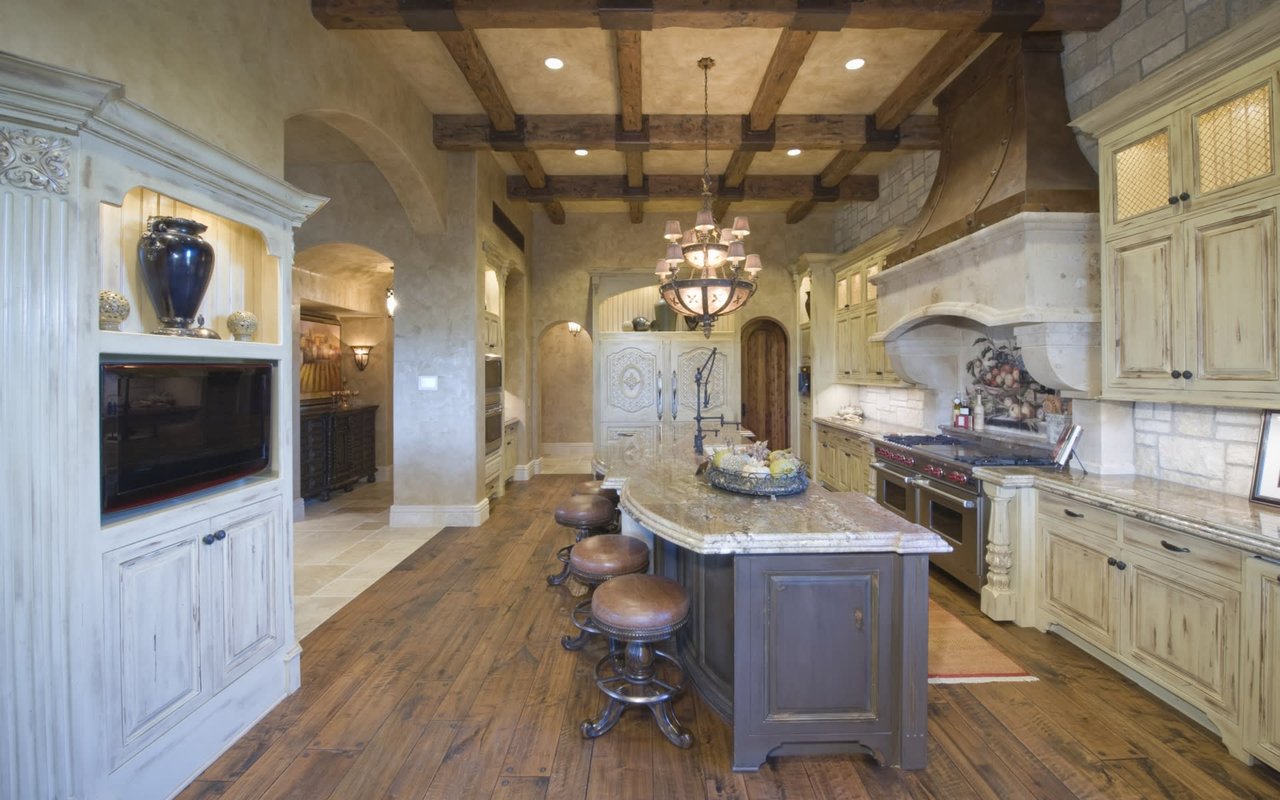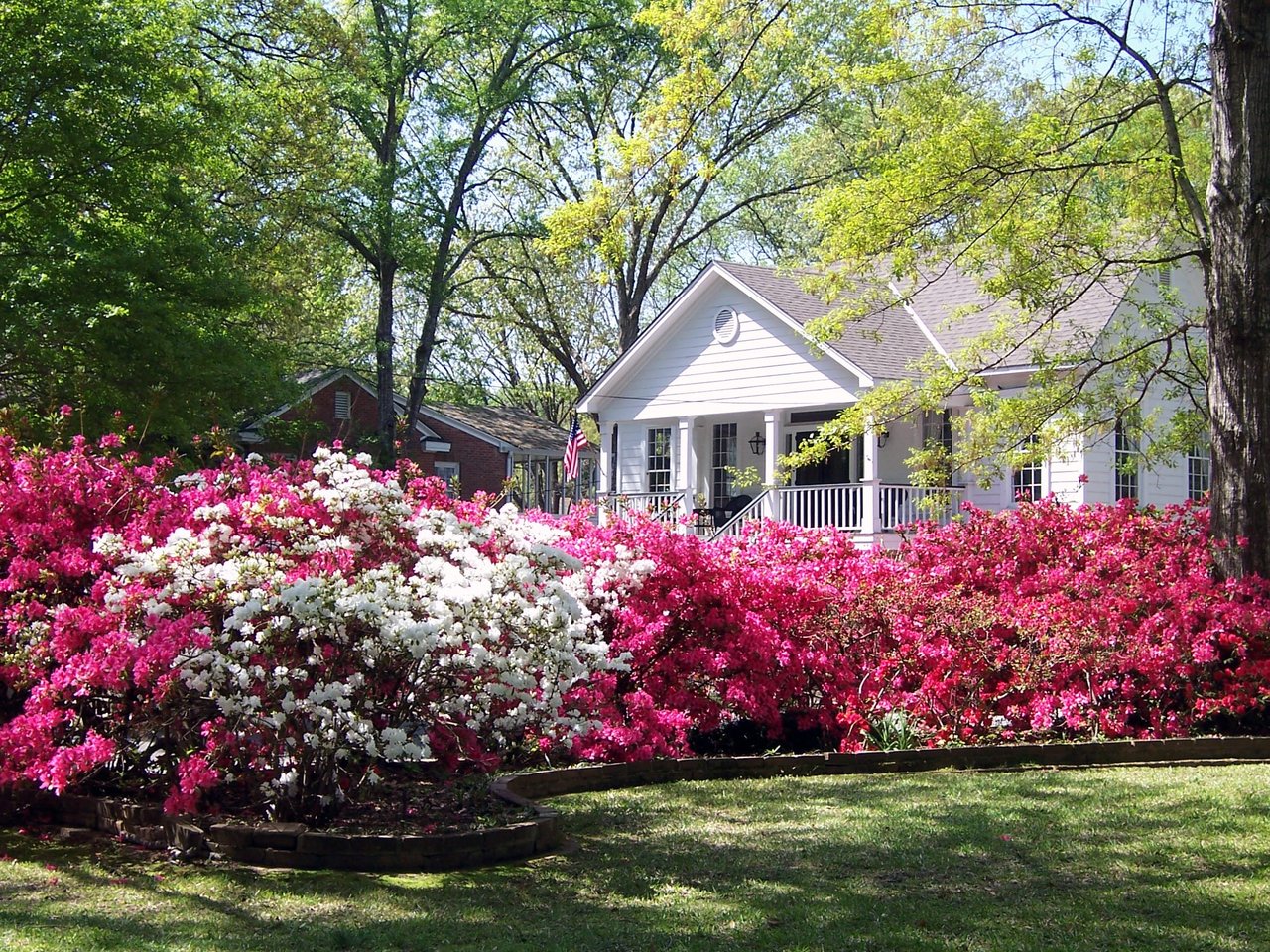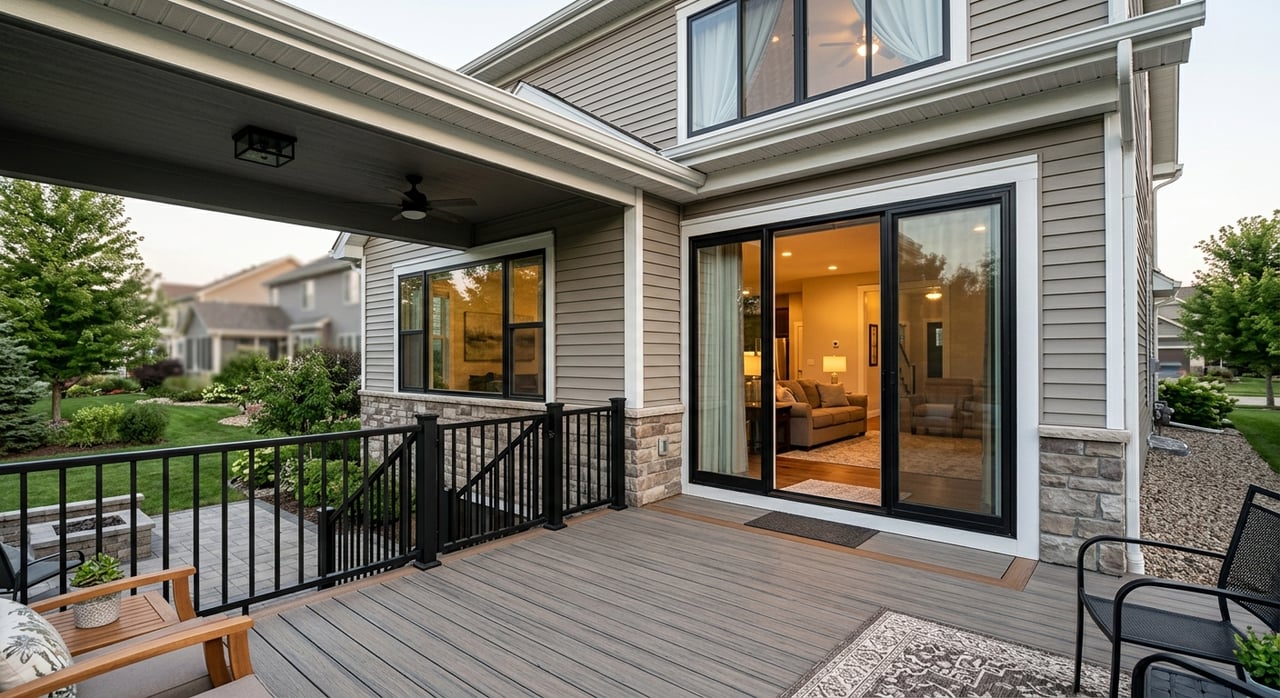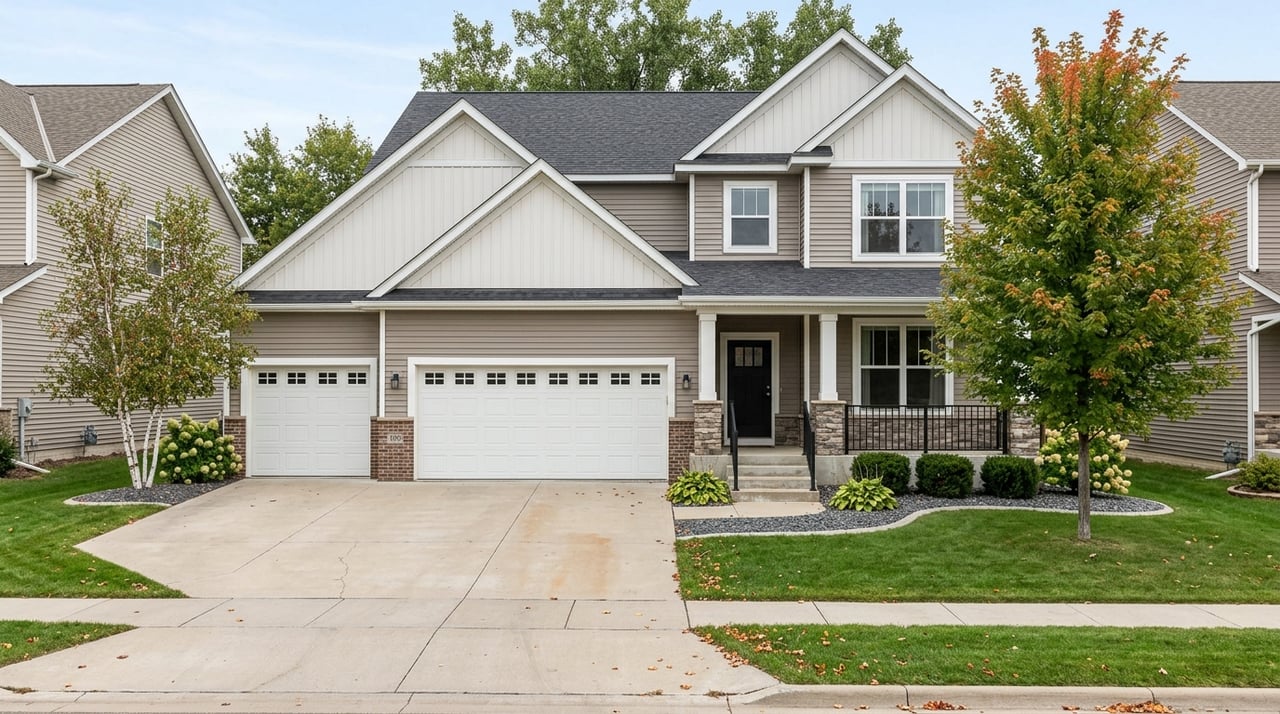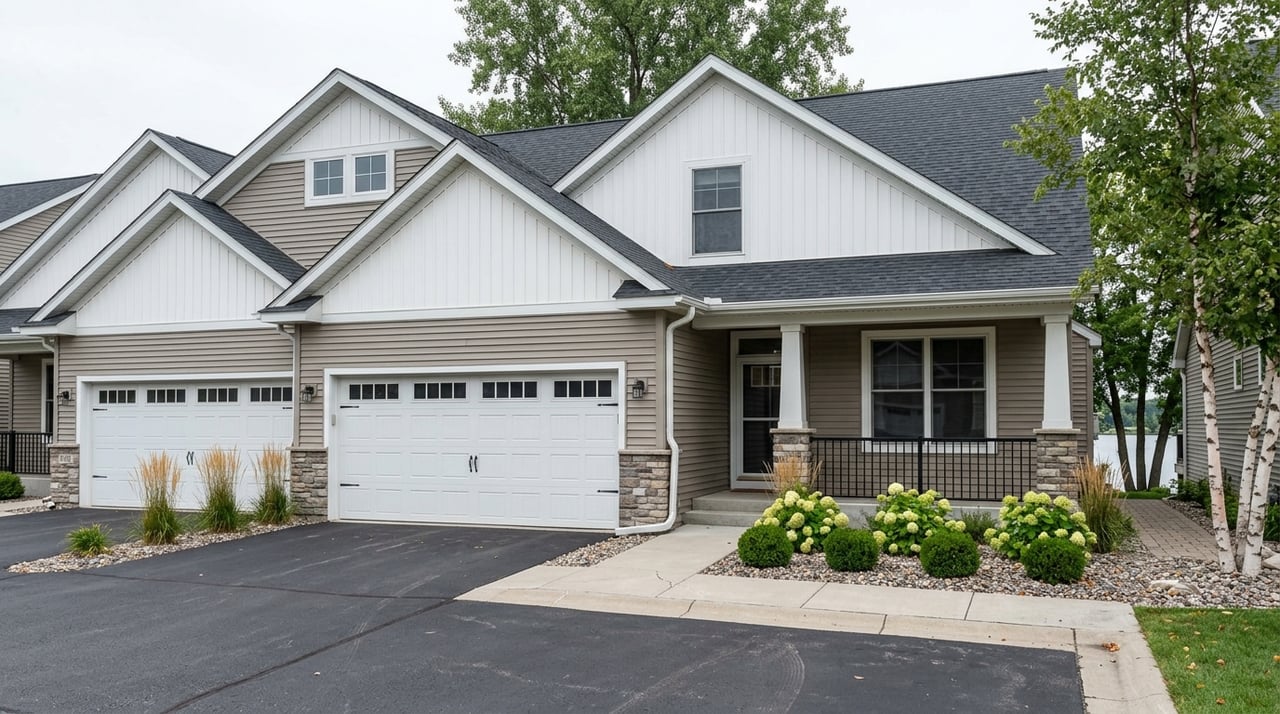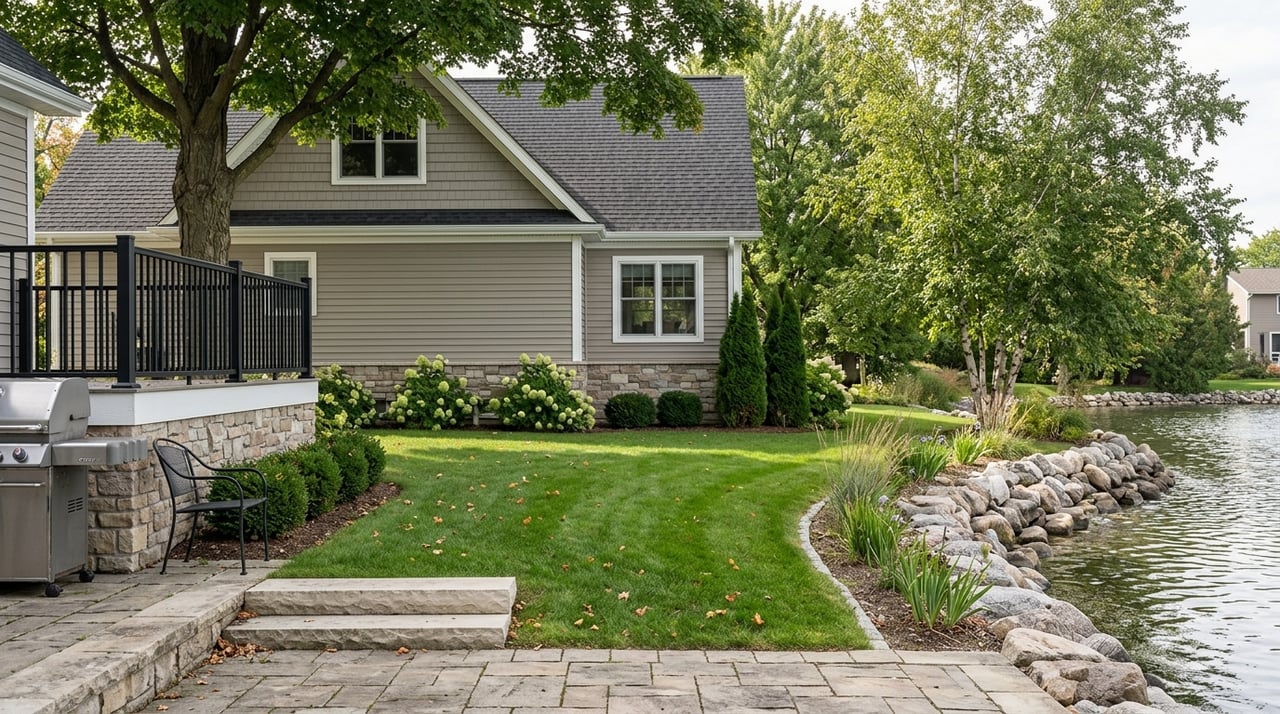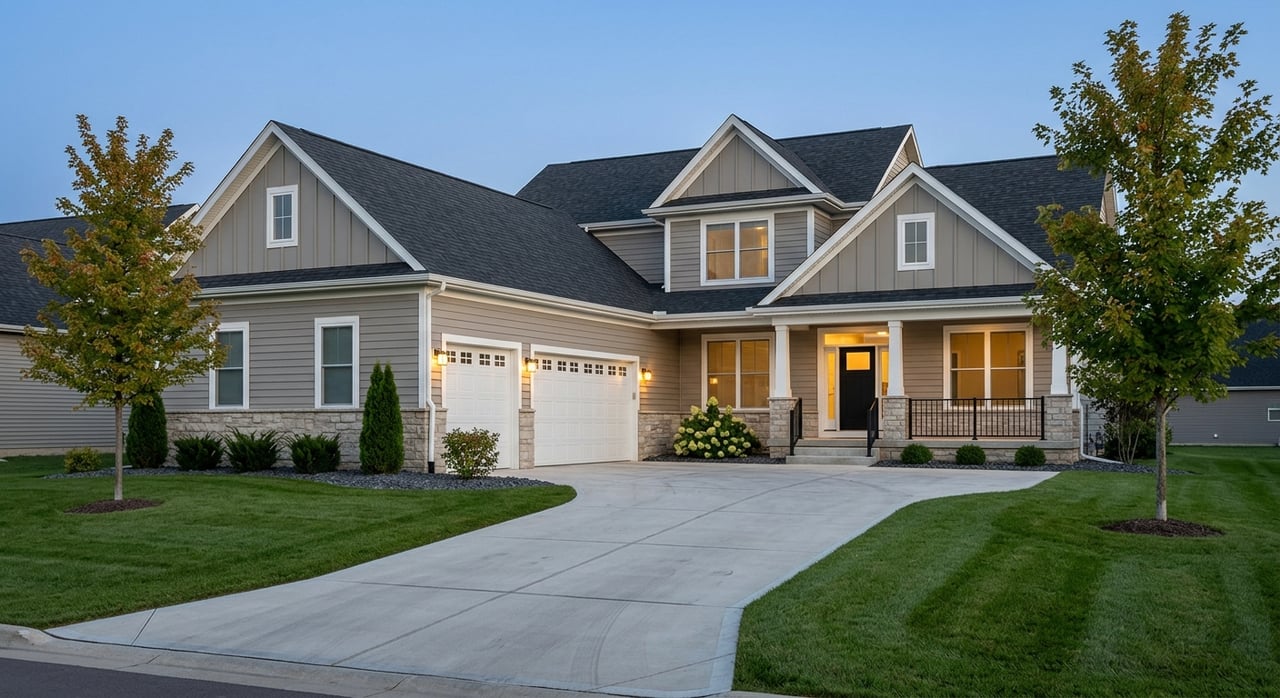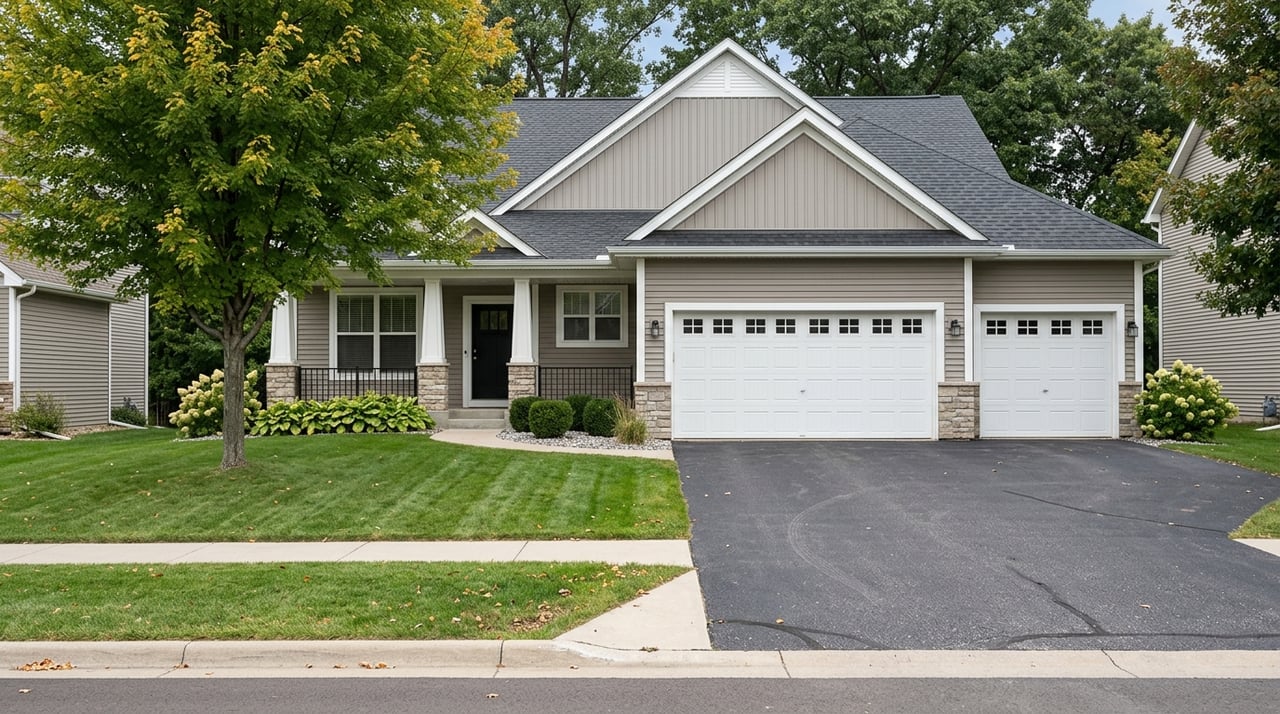
If you are thinking about buying in Minnetrista, one question matters more than almost anything else: do you want to live by water, among trees, or out on open land? This is not a typical suburb where most homes feel interchangeable. Minnetrista has a distinctly rural pattern, and the setting you choose can shape your daily life, your maintenance load, and even what you can do with your property. This guide will help you compare lake, woods, and fields so you can focus on the version of Minnetrista that fits you best. Let’s dive in.
Why Minnetrista Feels Different
Minnetrista sits on the western bays of Lake Minnetonka in southwestern Hennepin County and covers about 30.9 square miles. The Metropolitan Council estimates the 2024 population at 8,930, which helps explain why the city often feels more open and spread out than nearby suburban communities.
What really sets Minnetrista apart is its land mix. City and Metropolitan Council planning materials show a landscape shaped by open water, rural residential land, and agriculture. Rural and large-lot residential makes up 40.89% of the city, agricultural land accounts for 18.18%, and water covers 14.21%.
That means your home search here is often less about picking a subdivision and more about picking a setting. In practical terms, many buyers end up choosing between shoreline living, wooded privacy, or open-field acreage.
Lake Living in Minnetrista
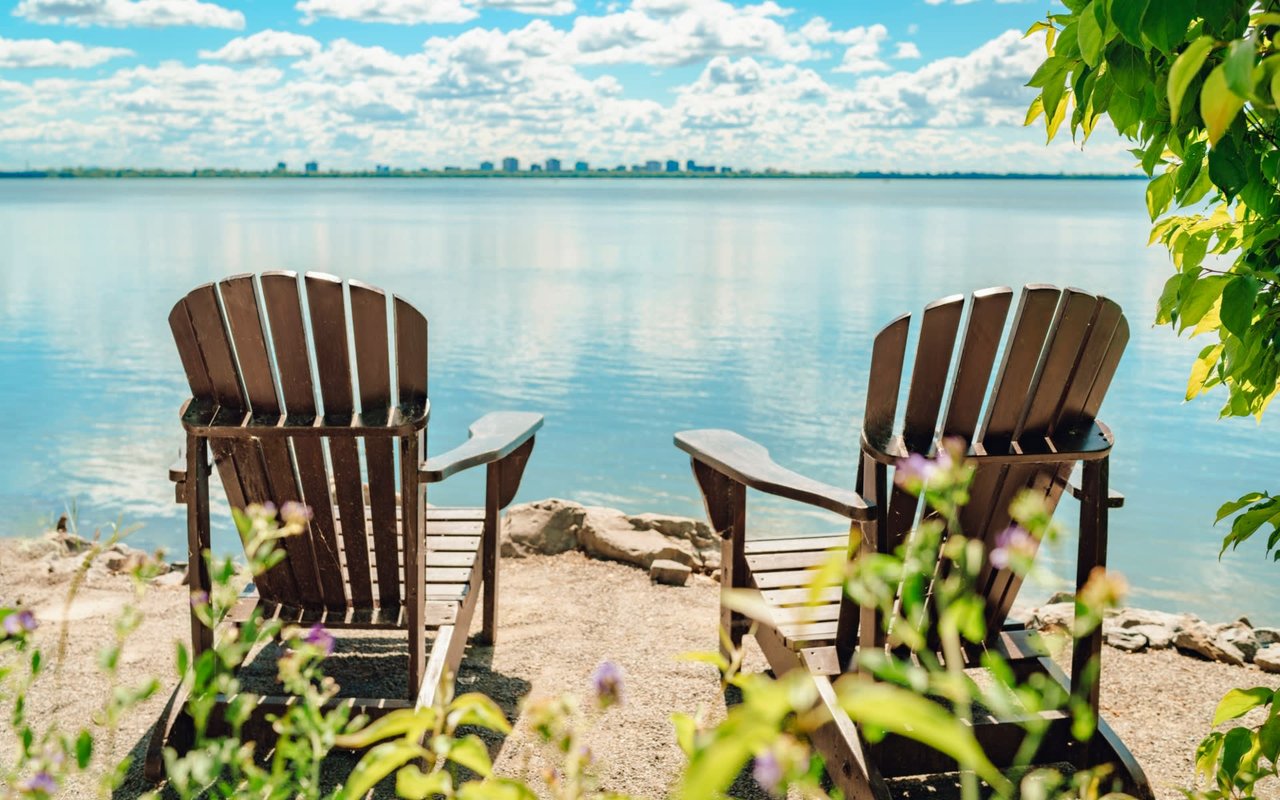
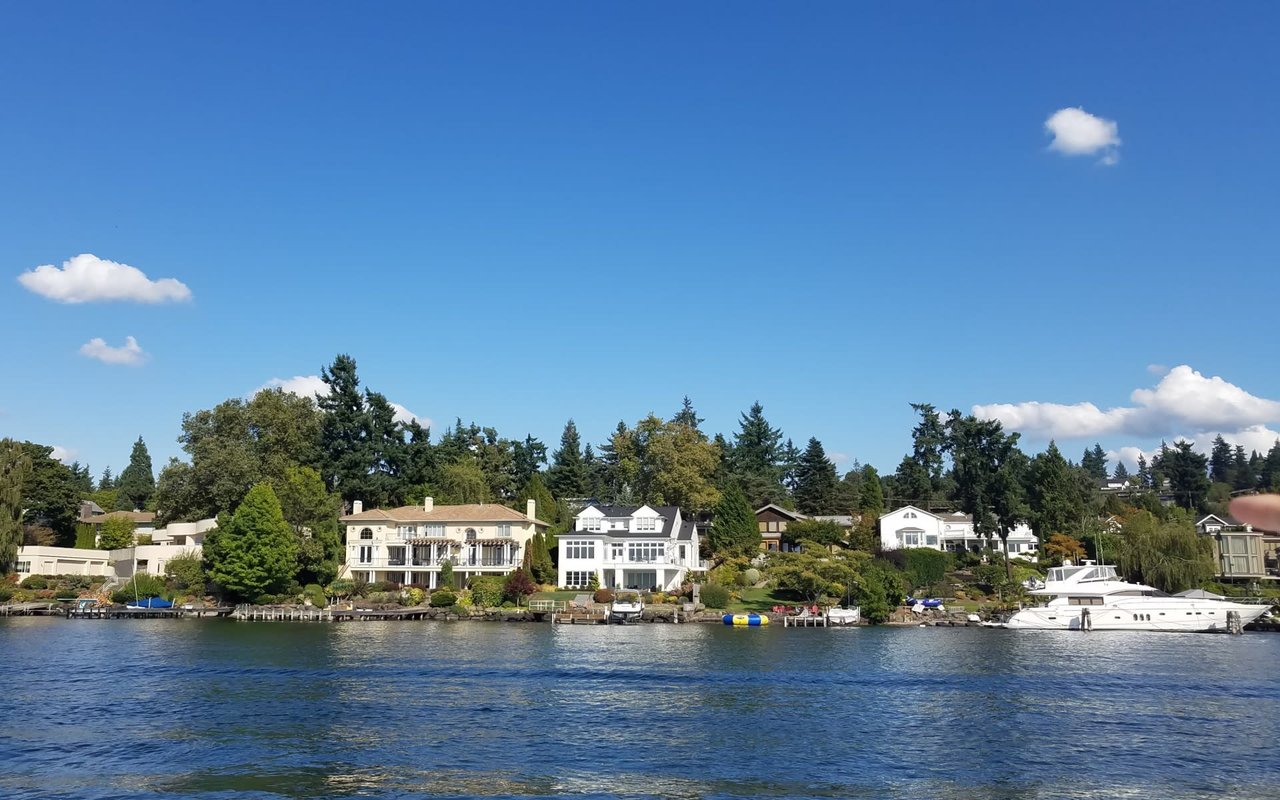
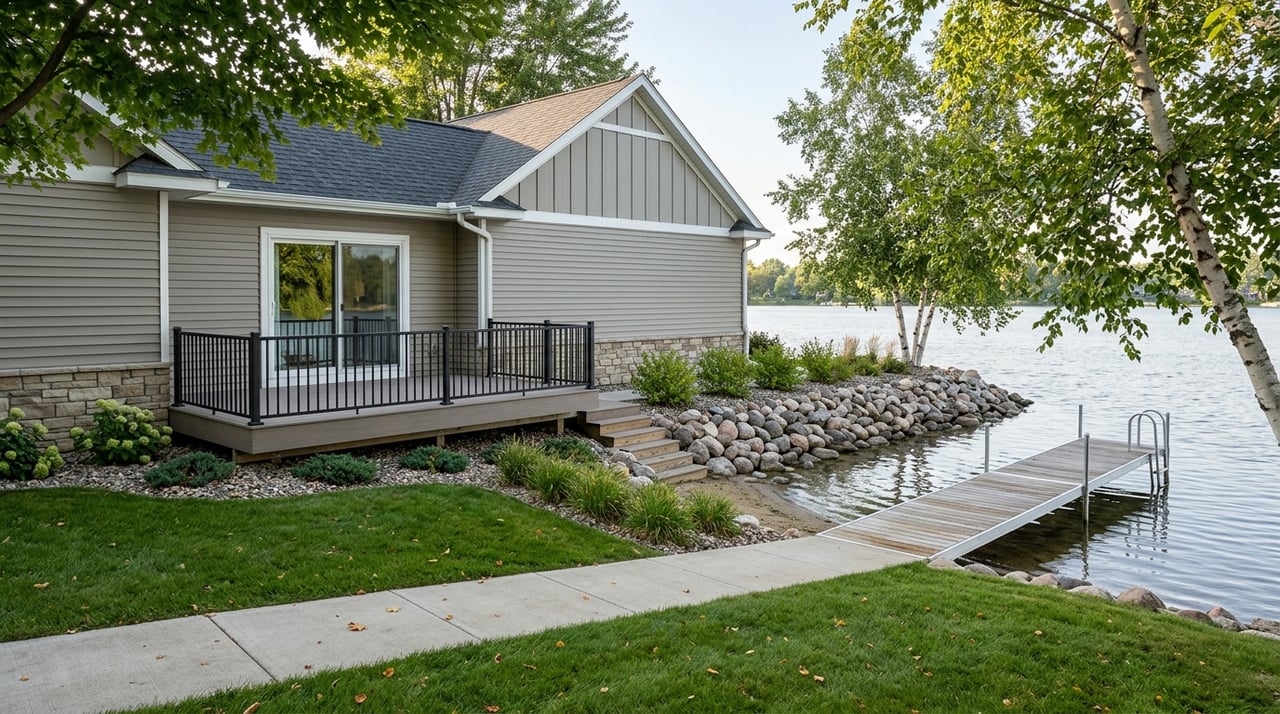
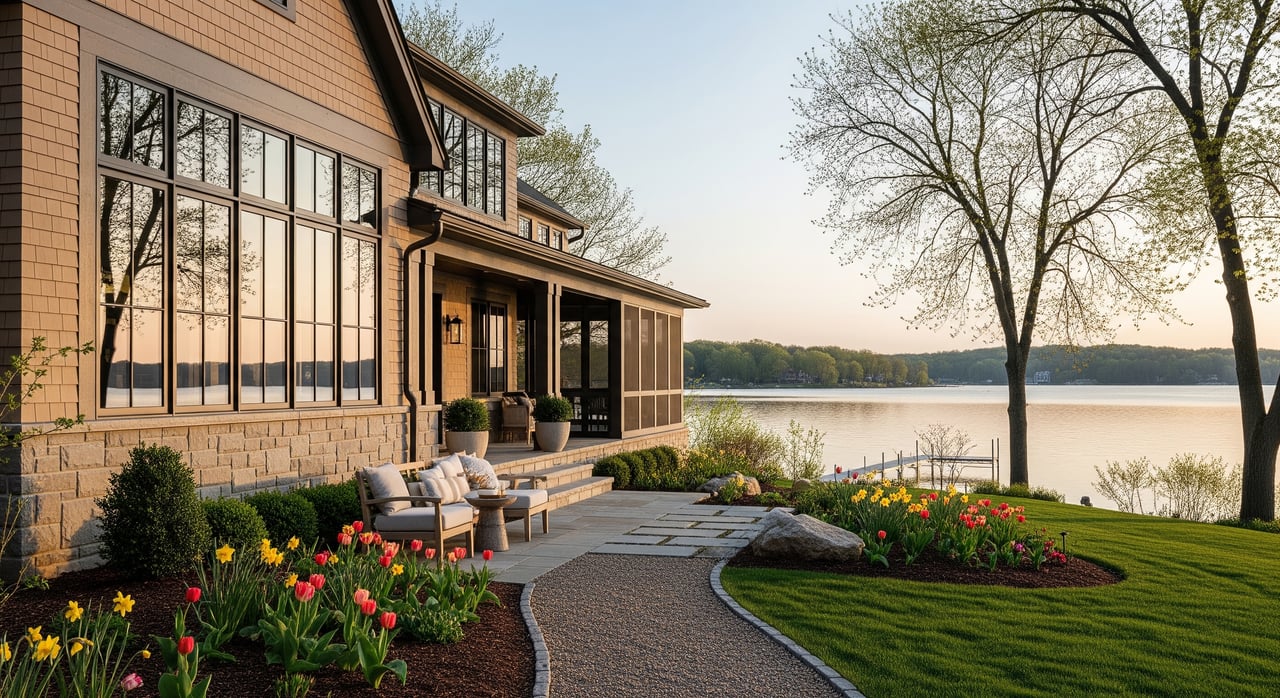
For many buyers, lakeshore is the dream. Minnetrista includes 3,270 acres of open water, with 2,076.4 acres of Lake Minnetonka within city limits, along with other lakes such as Dutch, Mud, Saunders, Whaletail, Ox Yoke, Stone, and the Long Lake Chain.
Lake Minnetonka is the largest lake in the Twin Cities metro at more than 14,000 acres. The Minnesota DNR describes it as a highly popular destination for year-round recreation, with heavy boat traffic and crowded ramps at busy times. If boating and direct water access are central to your lifestyle, that kind of access can be hard to match elsewhere.
Minnetrista also offers a different side of lake living on smaller waters. Hennepin County describes Little Long Lake as the county’s most pristine lake, and the DNR notes that it has a small public launch and a 10-horsepower limit. That creates a very different experience from the activity level you might expect on Lake Minnetonka.
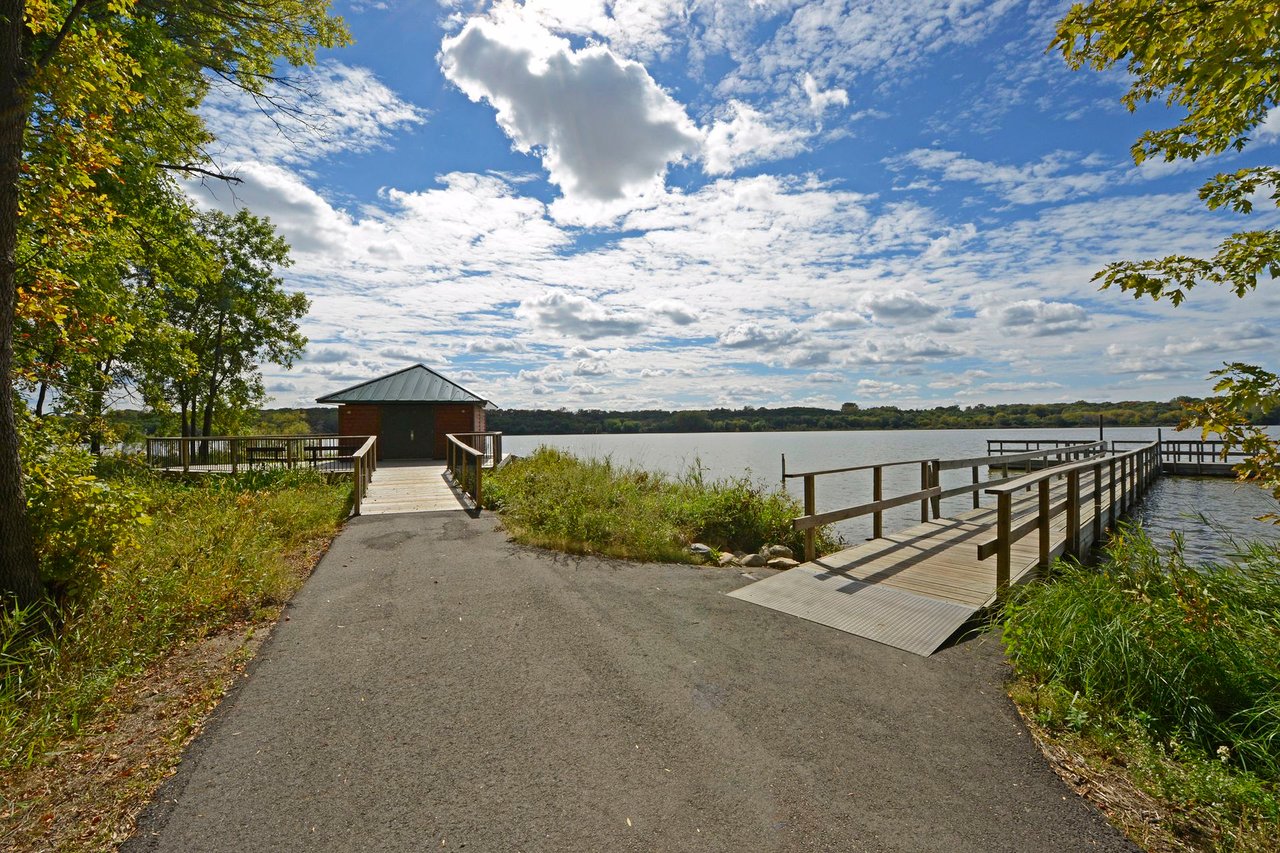
Lake Minnetonka Regional Park adds to the area’s water-focused appeal with a boat launch, fishing pier, hiking and biking trails, and a swim pond. If you picture your weekends around the water, Minnetrista gives you several ways to live that out.
What Lakeshore Buyers Should Expect
The biggest advantage of lakeshore is clear: access, views, and a strong connection to the water. For some buyers, that benefit outweighs almost every other factor.
The tradeoff is regulation and site limits. Minnetrista’s shoreland ordinance requires setbacks from the ordinary high water mark, limits impervious cover, and says natural vegetation should be preserved to the maximum extent possible. Clear cutting is prohibited in shoreland areas.
If you are looking at Lake Minnetonka frontage, you also need to understand LMCD rules. Docks, lifts, boat storage, and shoreline use are governed locally, so you should not assume a property can be changed casually or customized without review.
Lakefront May Fit You If
- You want boating or direct water access to be part of everyday life
- You value views and a strong connection to the lake
- You are comfortable with more rules around shoreline use and property changes
- You understand that lake ownership often brings added planning and oversight
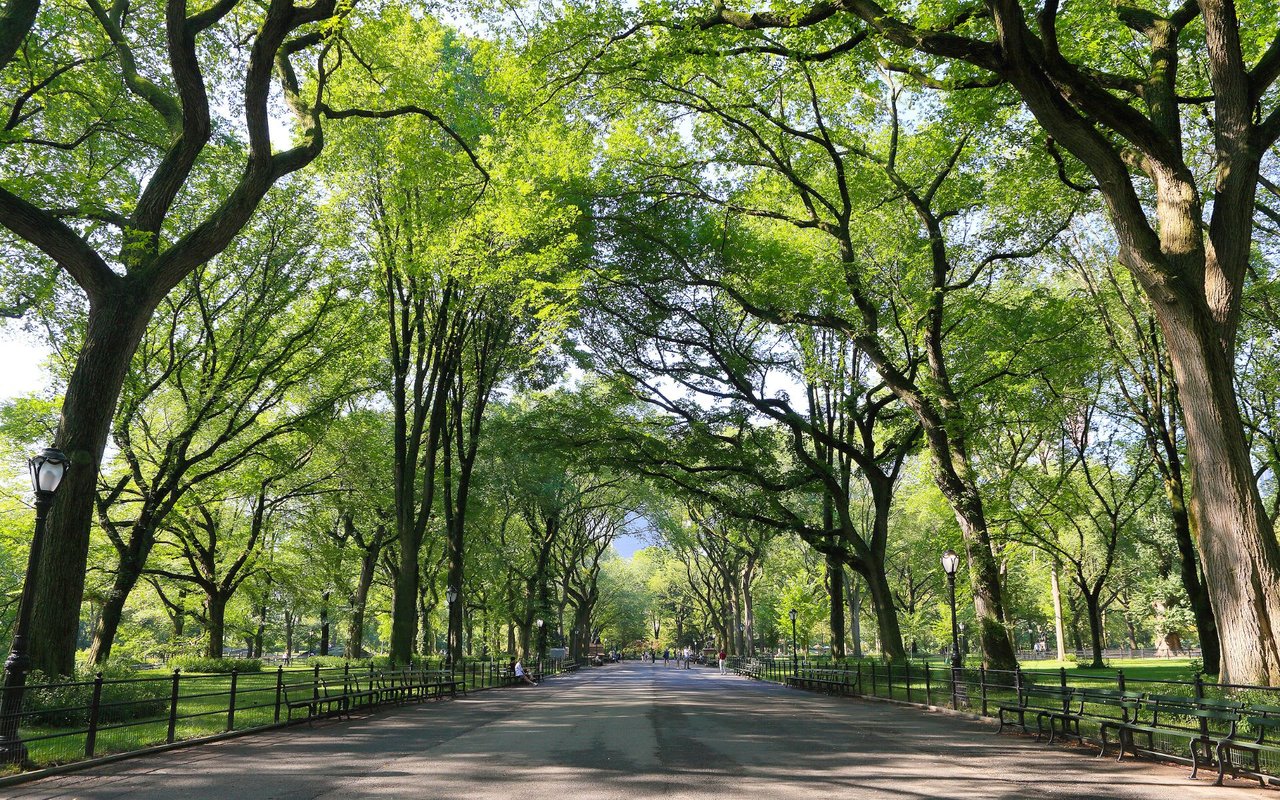
Wooded Lots for Privacy and Nature
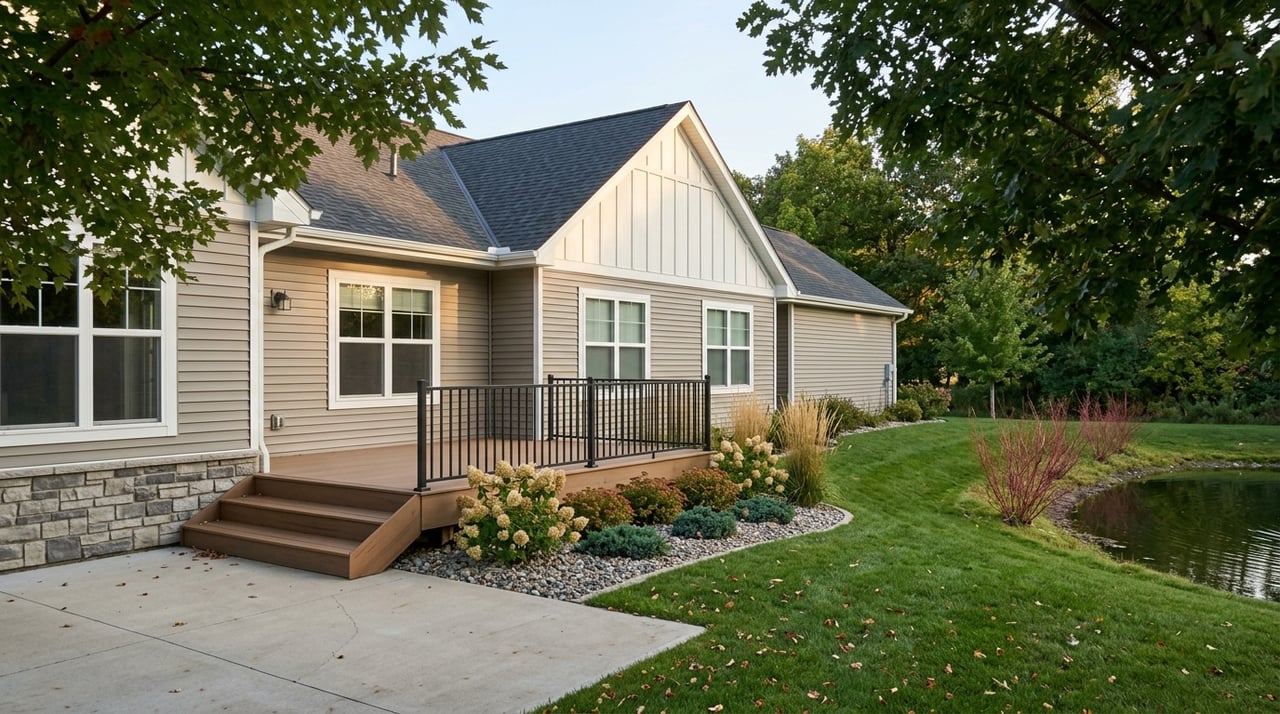
If your dream home is less about a dock and more about a natural buffer, a wooded lot may be the best fit. Minnetrista’s rural areas include woodlands, wetlands, lakes, and steep slopes, which gives many homes a tucked-away feel that can be hard to find in more built-out suburbs.
Protected land helps preserve that character. Hennepin County says three conservation easements in Minnetrista protect nearly 88 acres of grassland, forest, and wetland, along with more than 4,000 feet of shoreline. The county also says the Little Long Lake area has more than 550 acres of habitat permanently protected.
Nearby amenities reinforce the natural setting. Carver Park Reserve includes trails, woods, lakes, and marshes, and the Dakota Rail Regional Trail runs through Minnetrista. If you like the idea of stepping outside to mature trees, shade, and a quieter setting, wooded parcels often deliver that experience.
What Wooded-Lot Buyers Should Expect
A wooded lot usually means more ongoing care. You may have more tree work, leaf cleanup, storm-damage response, drainage attention, and invasive-species management than you would on a more open site.
If the property is also in a shoreland area, vegetation rules can apply there as well. So while wooded lots can offer privacy and a strong sense of place, they are not always low-maintenance.
Wooded Living May Fit You If
- You want privacy without needing direct lake frontage
- You like shade, mature trees, and a natural setting
- You are comfortable with seasonal outdoor maintenance
- You want a property that feels buffered from nearby homes
Open-Field Acreage for Space
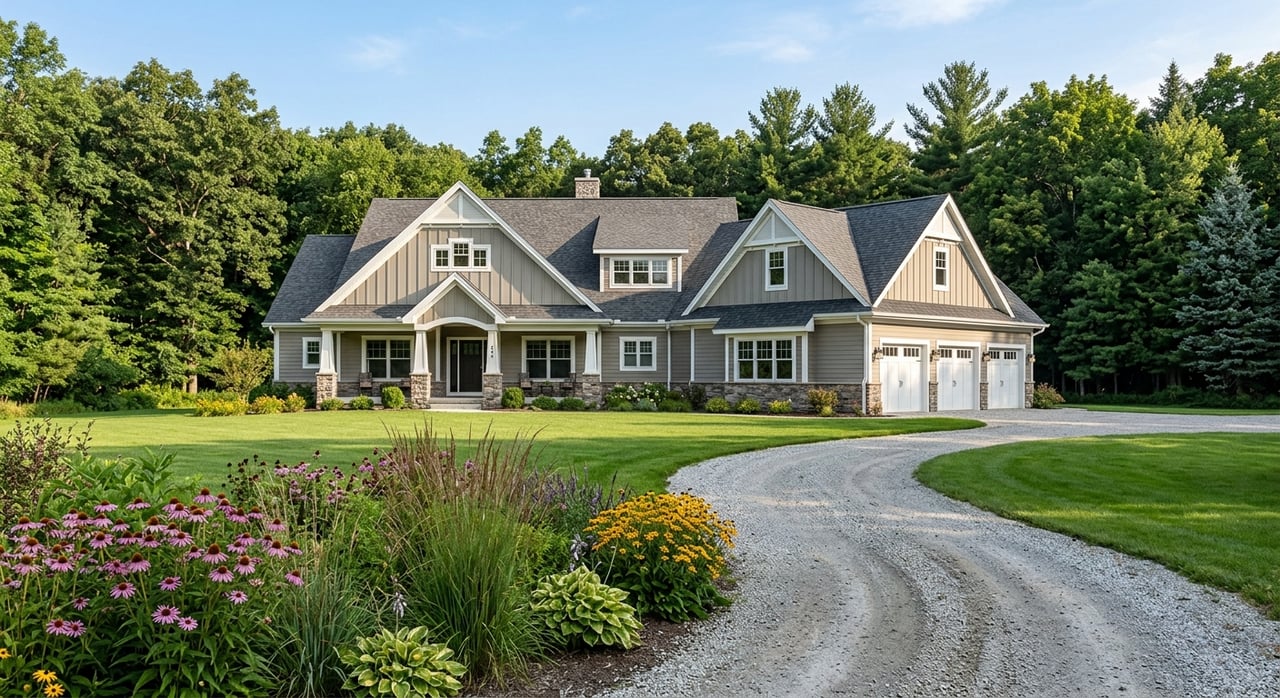
If your priority is elbow room, open-field acreage may be the strongest match. Minnetrista’s planning documents emphasize its agricultural heritage and the city’s intent to preserve large lots and open space through its Permanent Agriculture designation.
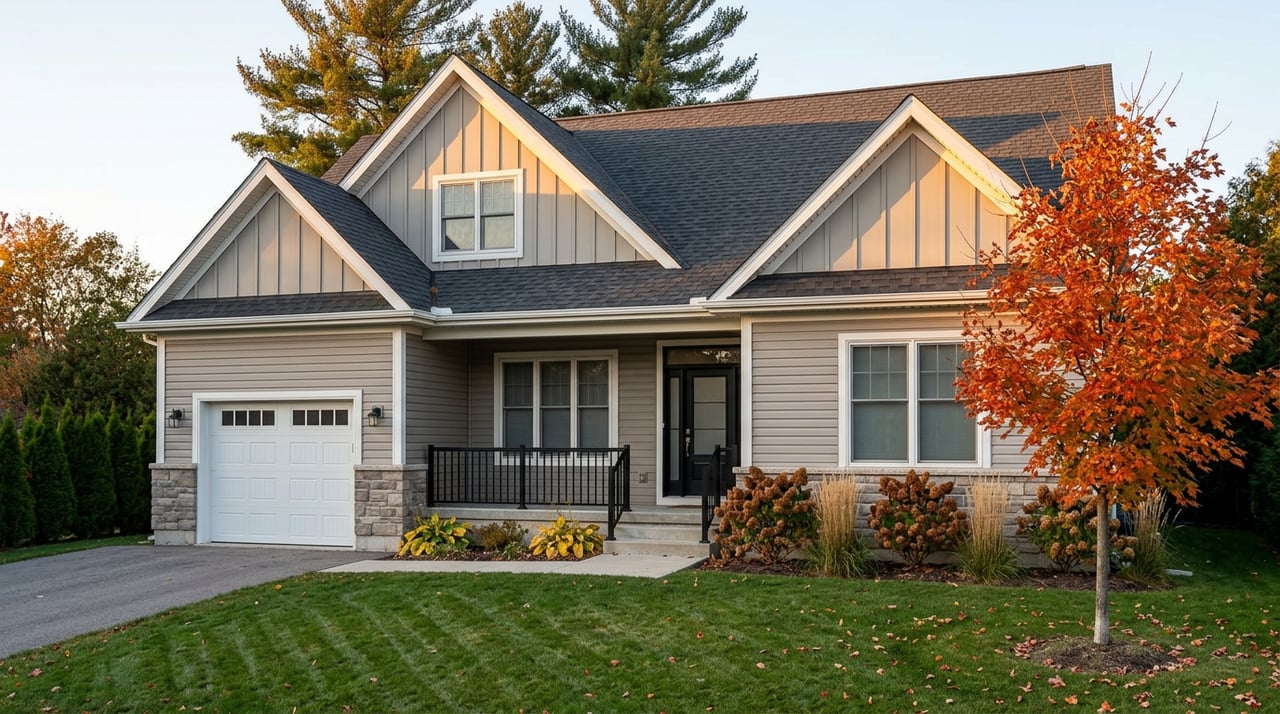
This matters because much of Minnetrista still functions more like a semi-rural market than a fully serviced suburb. Some properties sit in settings that feel closer to country living, with broader views, fewer nearby homes, and more room for long-term site planning.
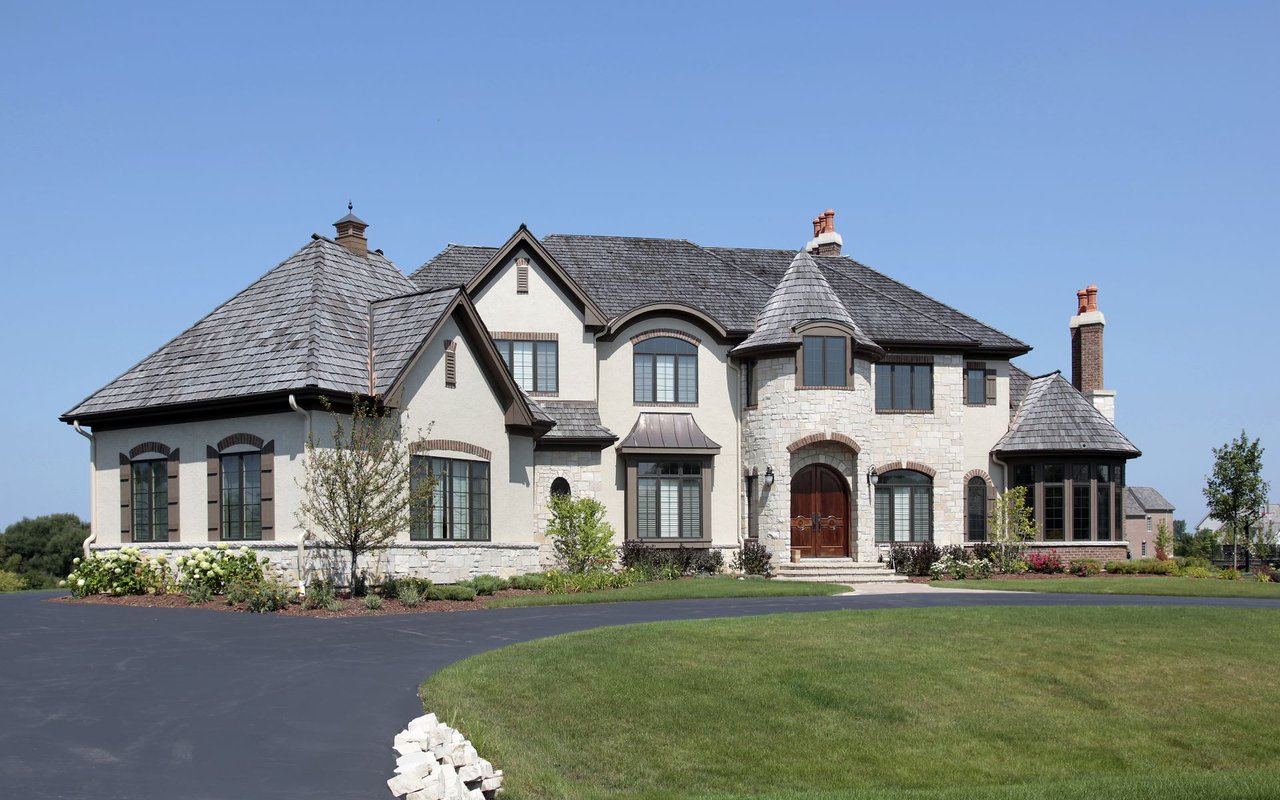
Open land can offer a different kind of freedom. You may have more separation from neighbors and more flexibility in how you think about the property over time. For buyers who value space first, that can be a major advantage.
What Acreage Buyers Should Expect
The tradeoff is stewardship. The city says many residents do not have public sewer and water available, Hennepin County regulates septic systems in the city, and the Minnesota Department of Health regulates wells.
Minnetrista public works also reports about 19 miles of gravel roads in addition to paved roads. Depending on the property, your day-to-day experience may feel less like subdivision living and more like managing a semi-rural homesite.
That usually means more mowing, driveway care, drainage attention, and well and septic upkeep. In short, you may gain more land, but you will likely take on more responsibility too.
Open Fields May Fit You If
- You want the most land and the most separation from neighbors
- You are thinking long term about site use and flexibility
- You are comfortable with well, septic, and rural-property upkeep
- You prefer wide-open views over heavy tree cover or direct shoreline
How Pricing Can Shift by Setting
Minnetrista does not move as one uniform market. Recent snapshots show a broad range, with Redfin reporting a median sale price of $720,000 for the three months ending May 2026, Zillow placing the average home value at $688,527 and the median list price at $820,833, and Realtor.com showing a median listing price around $909,000 with 103 homes for sale.
These sources use different methods, but together they point to the same conclusion: lot type and setting matter a lot here. A lakeshore property, a wooded interior parcel, and an open-field acreage may all live under the Minnetrista label while offering very different value drivers.
A practical way to think about it is this: lakeshore and large protected-acreage properties often sit at the top of the budget range, wooded interior parcels often land in the middle, and open-field acreage may offer more land per dollar but come with more site-management work.
What to Verify Before You Offer
Because Minnetrista is a mixed-service and regulation-heavy market in certain areas, due diligence matters. A beautiful setting can still come with important property-specific questions.
Start with utilities and land-use basics. The city reports 1,726 properties on city water supply, but it also says many residents do not have public sewer and water available. You will want to confirm exactly what serves the parcel you are considering.
For lakeshore and wetland-adjacent land, verify the shoreland district classification, any conservation easements, and whether a DNR public waters work permit may be needed for work affecting a lake, wetland, river, or stream. For Lake Minnetonka frontage, check LMCD rules on docks, lifts, storage, and boating before you make assumptions about changes.
If school boundaries are part of your planning, verify the specific parcel. The city says four districts serve Minnetrista: Westonka, Delano, Waconia, and Watertown-Mayer.
Minnetrista Buyer Checklist
- Confirm whether the home uses city water, private well, or a mix
- Verify sewer or septic service for the parcel
- Check shoreland district rules if the property is near water
- Ask about conservation easements or protected land restrictions
- Review dock, lift, storage, and boating rules for Lake Minnetonka frontage
- Understand road conditions, including whether access includes gravel roads
- Verify the parcel’s school district boundaries if that factor matters to you
Choosing the Right Minnetrista Setting
The best Minnetrista property is not always the one with the biggest view or the most acres. It is the one that matches how you actually want to live and what level of upkeep you are ready to take on.
Choose lakeshore if water access is nonnegotiable and you want the lifestyle that comes with it. Choose woods if privacy, shade, and a natural buffer matter most. Choose fields if you want space, flexibility, and are ready for the stewardship that comes with larger land.
Minnetrista gives you all three, which is part of what makes it such a distinctive place to buy. If you want help narrowing down which setting fits your goals, Ben Hahn can help you compare properties with a local, practical lens.
FAQs
What makes Minnetrista different from other west metro suburbs?
- Minnetrista has a more rural land pattern, with a mix of lakeshore, wooded parcels, and agricultural or open-field acreage rather than mostly standard suburban subdivisions.
What should you know before buying lakeshore in Minnetrista?
- You should verify shoreland rules, setbacks, vegetation limits, and any LMCD requirements for docks, lifts, boat storage, and shoreline use before making assumptions about future changes.
Are wooded lots in Minnetrista lower maintenance than lakefront homes?
- They can avoid some dock and shoreline-management issues, but wooded lots often require tree care, leaf cleanup, storm response, drainage attention, and invasive-species control.
Do all Minnetrista homes have city sewer and water?
- No. Minnetrista is a mixed-service community, and the city says many residents do not have public sewer and water available, so you should confirm utility service for each parcel.
Is open-field acreage in Minnetrista a good fit for buyers who want more space?
- Yes, open-field acreage is often the best fit for buyers who want more land, more separation, and more flexibility, as long as they are comfortable with the upkeep that comes with a semi-rural property.
Why can home prices vary so much in Minnetrista?
- Prices can vary widely because setting matters here. Lakeshore, wooded parcels, and open acreage each offer different features, maintenance demands, and land-use considerations.