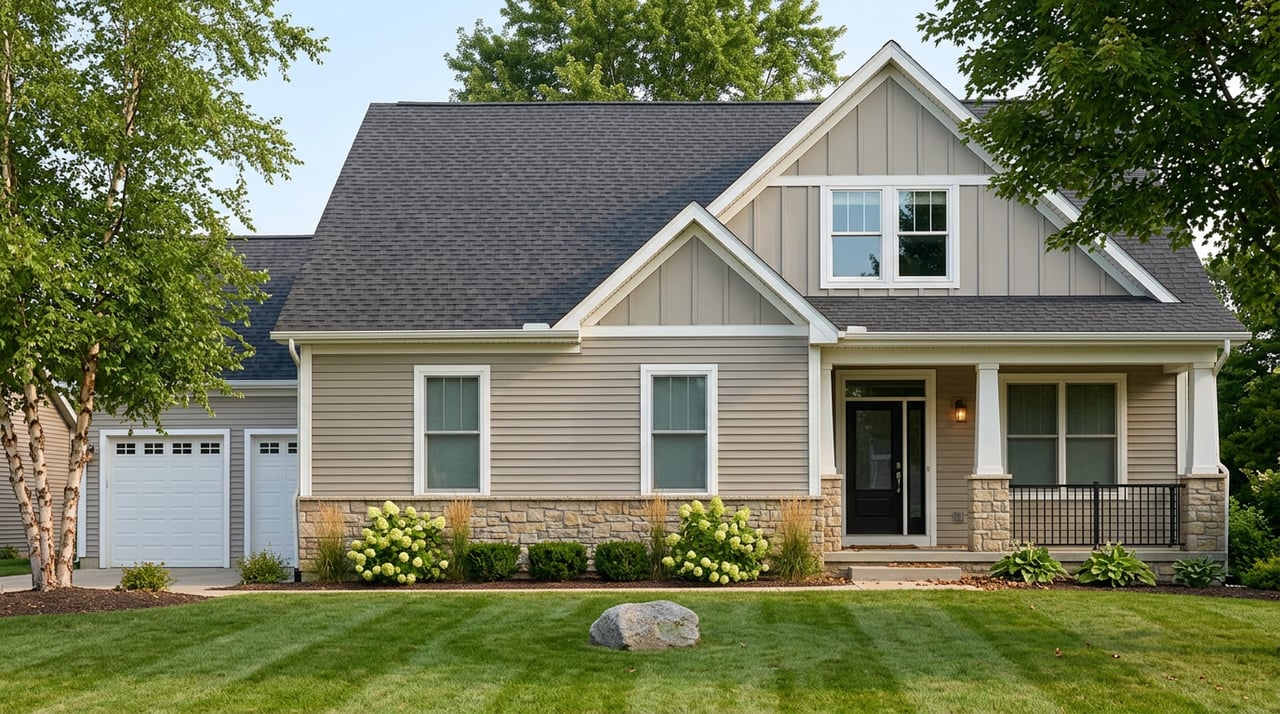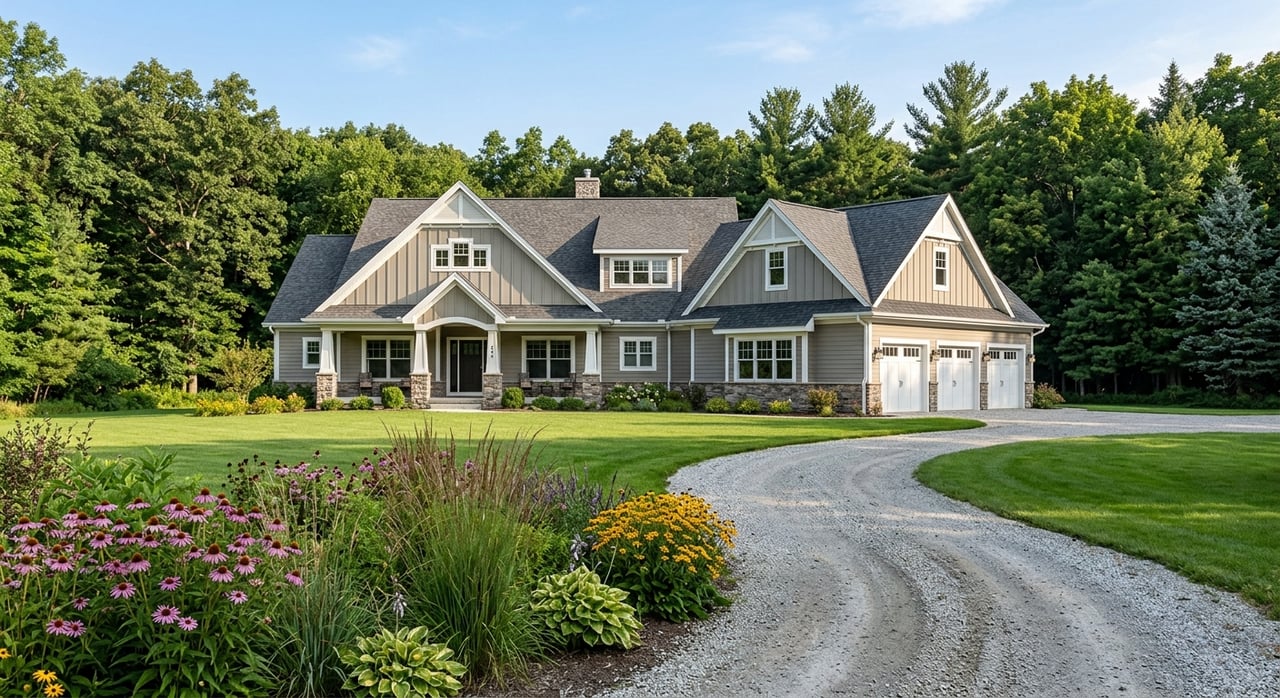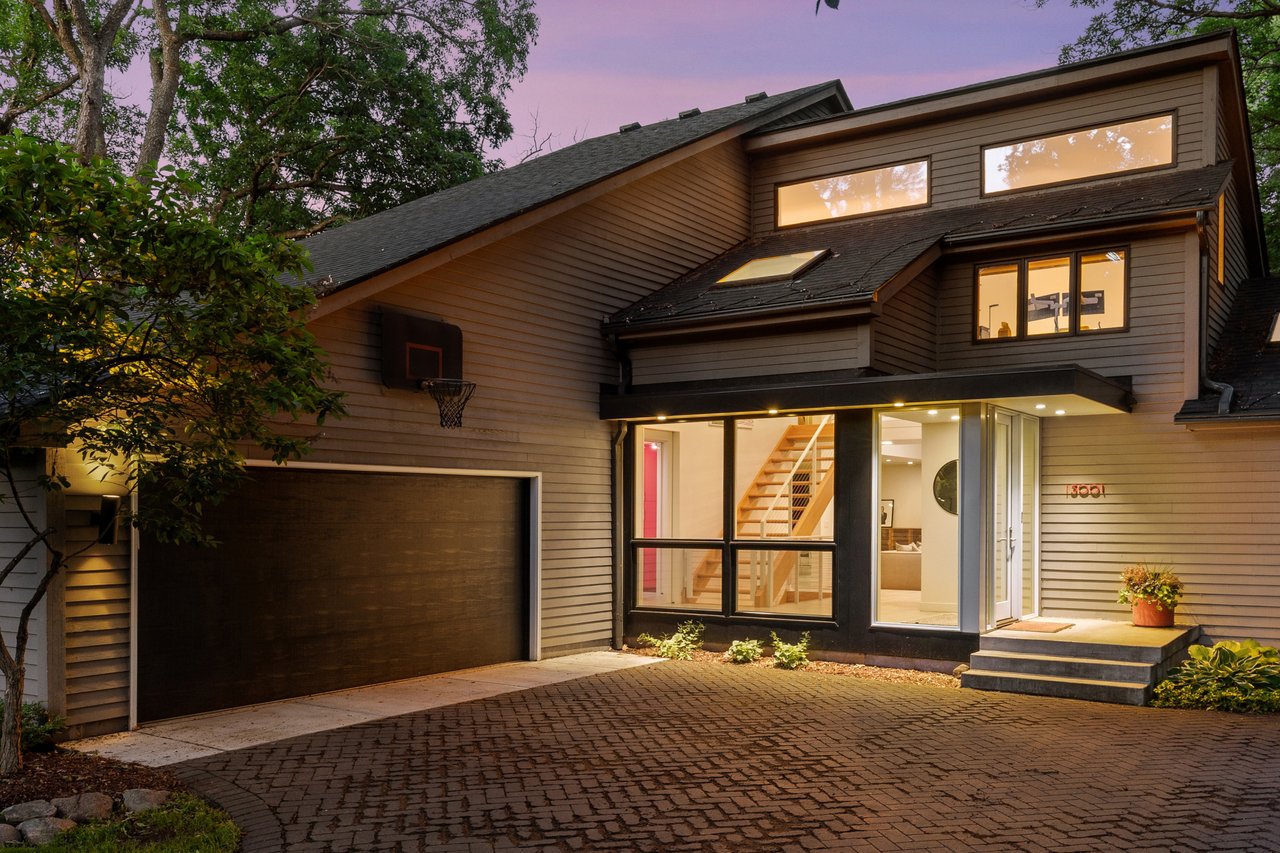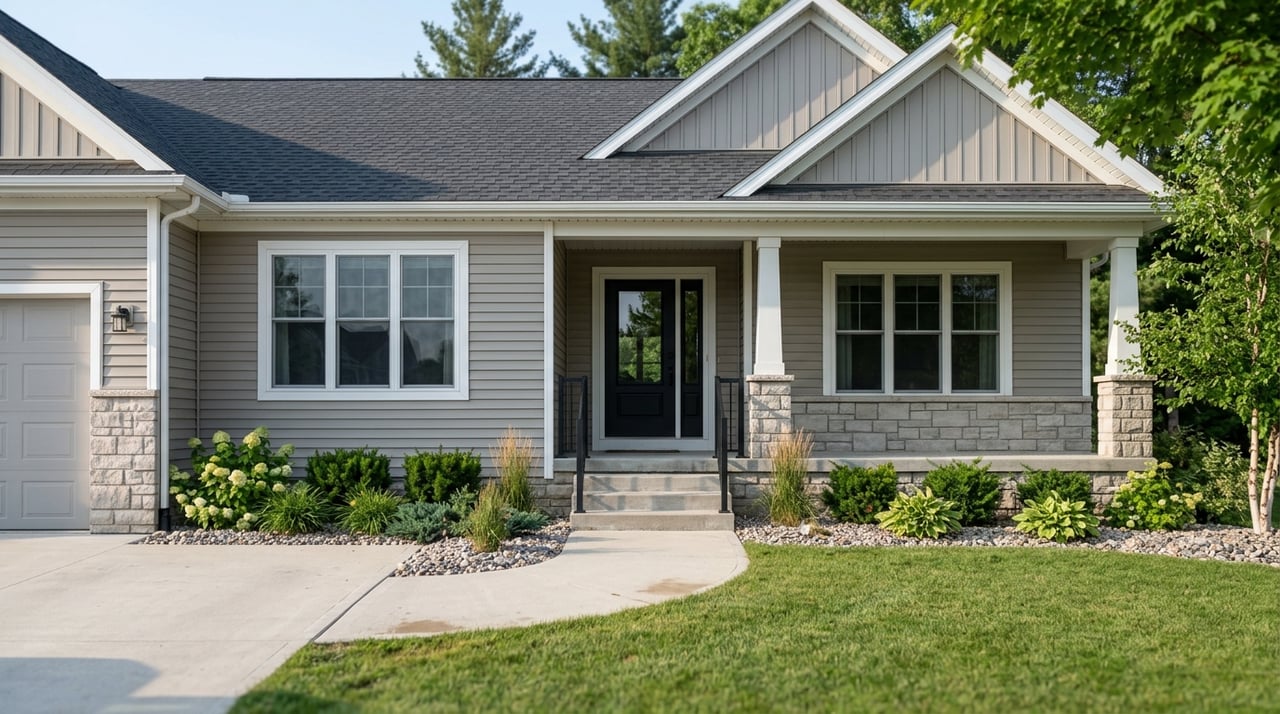
If you’re thinking about buying in Mound, one question can shape your whole search: do you want to live on the lake, near the lake, or simply in town? In a place so closely tied to Lake Minnetonka, that choice affects your budget, daily routine, maintenance, and long-term fit. The good news is that Mound offers more than one way to enjoy the water-centered lifestyle. Let’s dive in.
Why this choice matters in Mound
Mound is a compact city of 4.96 square miles on the western shores of Lake Minnetonka, about 20 miles west of Minneapolis. Even with its smaller footprint, it offers a strong connection to the outdoors, with 37 public parks and open spaces, 311 public dock sites, and access to the Dakota Rail Regional Trail.
That local setup makes Mound different from many lake communities. You are not choosing between “lake life” and “everything else.” In many cases, you are choosing how you want to experience lake life, and how much responsibility you want to take on with it.
Lake Minnetonka also is not one uniform setting. According to the Lake Minnetonka Conservation District, its many bays vary in depth, surface area, and water quality, which means one waterfront location can feel quite different from another, even within the same city.
Direct lakeshore homes in Mound
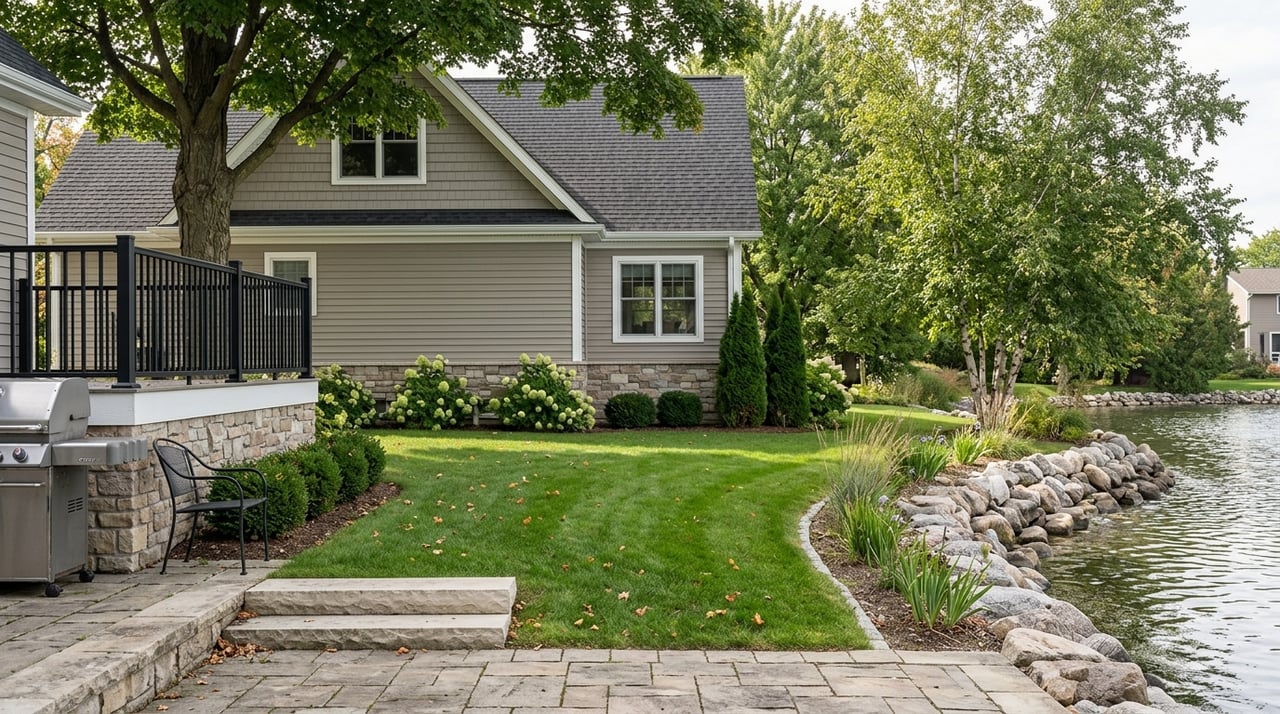
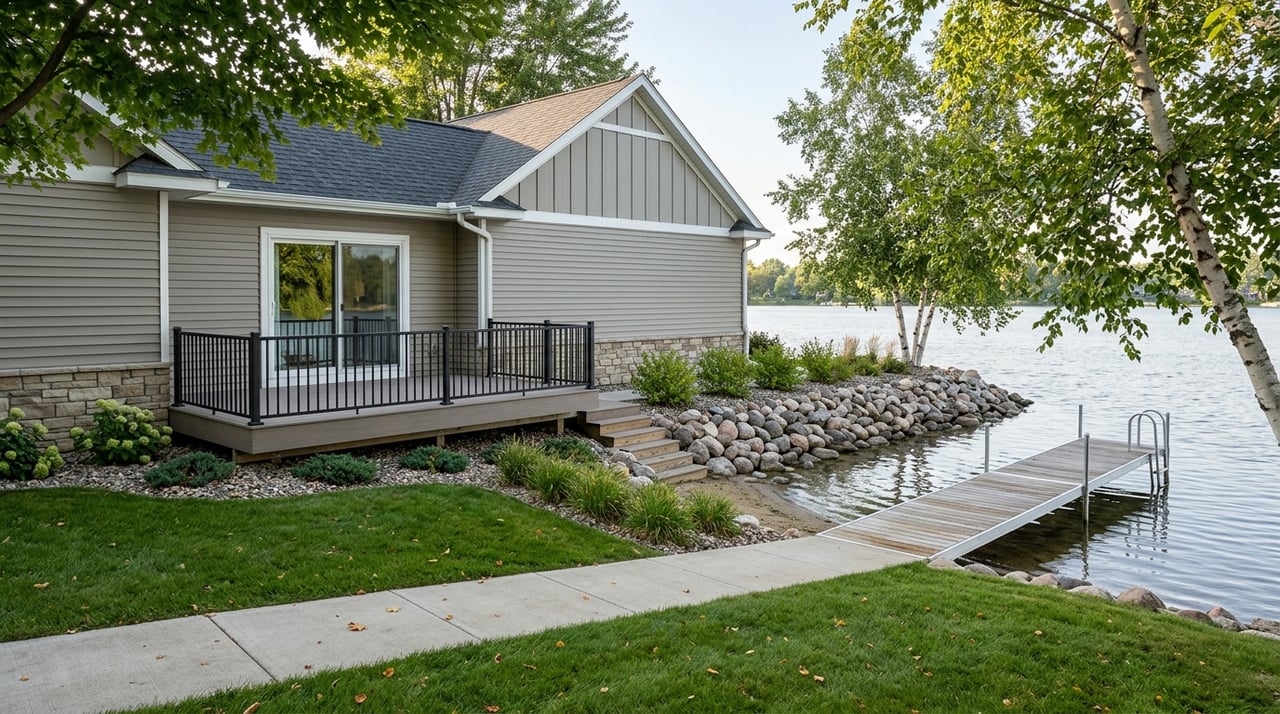
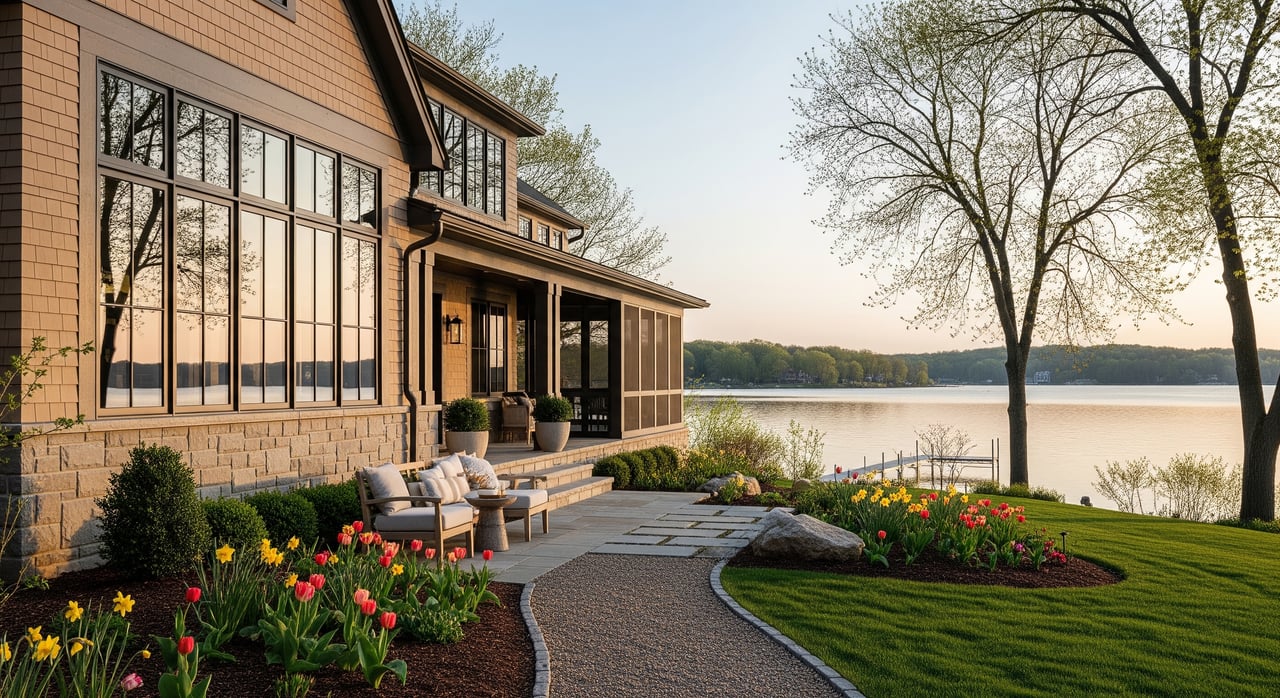
For many buyers, direct lakeshore is the dream. You get immediate water access, views, and the easiest day-to-day boating convenience. If you picture stepping outside and heading straight to the dock, this is the most seamless version of that lifestyle.
In Mound, abutting dock sites are transferable when the adjacent property is sold. That can be a meaningful benefit for buyers who want continuity in how they access the lake. Still, owners must complete a yearly dock application, pay fees, and provide and maintain their own docks.
What lakeshore living gives you
The biggest advantage is convenience. You do not need to coordinate off-site access or wait for a dock opening through a separate program. Your connection to the lake is built into the property itself.
Lakeshore ownership can also create a more immersive day-to-day experience. Views, shoreline access, and proximity to boating can become part of your daily routine rather than something you plan around.
What lakeshore living asks from you
Waterfront ownership usually comes with more upkeep and more rule awareness. Lake levels naturally fluctuate, and higher water can affect docks, shorelines, and other structures near the water.
Shoreline erosion and runoff also matter more on waterfront lots. The Minnesota DNR notes that native shoreline vegetation can help reduce runoff, erosion, and sedimentation, which makes shoreline care about more than appearance alone.
There is also a regulatory side to ownership. Dock changes, aquatic plant control, and shoreline alterations may require permit coordination, so decisions that feel simple on an inland lot can be more involved on the water.
Who direct lakeshore fits best
Direct lakeshore often makes the most sense if you:
- Prioritize immediate water access
- Want the easiest boating routine
- Value living with lake views every day
- Are comfortable with more upkeep and regulation
This segment is best thought of as the most specialized option in Mound. It can be a great fit, but only if the lifestyle benefits match the added responsibilities.
Near-lake homes with commons access
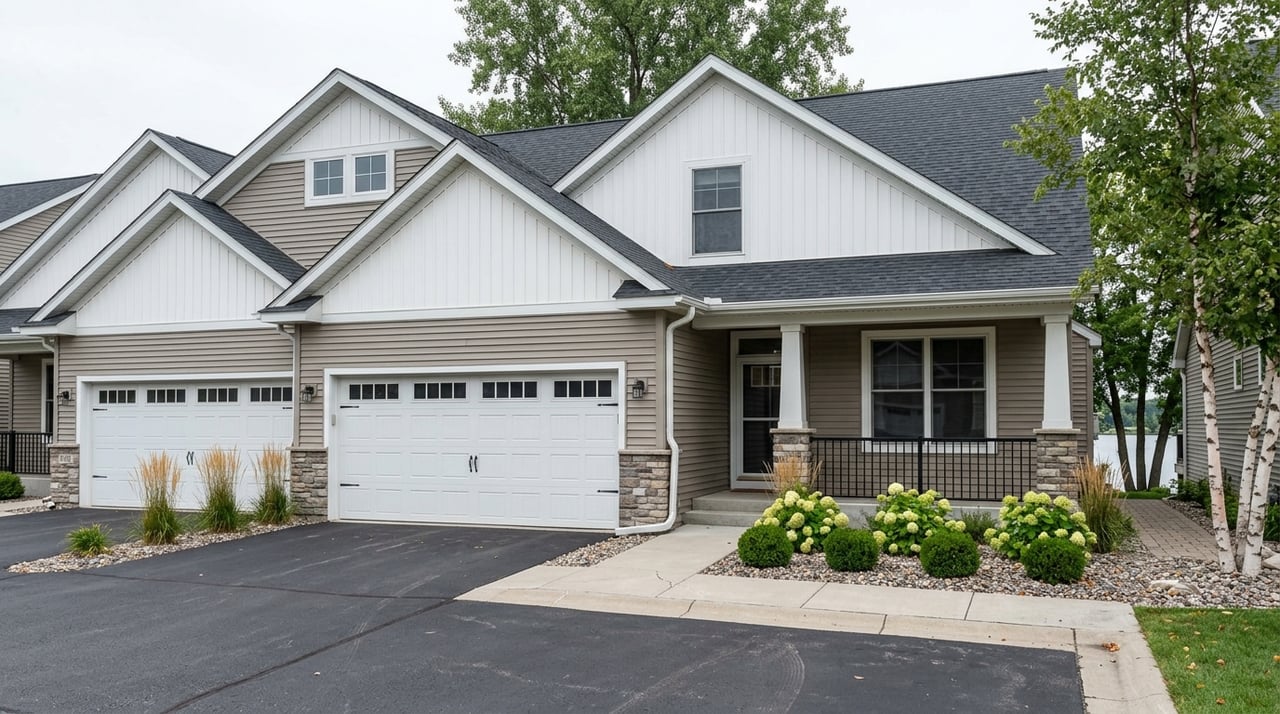
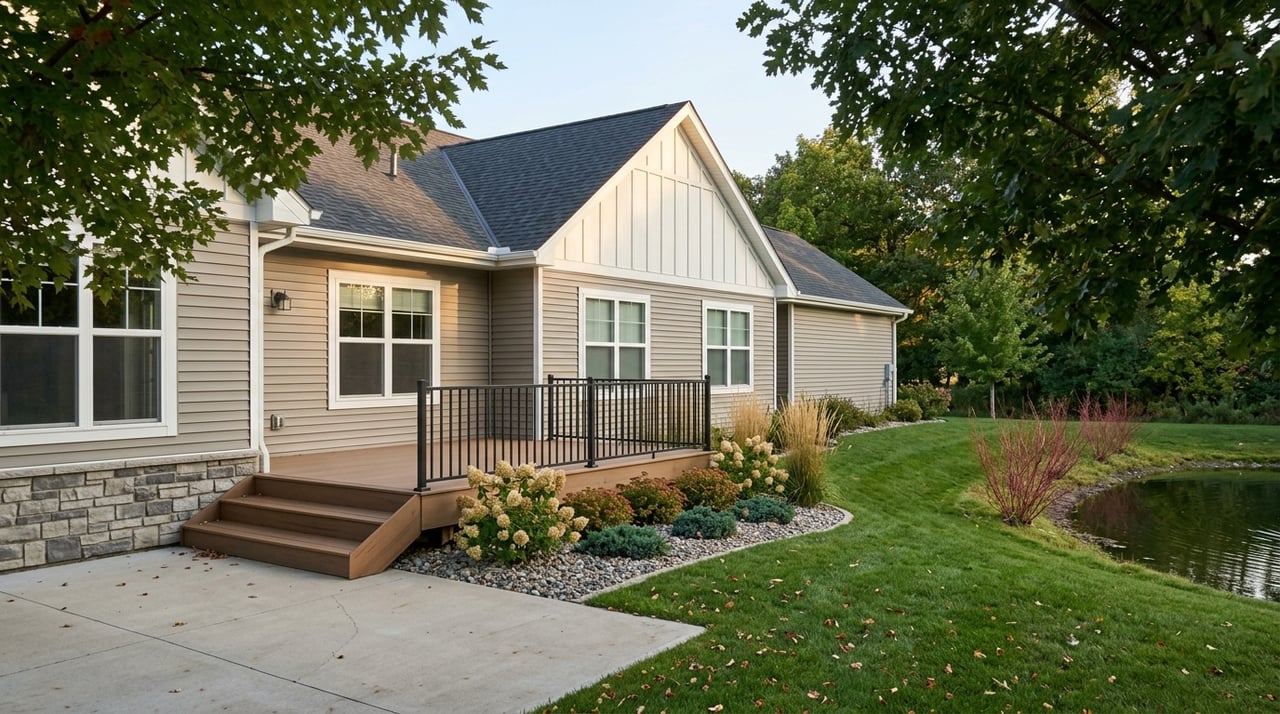
In Mound, near-lake homes deserve their own category. They are not just a lesser version of lakeshore living. Thanks to the city’s unusual access structure, they can offer a real middle ground between direct frontage and a more traditional in-town home.
The city’s Docks & Commons Program is the largest municipally owned dock program in Minnesota, with capacity for up to 637 boats annually. Inland residents can access Lake Minnetonka through about 144 dock sites and 100 slip sites, although those sites are not transferable when a property sells and the city maintains a waitlist.
The city also operates 47 overnight slips at Lost Lake and provides transient docks at Lost Lake Greenway and Surfside Park. For many buyers, that adds meaningful flexibility without requiring ownership of the shoreline itself.
Why near-lake homes stand out
This option can give you lake recreation and a strong community lake feel without the full burden of direct frontage. You may still be able to boat, spend time by the water, and enjoy the rhythm of a lake community while keeping your homeownership responsibilities simpler.
That can be especially appealing if you love Lake Minnetonka but do not want every part of your property maintenance plan tied to shoreline conditions, dock repairs, or water-level changes.
What to understand before you buy
Commons and inland dock access work differently from direct lakeshore rights. Since inland sites are not transferable with a home sale, buyers should treat access as a city-administered opportunity rather than a property feature that automatically follows the house.
That distinction matters. If dock access is central to your goals, you will want to understand how the city’s waitlist and annual program structure could affect your timing and expectations.
Who near-lake homes fit best
Near-lake or commons-access homes often work well if you:
- Want boating or lake recreation without owning shoreline
- Prefer a balance between access and maintenance
- Value the feel of a lake community
- Are flexible about how lake access is arranged
For many households, this is the sweet spot. You stay connected to the water, but with fewer shoreline-specific responsibilities.
In-town homes in Mound
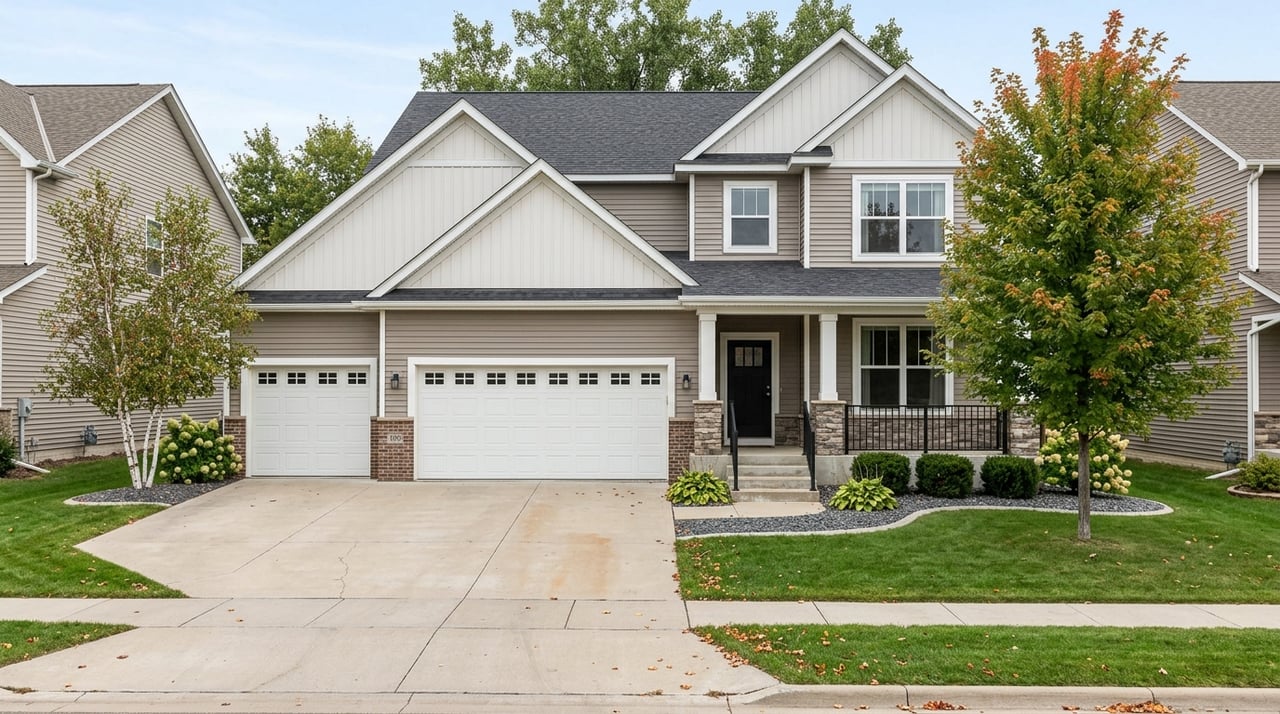
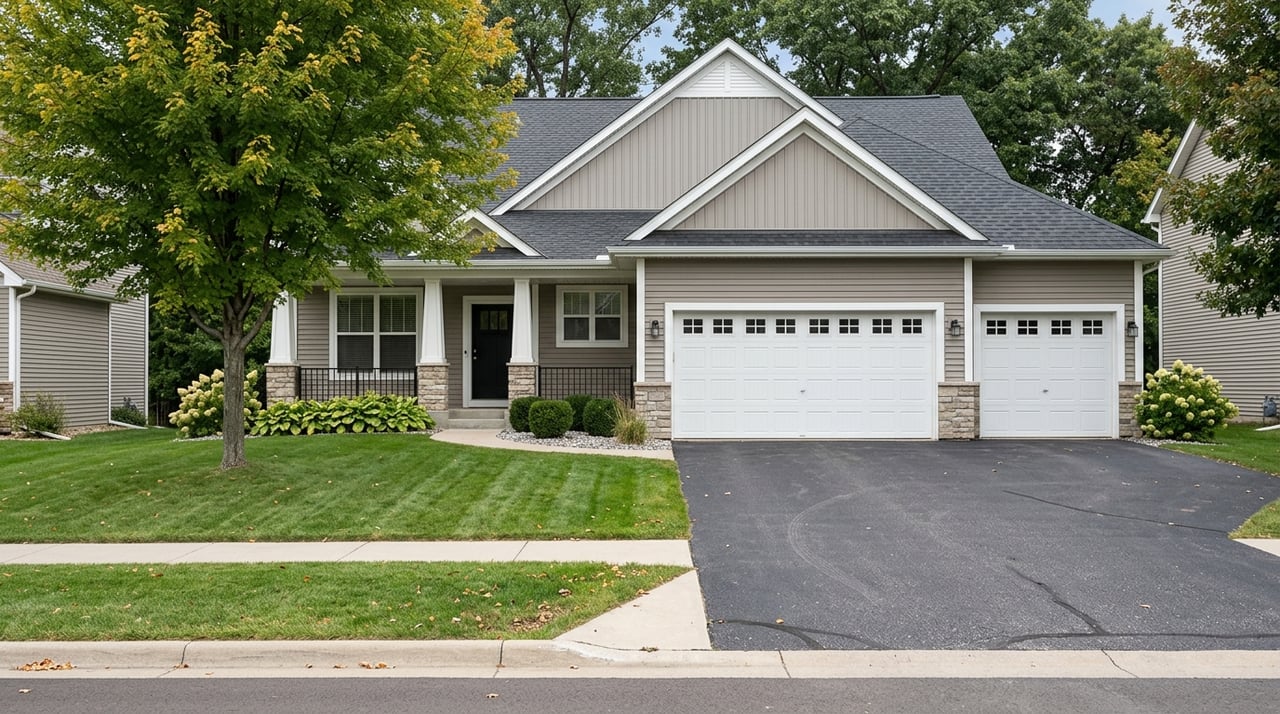
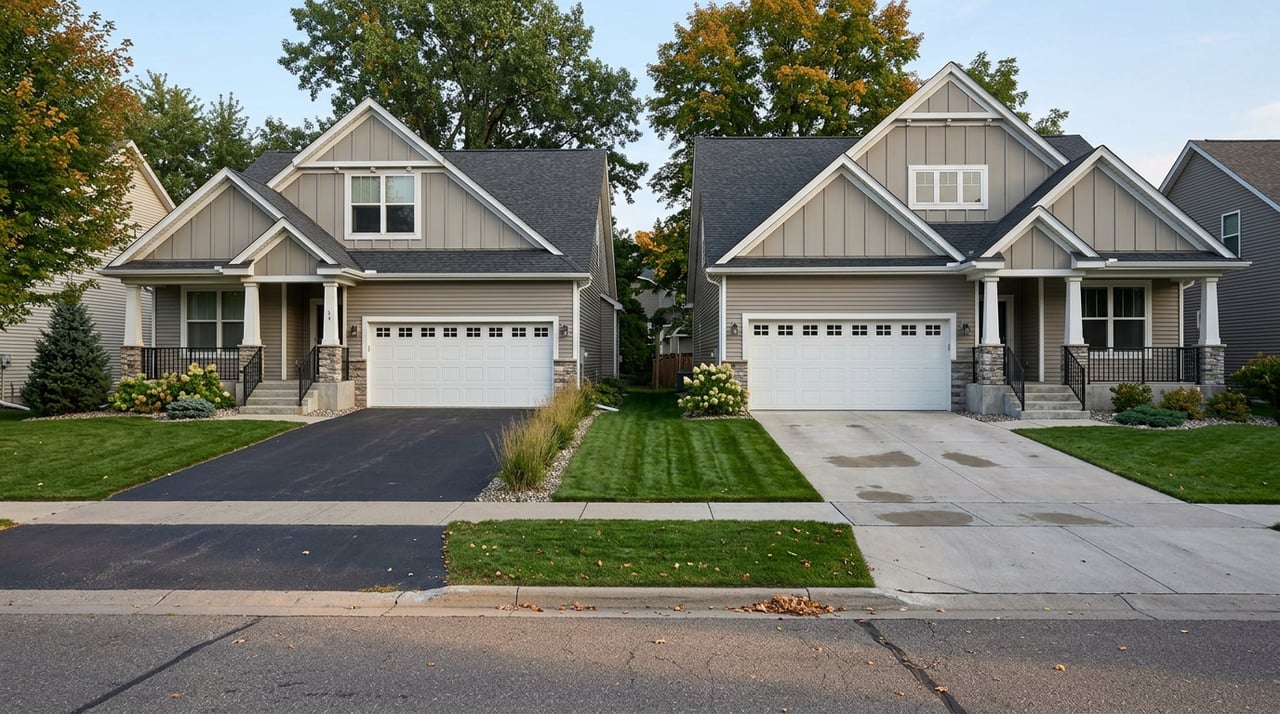
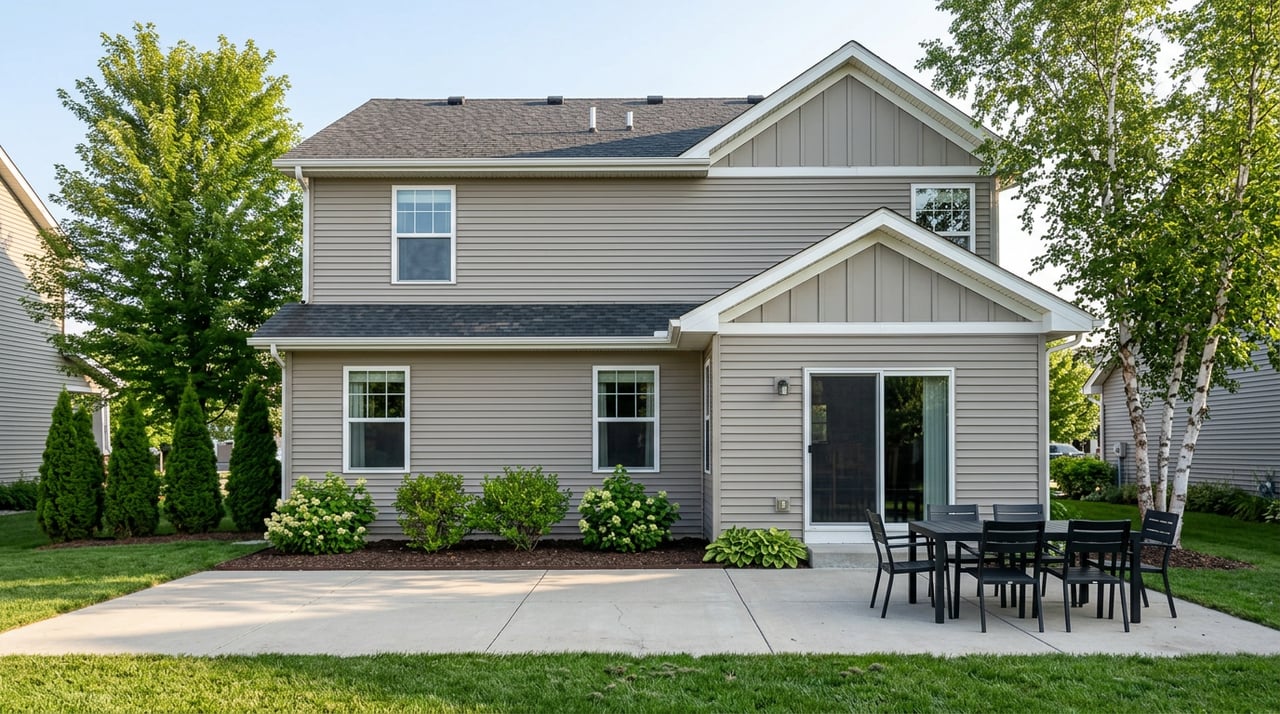
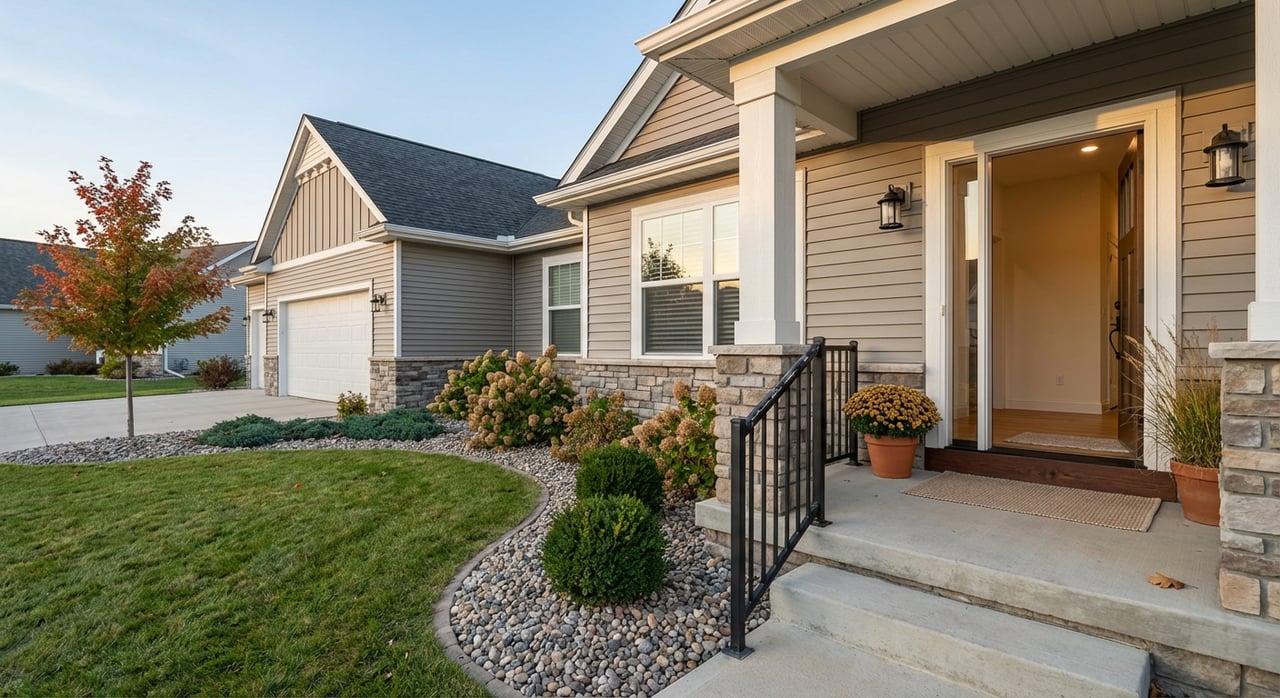
In-town homes can be the most flexible choice in Mound. They often make sense for buyers who want a broader set of home options, simpler upkeep, and a budget approach that leaves more room for other priorities.
That does not mean giving up Mound’s lake-centered identity. Because the city is compact and offers parks, trails, and dock access, a non-lakeshore home can still feel very connected to the community’s outdoor lifestyle.
The city reports a 75.0% owner-occupied housing unit rate, and Census QuickFacts lists a median owner-occupied home value of $370,800 for 2020 through 2024. That figure is best used as a broad baseline for the Mound market, not as a pricing guide for every property type.
Why in-town homes appeal to many buyers
In-town ownership is usually simpler. You are less likely to deal with shoreline erosion concerns, lake-level impacts, or the permit coordination that can come with waterfront property.
You may also have more flexibility in your search. If your priorities include home size, layout, yard use, proximity to parks, or a lower-maintenance ownership experience, in-town options can open up more paths.
Who in-town homes fit best
In-town homes often make the most sense if you:
- Want simpler ownership and upkeep
- Prefer more flexibility in your home search
- Want to stay connected to Mound amenities without direct lake frontage
- Need a practical balance between lifestyle and budget
For buyers who want to enjoy Mound as a community first and the lake as an amenity second, this category can be a strong long-term fit.
Comparing the three options
If you are deciding between these paths, it helps to think in terms of lifestyle and responsibility rather than just location.
| Home type | Best for | Main advantage | Main tradeoff |
|---|---|---|---|
| Direct lakeshore | Buyers who want immediate water access | Private, seamless lake use | More upkeep, regulation, and shoreline responsibility |
| Near-lake with commons access | Buyers who want lake recreation without frontage | Strong lake access with less shoreline burden | Access is city-administered and not transferable with sale |
| In-town | Buyers who want flexibility and simpler ownership | Broader options and easier maintenance | No built-in private shoreline access |
How to choose the right fit for you
The best choice usually comes down to how you want to live, not just what looks appealing in photos. A beautiful lakeshore property may not be the right fit if you do not want the added maintenance or rules that come with it.
On the other hand, an in-town or near-lake home can be the smarter match if you want to enjoy Mound’s parks, trails, dock programs, and community setting without taking on full waterfront ownership. In a city with so many public lake access points, your daily lifestyle may matter more than the label attached to the listing.
As you compare homes, ask yourself:
- How often do you expect to be on the water?
- Do you want direct access, or would shared or program-based access work well?
- How much maintenance are you comfortable handling?
- Is your top priority convenience, flexibility, or simplicity?
- How long do you expect this home to fit your lifestyle?
Clear answers to those questions can help narrow your search faster and with more confidence.
If you want help weighing lakefront, near-lake, and in-town options in Mound, Ben Hahn can help you compare the lifestyle tradeoffs and find the right fit for your next move.
FAQs
What is the difference between lakeshore and near-lake homes in Mound?
- In Mound, direct lakeshore homes sit on the water and typically offer immediate private access, while near-lake homes may rely on the city’s Docks & Commons Program or other public access options rather than owning shoreline directly.
Are dock rights transferable with a home sale in Mound?
- Abutting dock sites connected to adjacent lakeshore property are transferable when that property is sold, but inland residents’ dock and slip access through the city program is not transferable and may involve a waitlist.
Are in-town homes still connected to the Lake Minnetonka lifestyle in Mound?
- Yes. Mound’s compact size, parks, public dock sites, and trail access mean many in-town homes still feel tied to the city’s lake-oriented lifestyle.
What maintenance should you expect with a lakeshore home in Mound?
- Lakeshore ownership may involve dock upkeep, shoreline care, attention to water-level changes, and permit coordination for some shoreline alterations or aquatic plant activities.
Is direct lakeshore always the best option for buyers in Mound?
- Not always. Direct lakeshore offers the most immediate access, but near-lake and in-town homes may be a better fit if you want simpler maintenance, more flexibility, or a different balance between lifestyle and responsibility.