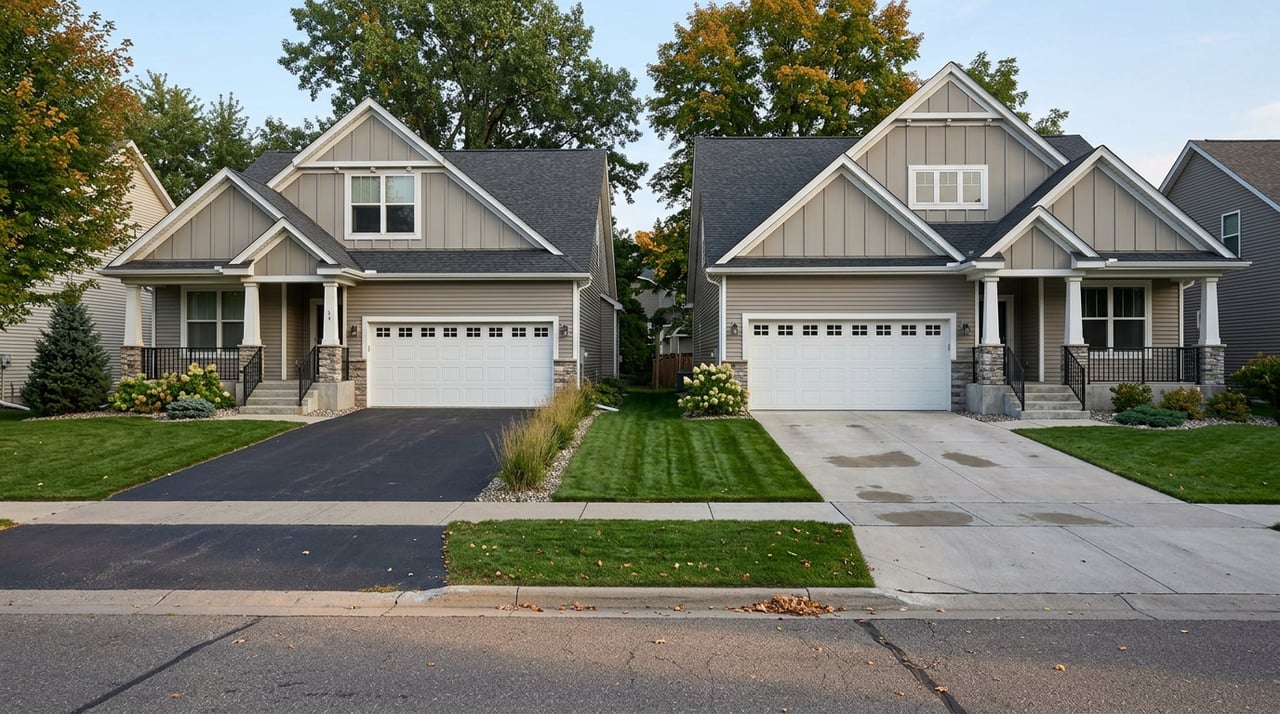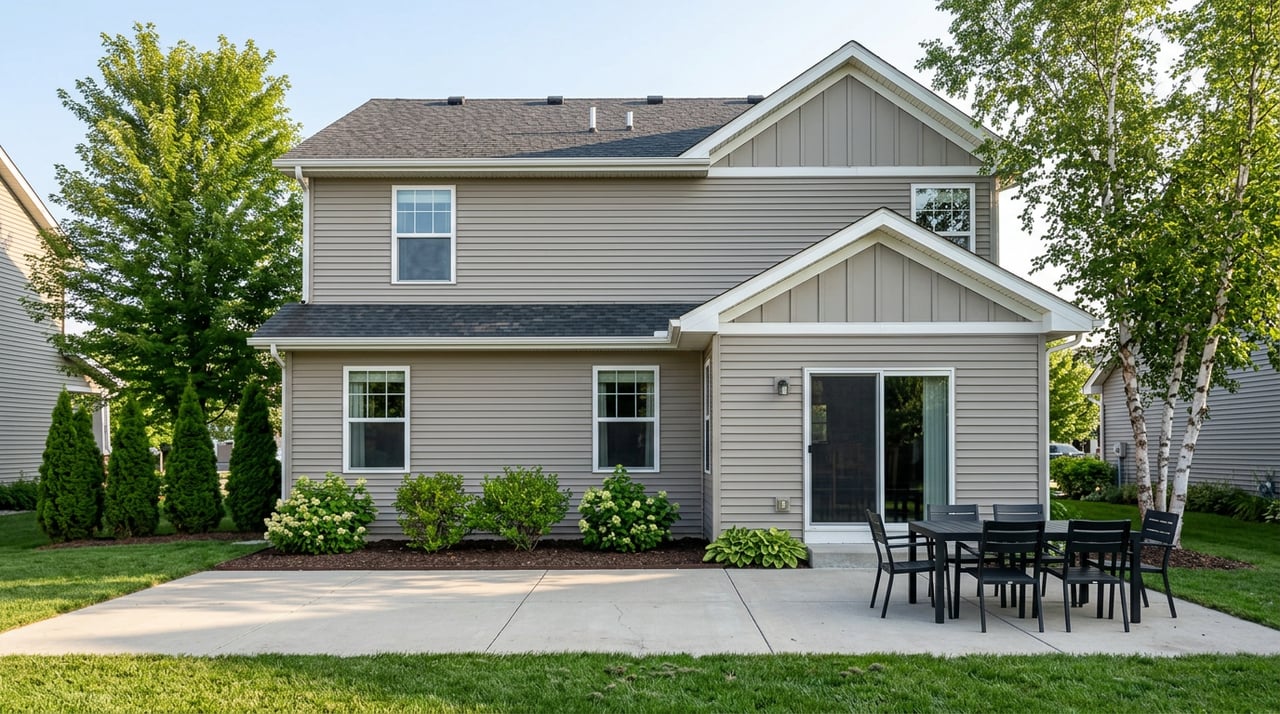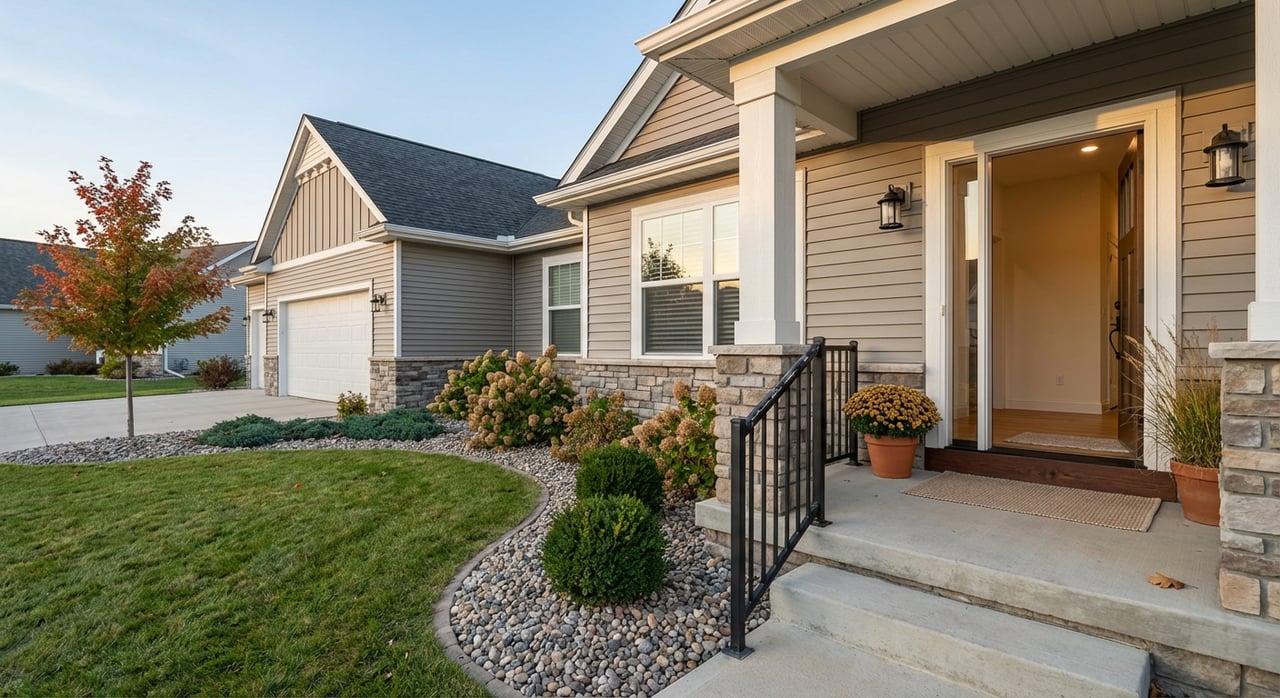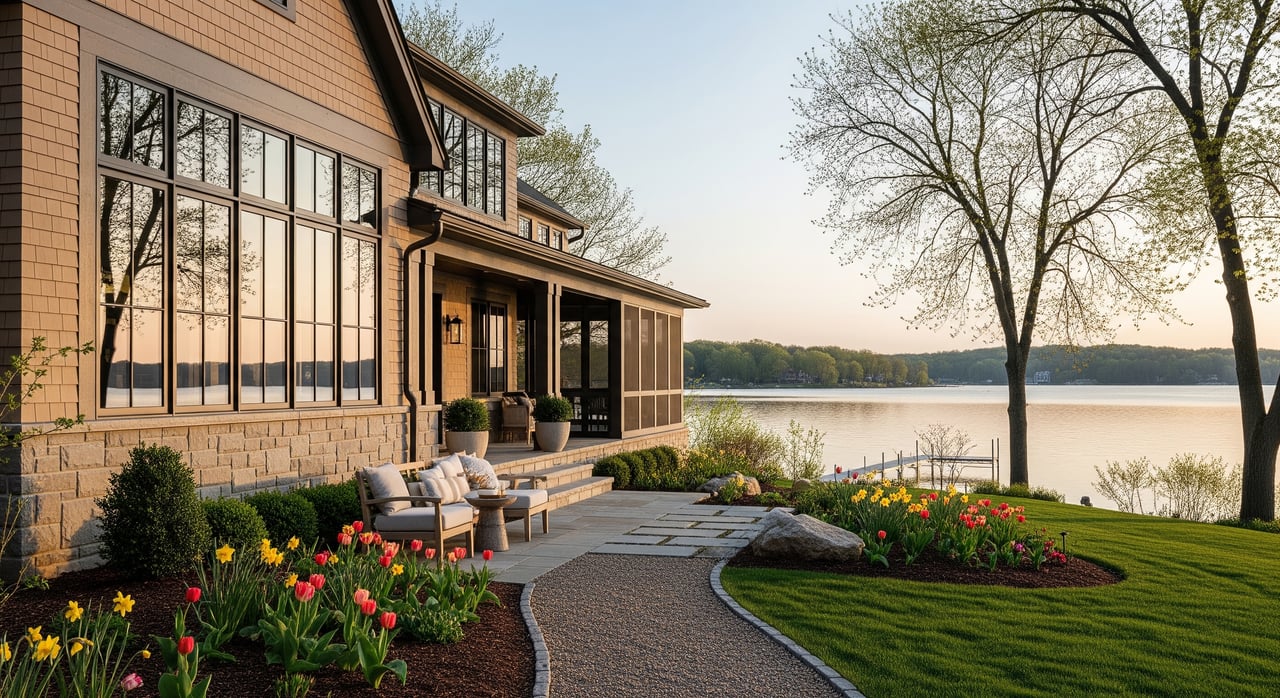
If you are wondering whether Mound feels like a lake town, a suburb, or something in between, the honest answer is: a little of both. Day to day, life here tends to revolve around home, the water, parks, trails, and a smaller-scale local routine than you might find closer to the urban core. If you are considering a move, understanding that rhythm can help you decide whether Mound fits the way you want to live. Let’s dive in.
Mound feels close-knit and lake-centered
Mound is a compact city on the western shore of Lake Minnetonka, about 20 miles west of Minneapolis. The city covers 4.96 square miles, and the Census estimates its 2025 population at 9,064. That smaller footprint shapes daily life in a very practical way.
You are not moving into a dense downtown environment with endless commercial corridors. Instead, you are stepping into a settled residential community where many routines happen close to home. Census data also shows a 75.0% owner-occupied housing rate and a 31.0-minute mean travel time to work, which supports the idea of Mound as a residential, commuter-friendly city with a strong home base.
Lake access is part of everyday life
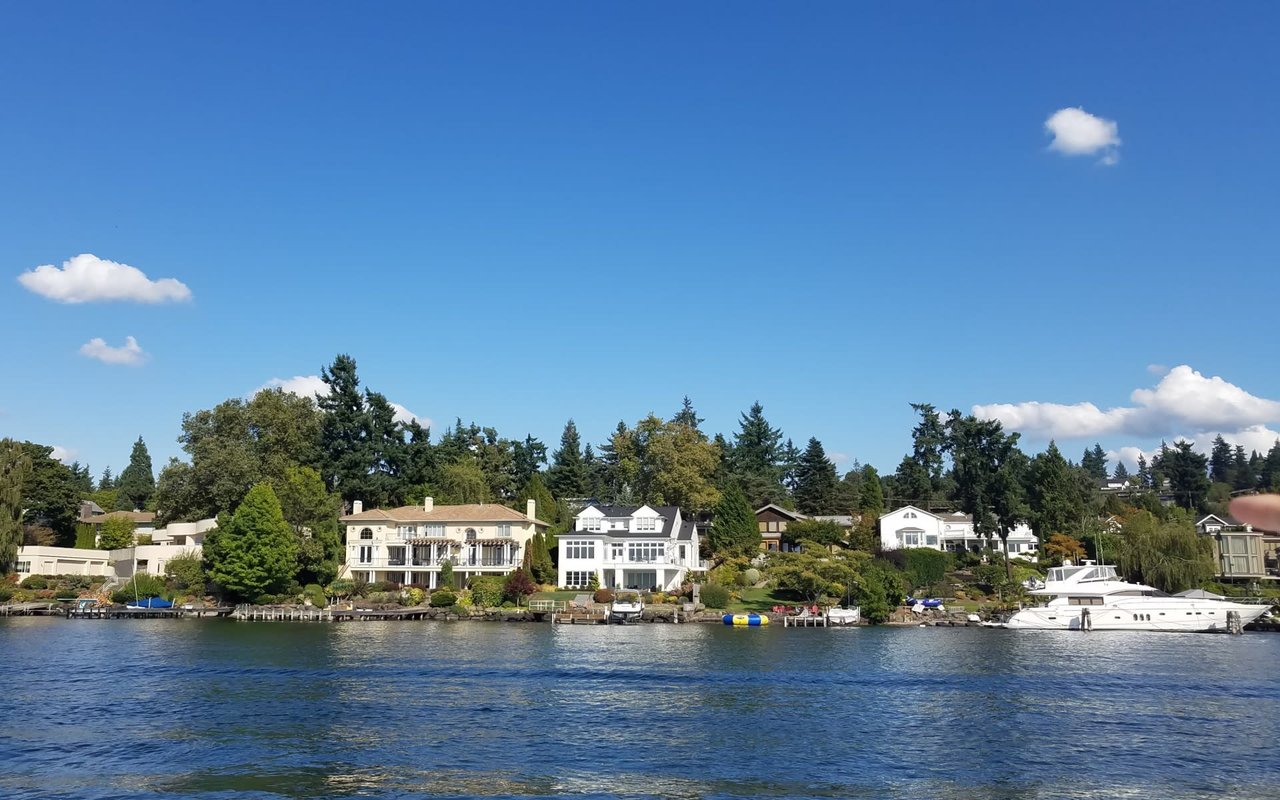
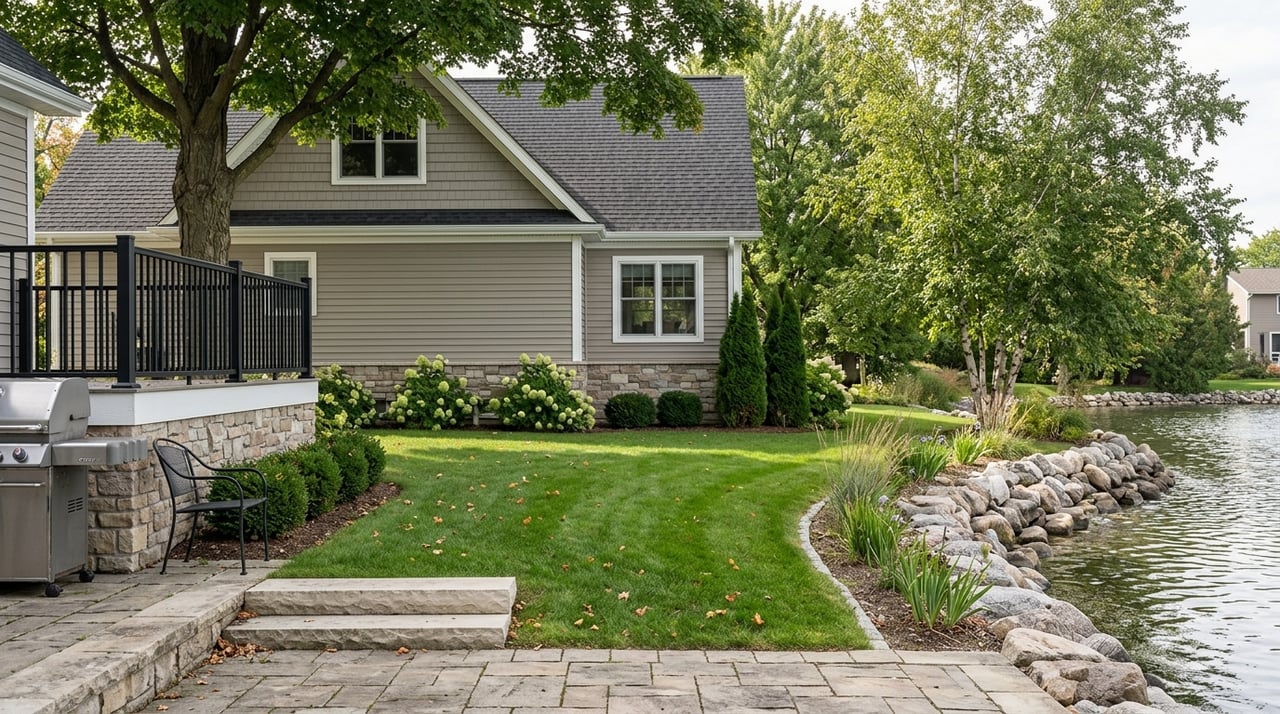
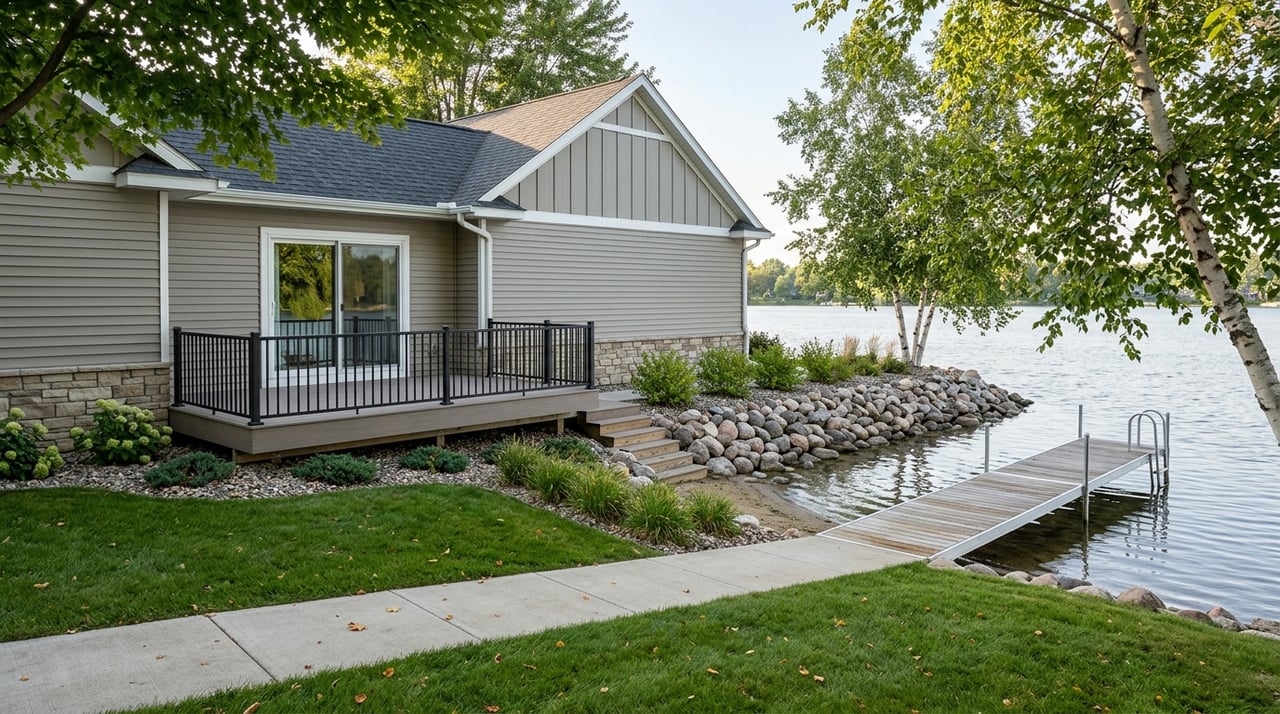
One of the biggest differences in Mound is that lake access is not limited to a small group of waterfront homeowners. The city says inland residents can access Lake Minnetonka through its dock and slip program, and in many cases those sites are a short walk from home. That creates a lifestyle where the lake can be part of your normal week, not just an occasional outing.
The city describes its Docks & Commons Program as the largest municipally owned dock program in Minnesota. It permits up to 637 boats annually on Lake Minnetonka and includes inland dock sites, slip sites, abutting dock sites, overnight slips on Lost Lake, and transient docks at Lost Lake Greenway and Pier and Surfside Park & Beach. For many residents, that means boating and waterfront access are woven into ordinary life.
The city’s broader shoreline setup adds to that feeling. Mound’s comprehensive plan notes six public shores in residential neighborhoods that provide lake views and waterfront access, even though motorboat access and swimming are not allowed at those spots. It also notes seasonal and year-round access points that support winter activities like snowmobiling and ice fishing.
Parks and beaches shape the weekly routine
Mound offers a long list of outdoor spaces for a city its size. The city says it has 37 public parks and open spaces, along with 311 public dock sites. That amount of public outdoor access gives daily life a strong outdoor component.
You see that most clearly in the city’s beach and park options. Surfside Park & Beach includes a picnic and BBQ area, playground, beach, beach volleyball, fishing, and a rentable Depot Building. Sherven Park & Beach includes a picnic and BBQ area, playground, open play field, and beach.
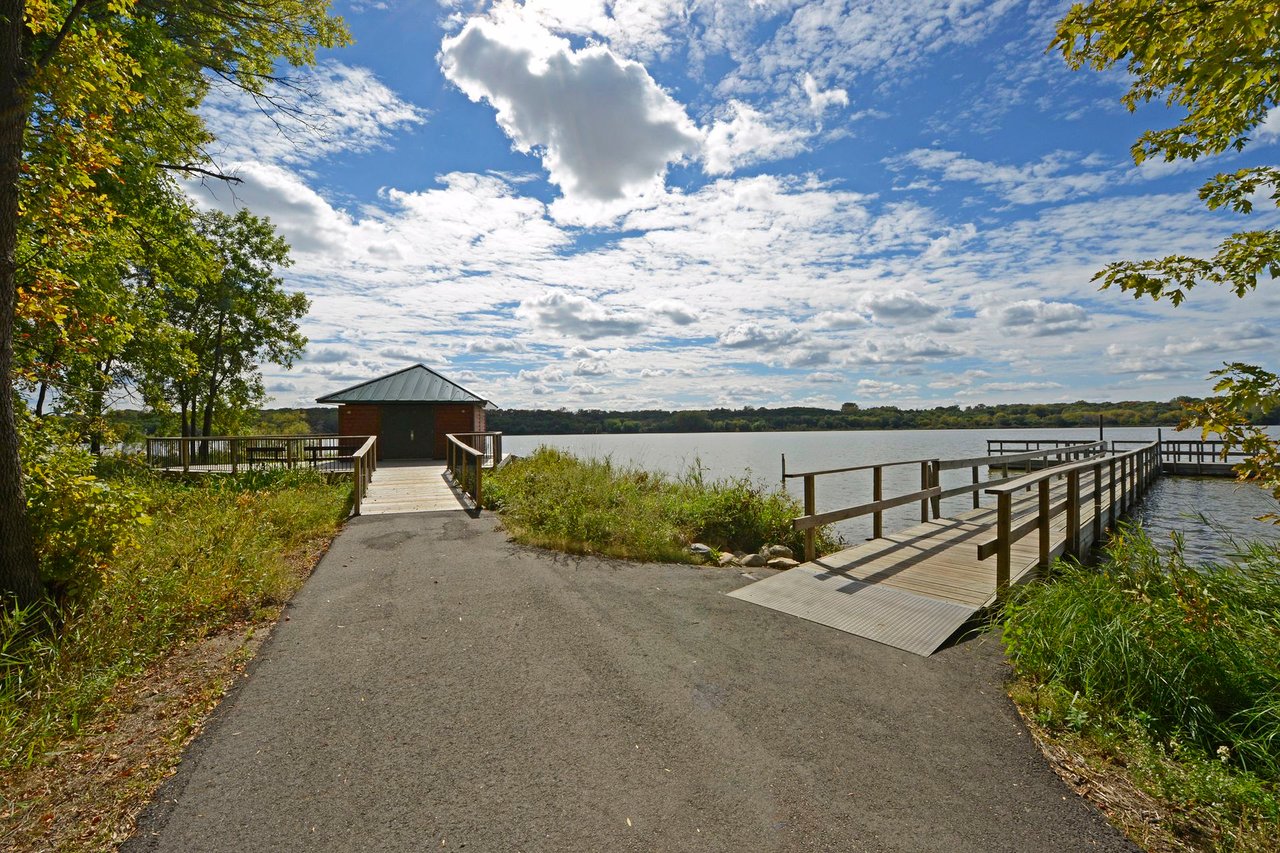
Centerview Beach includes a picnic and BBQ area, nature area, beach, and fishing, and the city handbook also notes a city-owned fishing pier at Centerview Park on Harrison Bay. Bluffs Beach Park offers fishing and shoreline access, while Wychwood Beach Park adds another public beach option. In practical terms, that means a quick trip to the beach, the playground, or a fishing spot can be part of an ordinary weekday, not just a planned weekend event.
The Dakota Rail Trail adds easy recreation
Outdoor life in Mound is not only about getting on the water. The Dakota Rail Regional Trail runs 21.3 miles from Wayzata to Mayer, and the city highlights its paved bike and walking route with lake views. For residents, that creates another easy way to build movement and scenery into the day.
That matters if you want a community where a walk or bike ride feels built in. Whether you are out for exercise, pushing a stroller, or just looking for a low-key way to spend an evening, the trail supports a simple, accessible routine. It reinforces Mound’s overall pace: active, scenic, and tied closely to the outdoors.
Local businesses keep the rhythm personal
Mound’s business scene is more compact than what you would find in larger suburban retail hubs. The city points to Westonka Community & Commerce as the local business networking organization serving Mound and the northwest Lake Minnetonka area. That alone says something about the local character: the business community is organized around connection and local participation.
City business listings show several visible stops along Commerce Boulevard, including Surfside Bar & Grill, PennyWise Thrift Store, The Langdon, the Gillespie Center, and Westonka Food Shelf. The mix leans toward service-oriented, familiar local places rather than major big-box retail. For you as a resident, that often translates into a more personal, repeat-face kind of routine.
Instead of feeling anonymous, daily errands and outings can feel more community-based. You are likely to notice the same places, the same corridors, and many of the same people over time. That smaller commercial footprint is part of what gives Mound its local identity.
Seasonal events help neighbors reconnect
Another part of daily life in Mound is the seasonal event calendar. The city highlights recurring events throughout the year, including Mound Farmers' Market & More from May through October, the Fire Department Fish Fry & Dance in June, Spirit of the Lakes Festival in July, Westonka Dog Days in August, Our Lady of the Lake Incredible Festival in September, and Tonka Brew Fest in November.
These events help shape the social rhythm of the city. Rather than relying on large-scale entertainment districts, Mound’s calendar creates recurring local moments that bring people together across the warmer months and into fall. If community feel matters to you, this kind of event pattern often becomes a meaningful part of how a place feels to live in.
Commuting from Mound is workable
Mound is still connected to the Twin Cities workday, even with its lake-centered setting. Metro Transit says the Mound Transit Center opened in 2007 after the Highway 15 realignment and includes a three-level municipal parking ramp with 176 spaces. Of those, 50 spaces are reserved for Metro Transit Park & Ride customers.
Metro Transit lists Route 645 as limited-stop service to downtown Minneapolis and Route 677 as express service to downtown Minneapolis from the Mound Transit Center. Combined with the city’s location about 20 miles from Minneapolis and the Census mean commute time of 31.0 minutes, that gives you a realistic picture: Mound can work for many Twin Cities commuters, but daily life still leans car-oriented.
For some households, that balance is exactly the point. You can live in a smaller, lake-oriented community while keeping access to downtown employment. The trade-off is that you will likely think more intentionally about driving, transit timing, and your weekly schedule than you might in a denser urban setting.
Winter changes the routine
Like much of Minnesota, Mound has a different rhythm when winter sets in. One practical detail the city makes very clear is overnight parking. Overnight on-street parking is prohibited from November 15 through April 15 between 2:00 a.m. and 6:00 a.m., whether or not there is snow on the ground.
The city says the rule exists because of snow removal and emergency access needs. It is a small detail, but it is exactly the kind of thing that shapes real day-to-day living. If you are planning a move, these practical routines matter just as much as the more obvious lifestyle benefits.
Winter also does not erase Mound’s connection to the lake. According to the city’s comprehensive plan, lake access points support winter uses like snowmobiling and ice-fishing access. So while the season changes how people use the outdoors, it does not remove the outdoor focus from life in town.
What life in Mound really feels like
Taken together, Mound feels like a lake-centered small-town suburb with a strong residential core. The parks, beaches, docks, trail access, and seasonal events all support a lifestyle that feels active and local without being fast-paced. At the same time, the commute patterns and transit center show that Mound still functions as part of the wider Twin Cities region.
If you are looking for a place where daily life includes shoreline access, neighborhood-scale amenities, and a recurring community rhythm, Mound offers a distinctive mix. It is not trying to be a major retail hub or an urban district. It feels more like home, lake, trail, local businesses, and seasonal routines, all tied together in one compact community.
If you are exploring homes in Mound or trying to figure out which Lake Minnetonka-area community fits your lifestyle, Ben Hahn can help you compare neighborhoods, understand the local rhythm, and make a confident move.
FAQs
What is daily life in Mound, Minnesota like?
- Daily life in Mound tends to center on home, Lake Minnetonka access, parks, beaches, trails, local businesses, and seasonal community events in a compact residential setting.
How easy is lake access in Mound for residents?
- Mound offers broad public lake access through its docks and commons system, public shores, beaches, and dock program, including access options for inland residents.
Is Mound a good place for commuters to Minneapolis?
- Mound is about 20 miles west of Minneapolis, has a mean commute time of 31.0 minutes, and offers service to downtown Minneapolis from the Mound Transit Center through Metro Transit routes 645 and 677.
What outdoor amenities are available in Mound?
- The city says Mound has 37 public parks and open spaces, 311 public dock sites, multiple beaches and fishing areas, and access to the 21.3-mile Dakota Rail Regional Trail.
What should new residents know about winter routines in Mound?
- New residents should know that overnight on-street parking is prohibited from November 15 through April 15 between 2:00 a.m. and 6:00 a.m., and winter lake access still supports activities like ice fishing and snowmobiling.