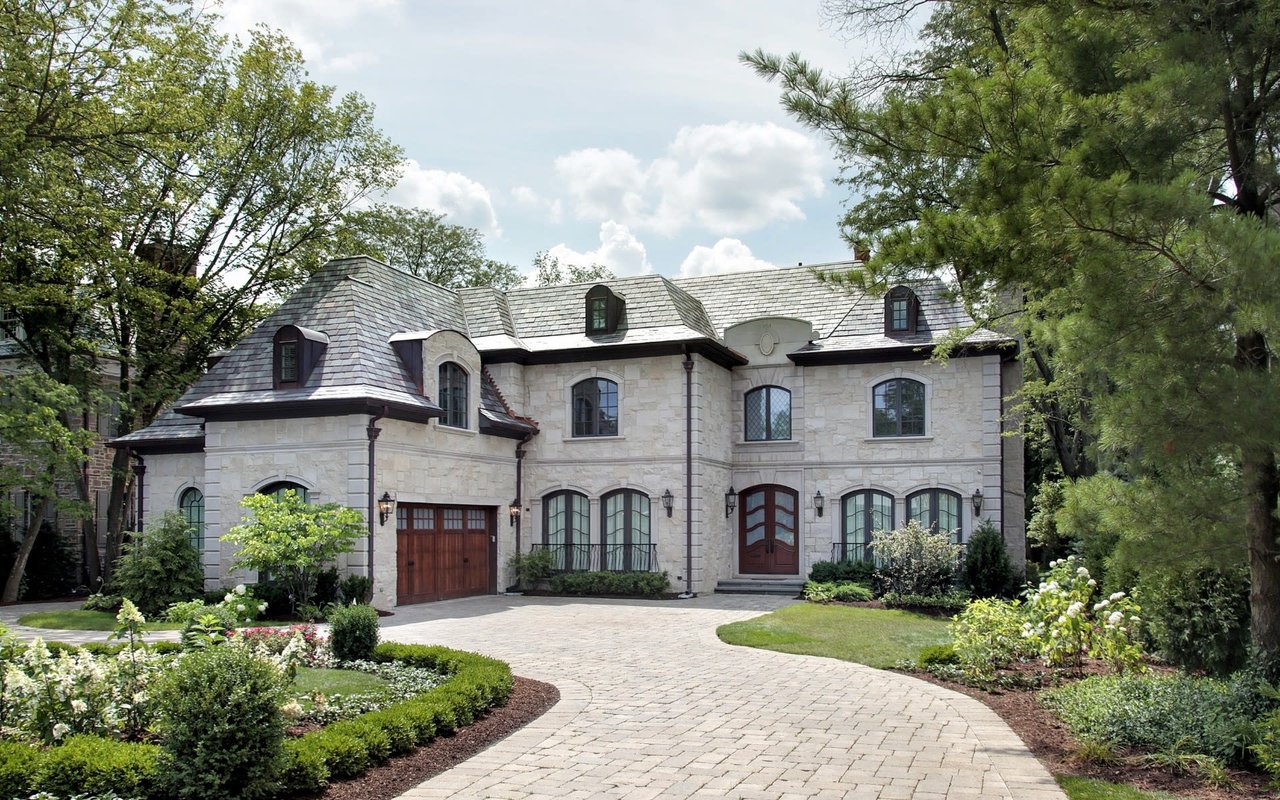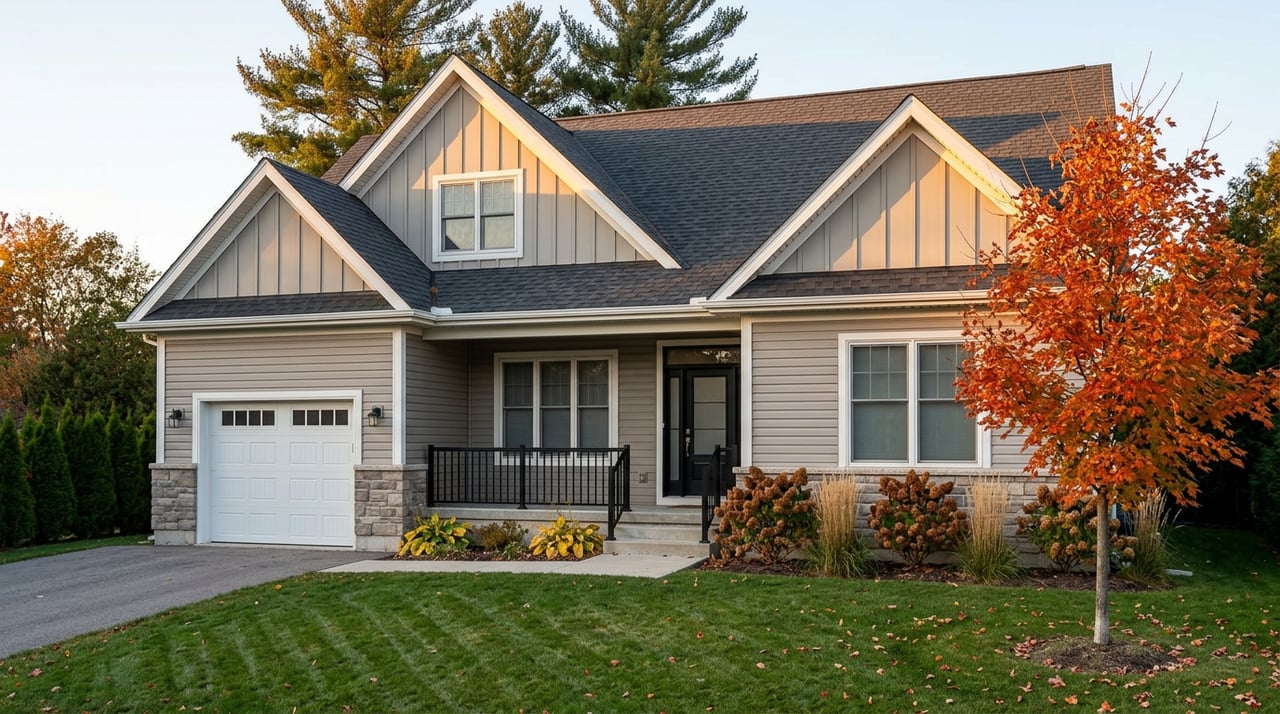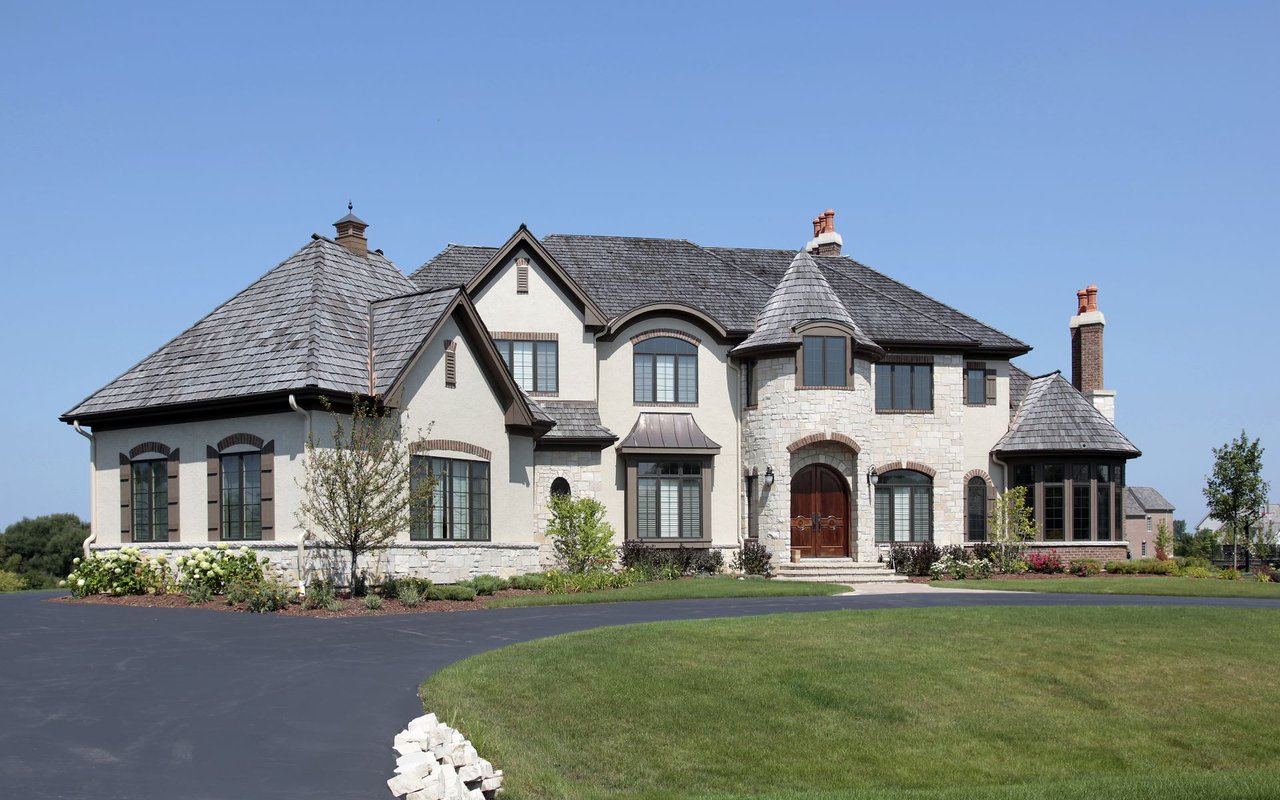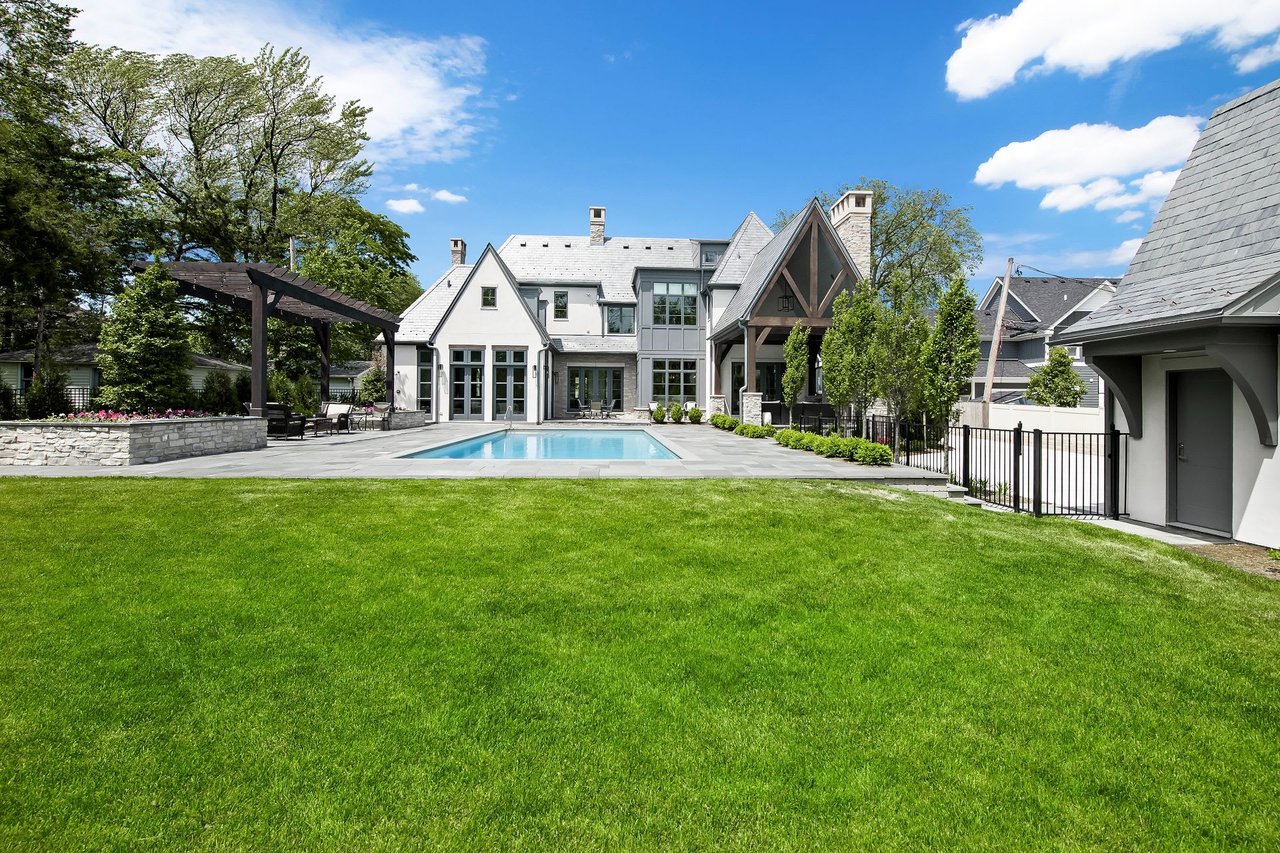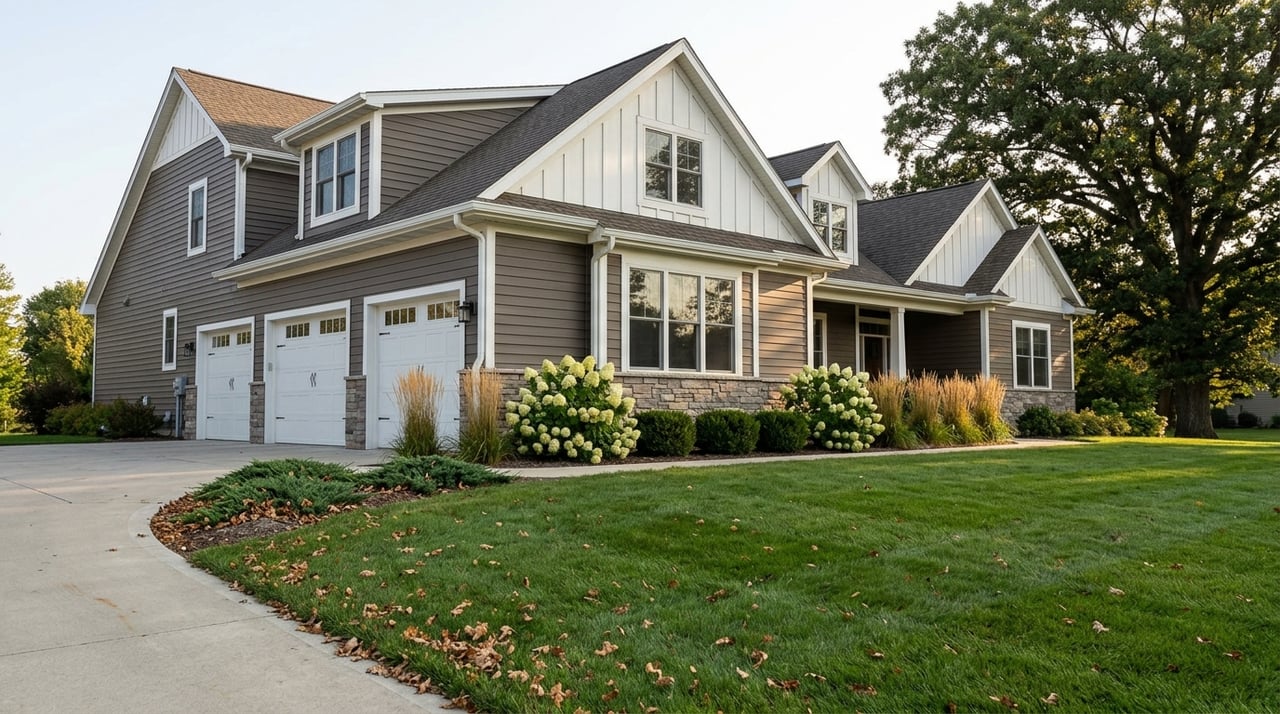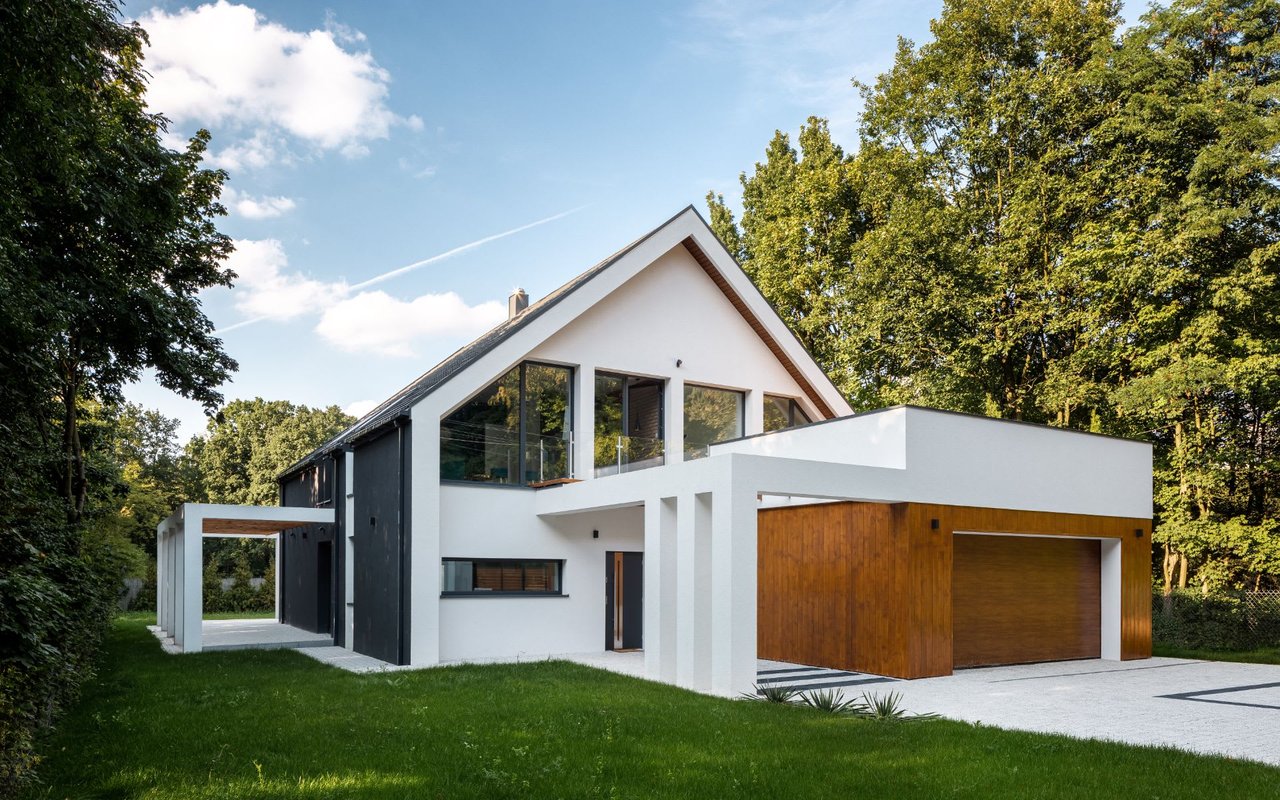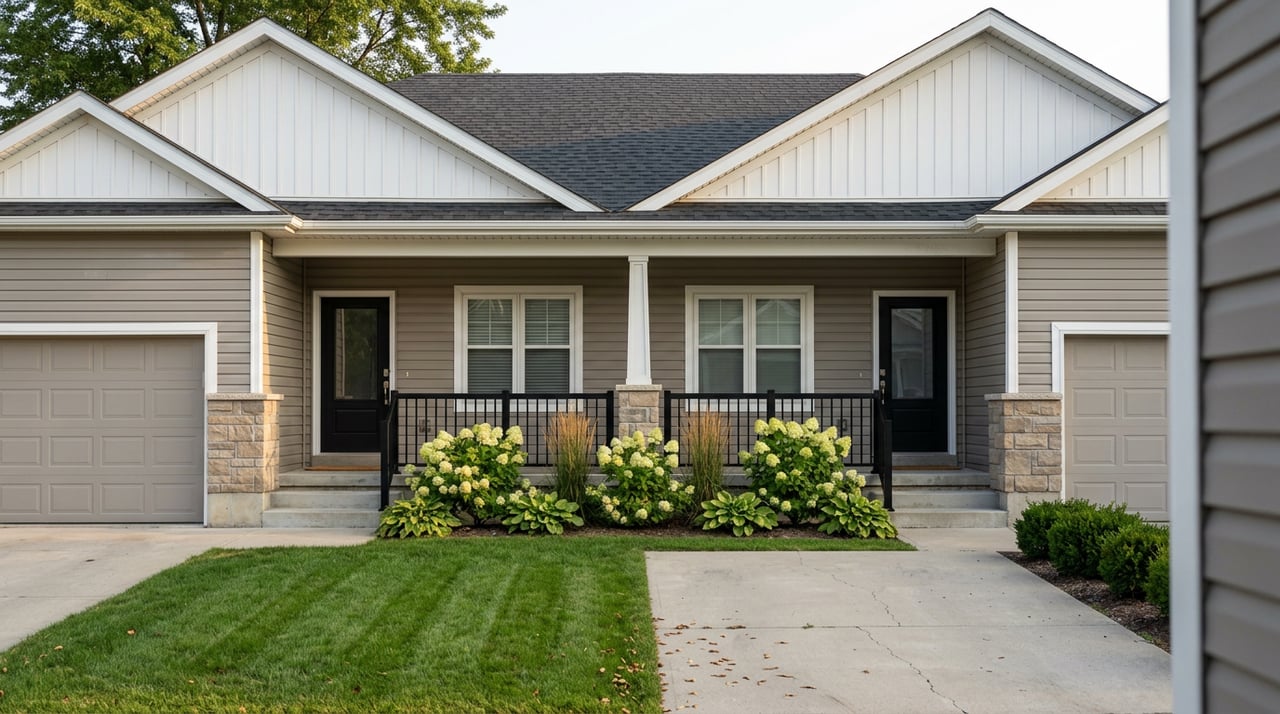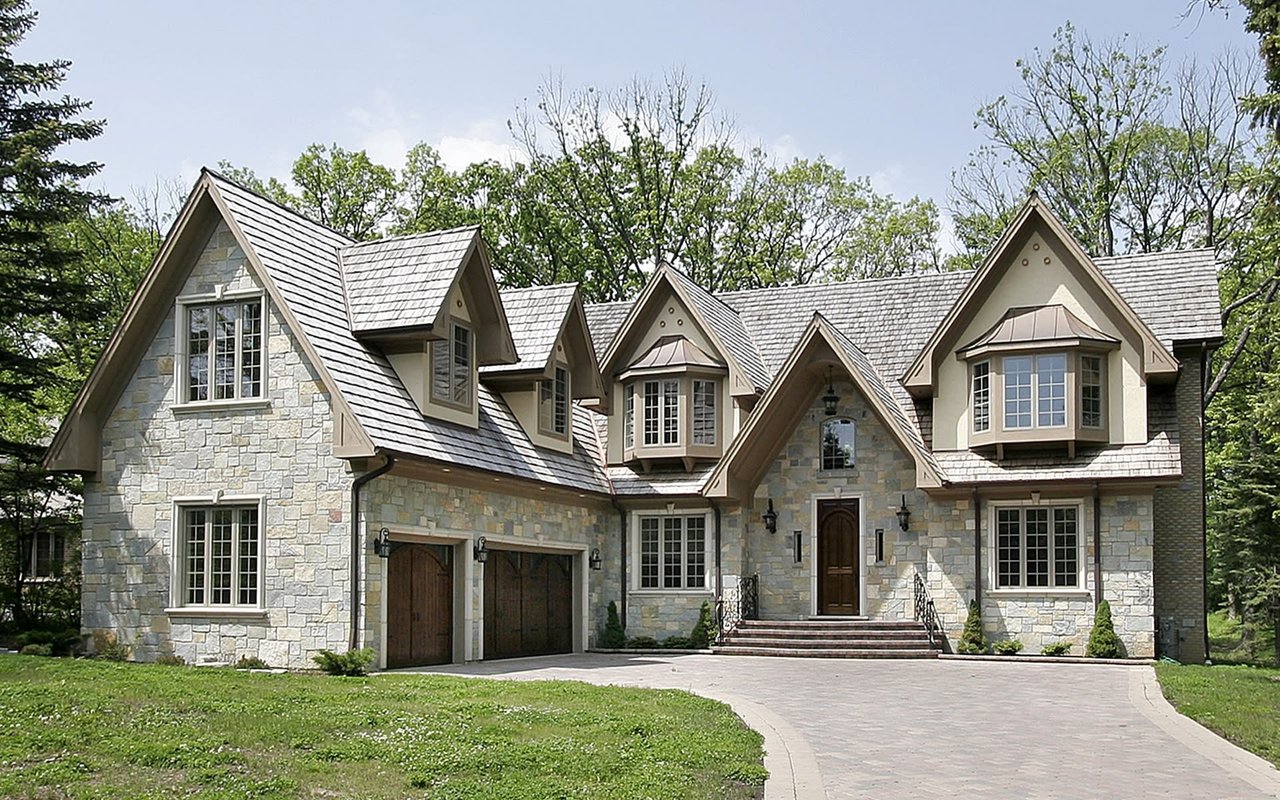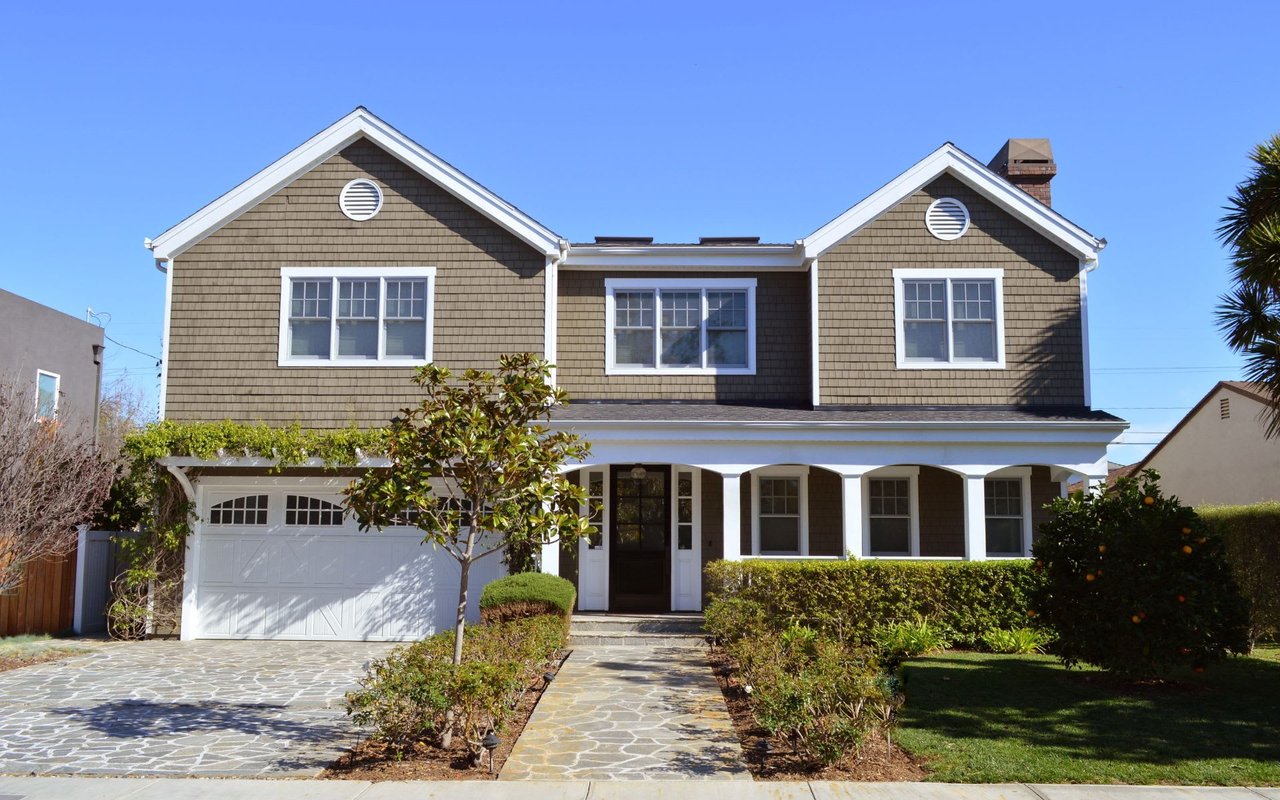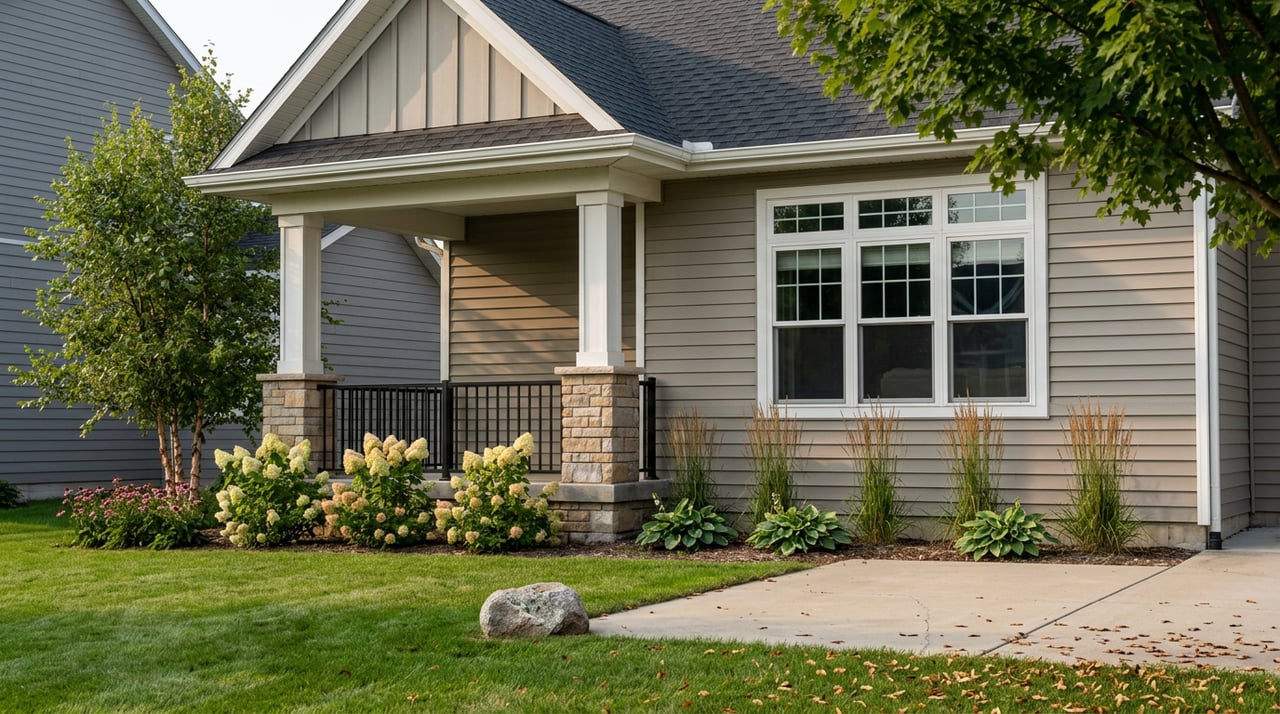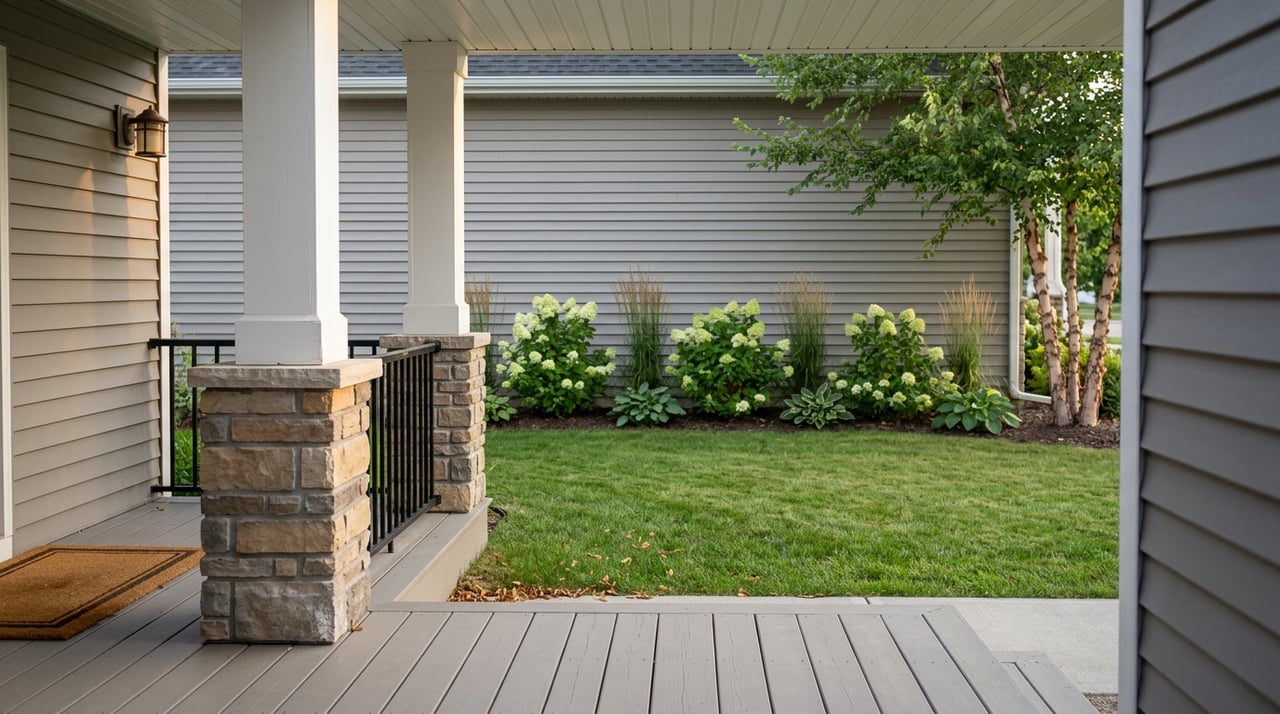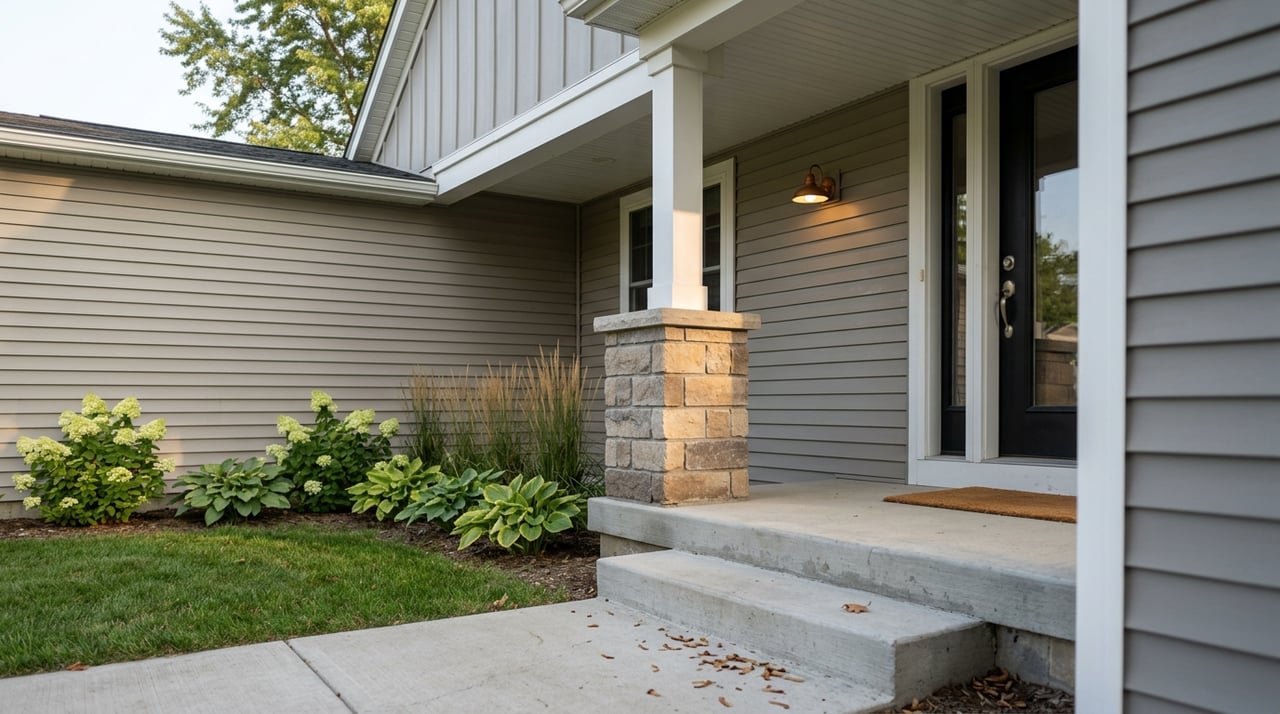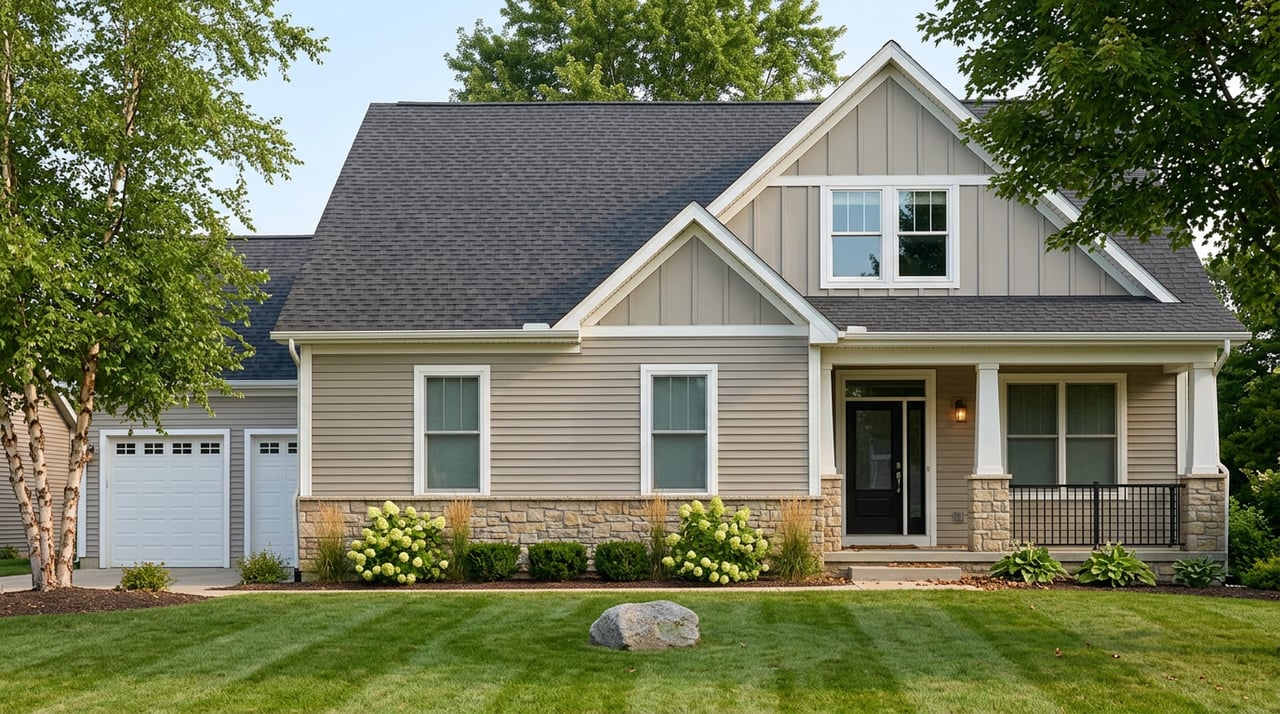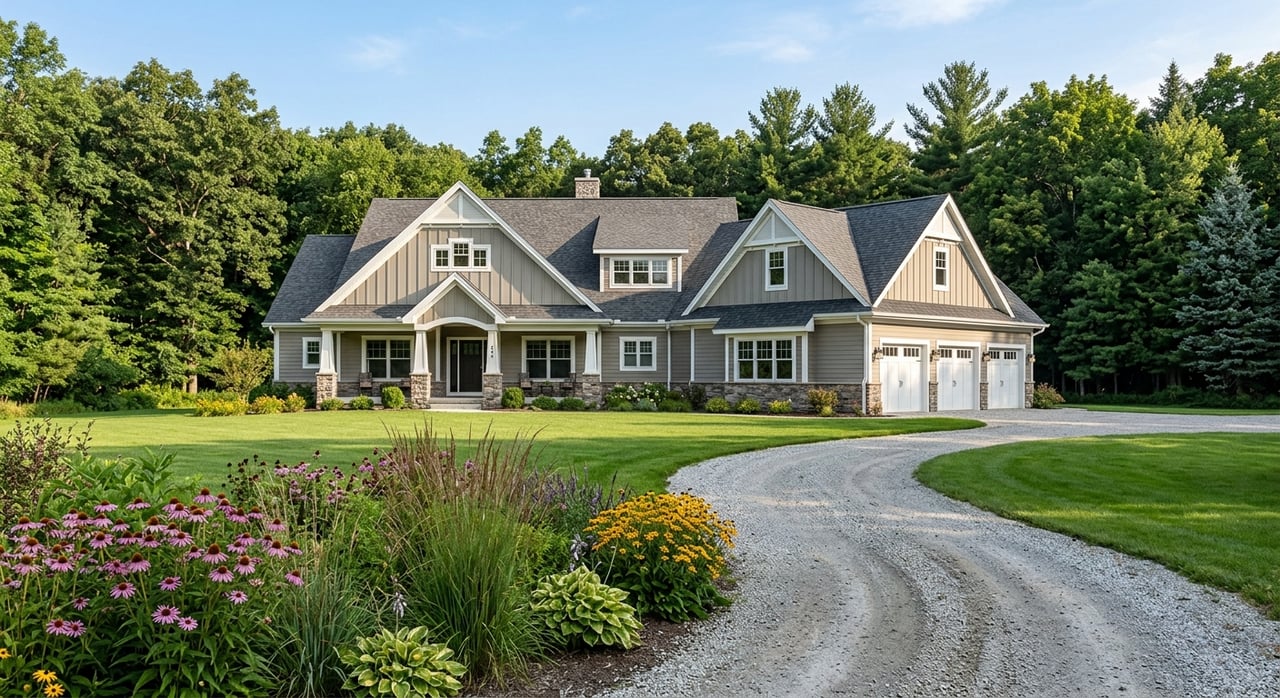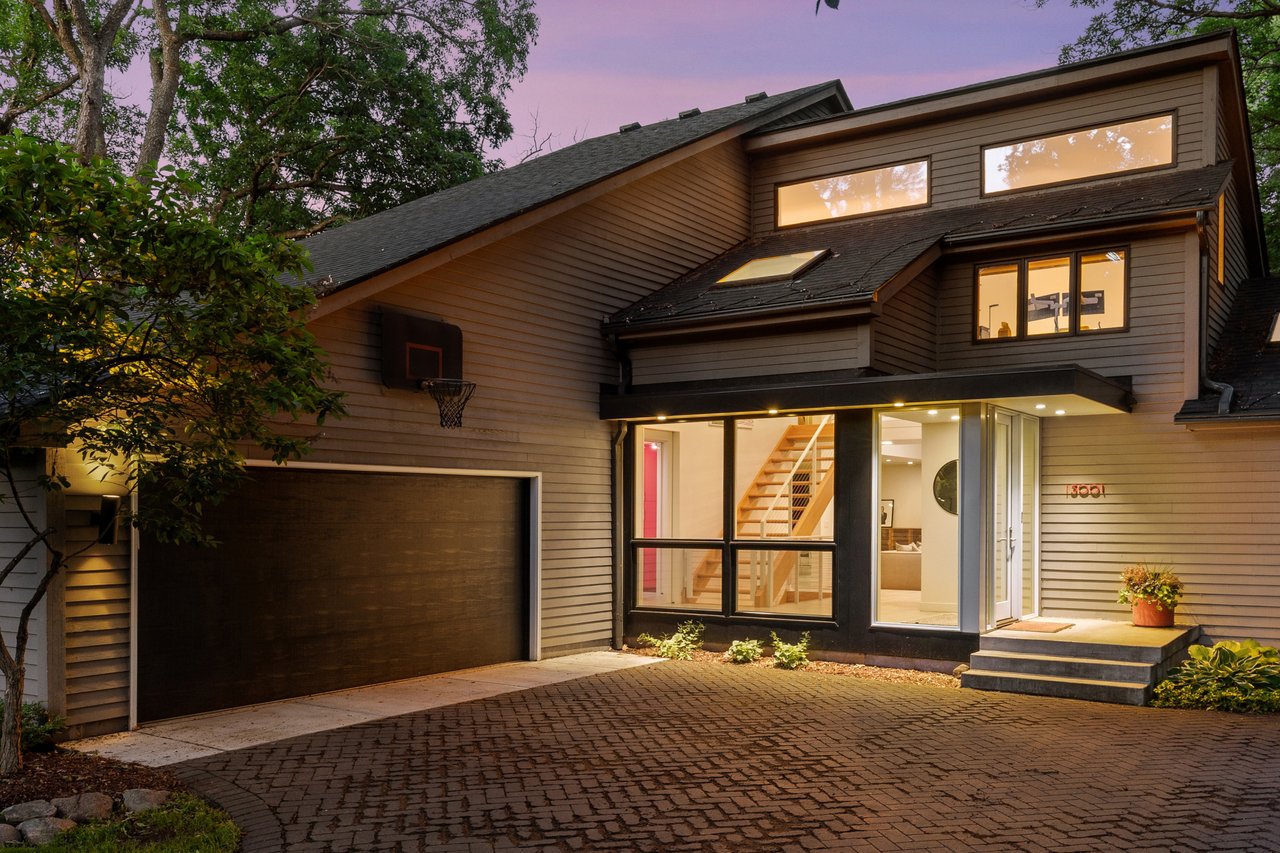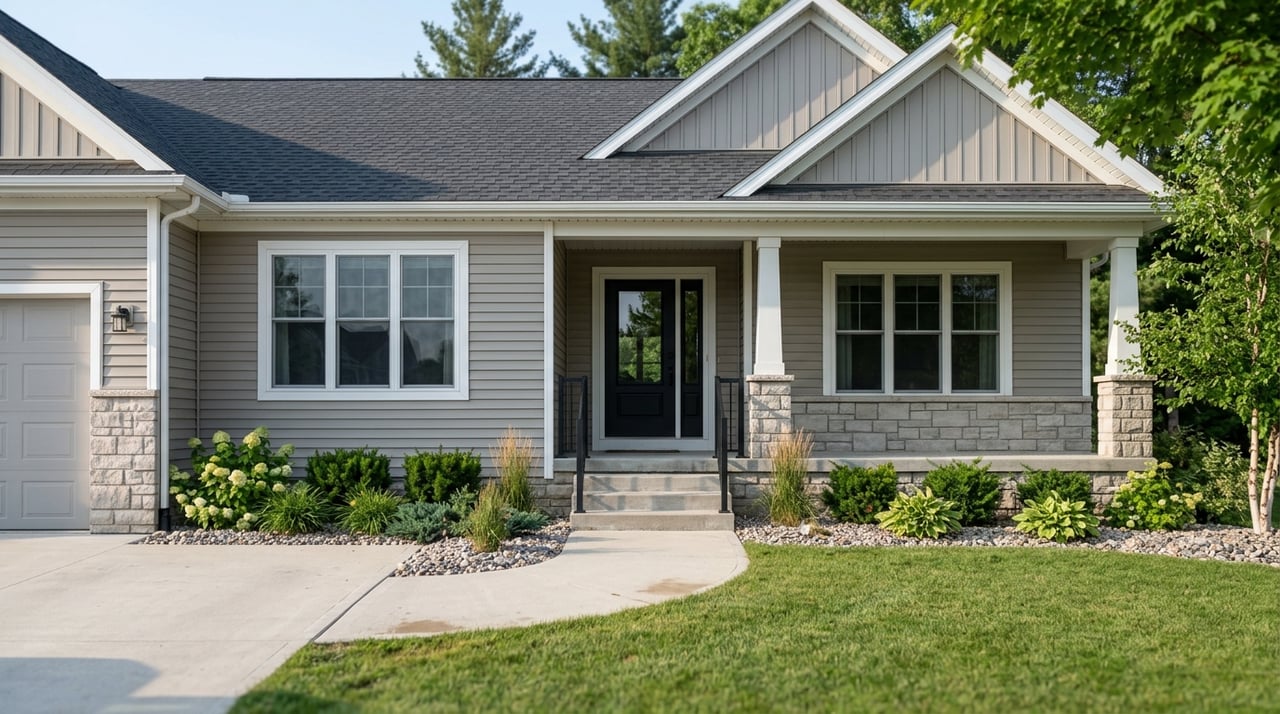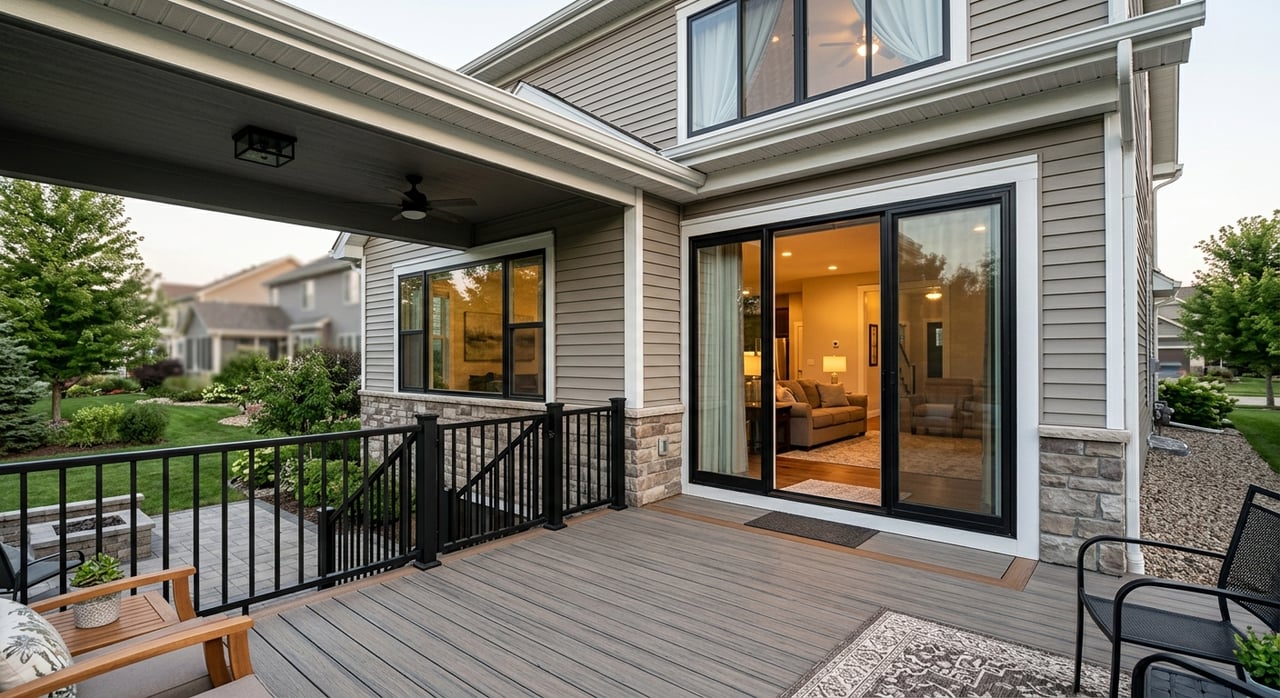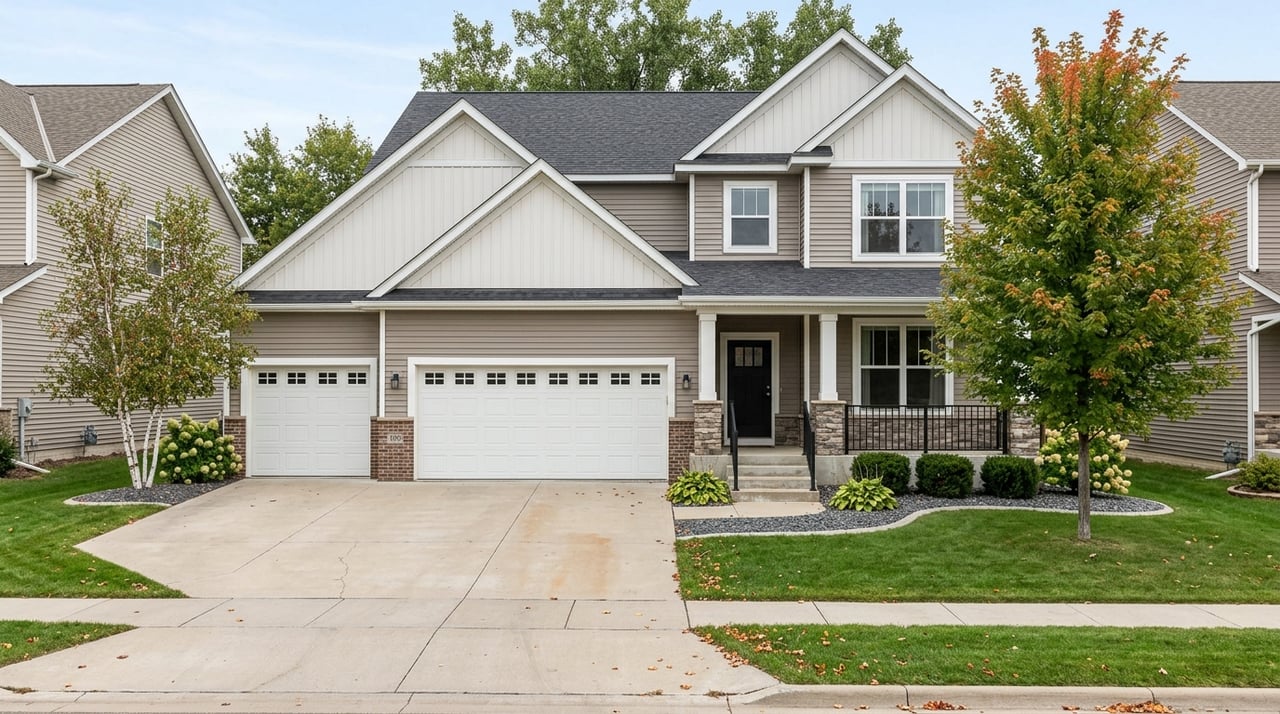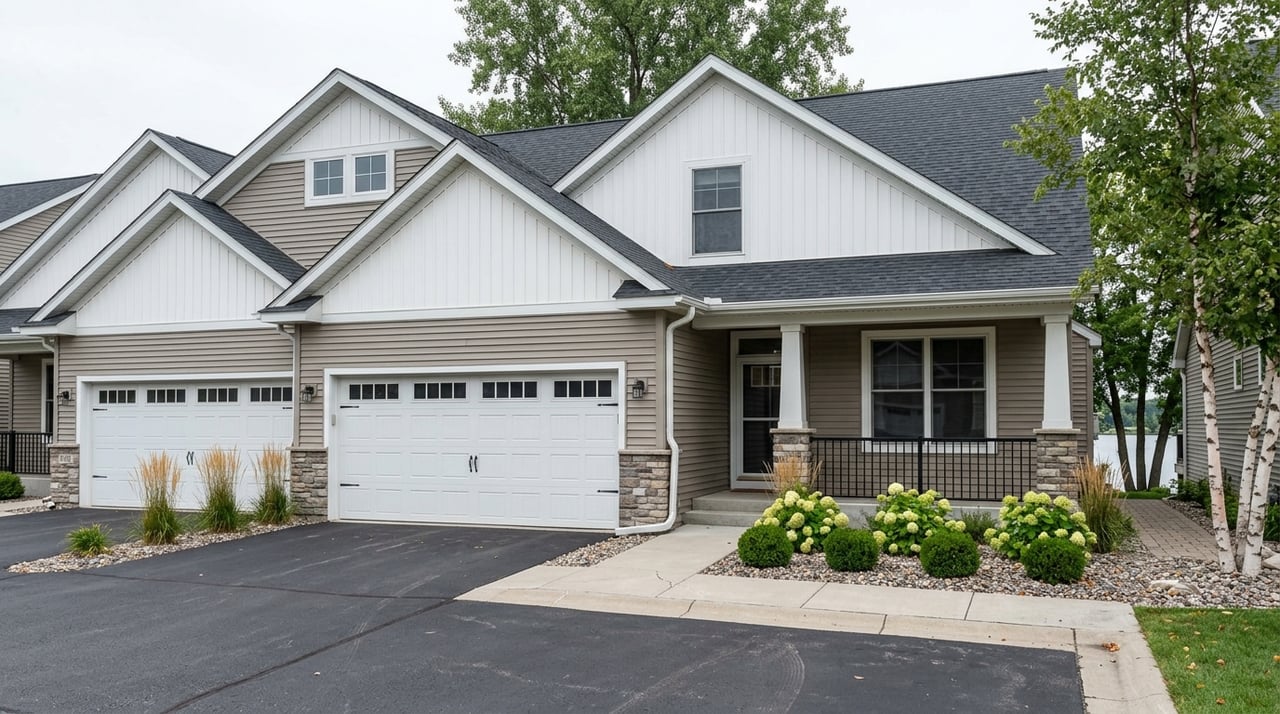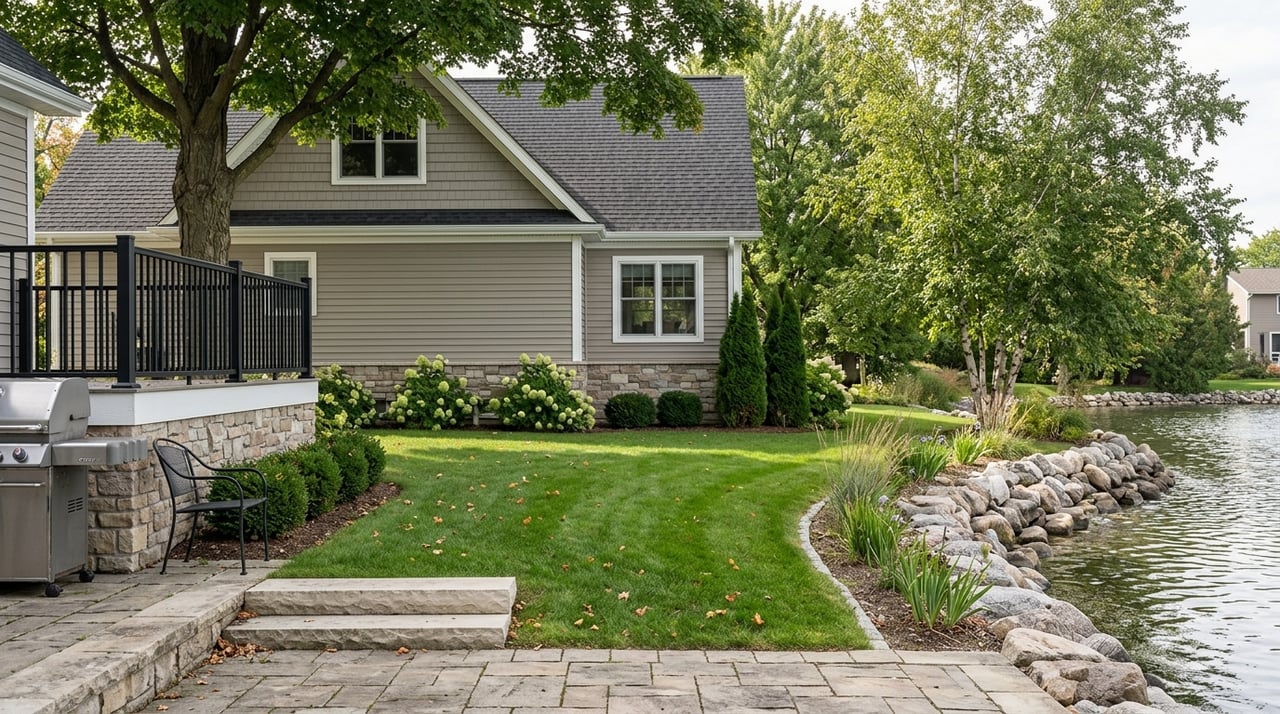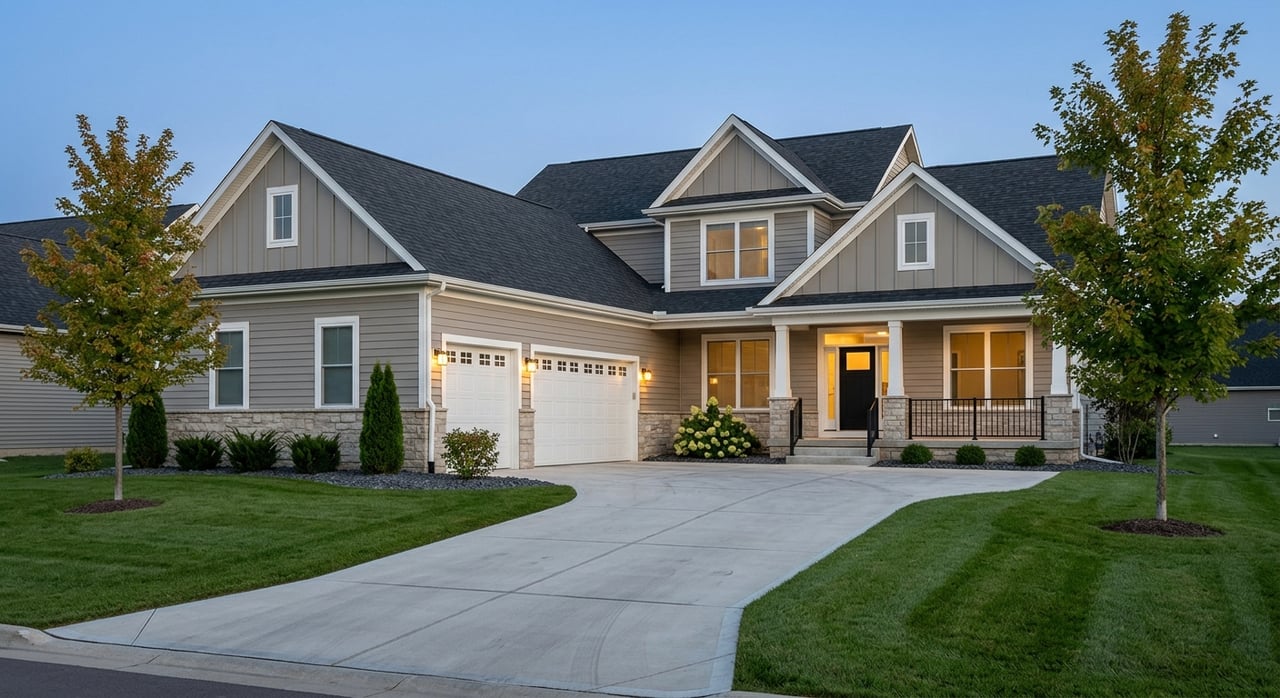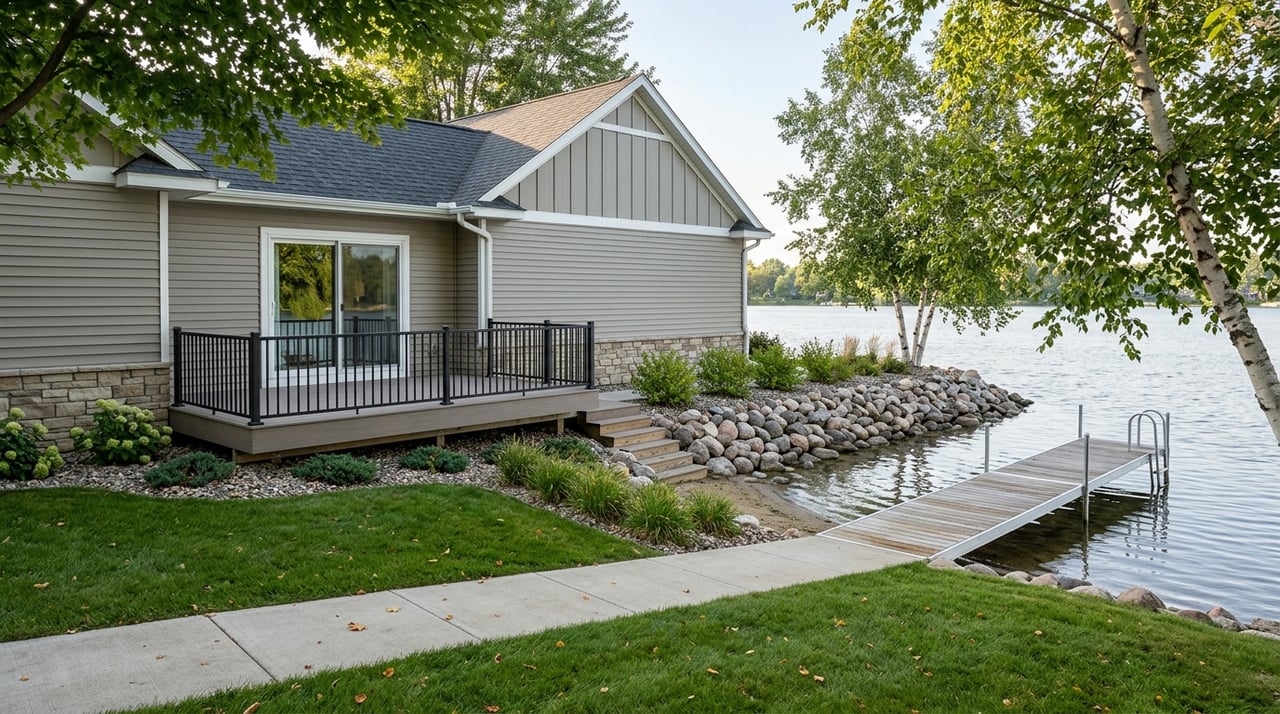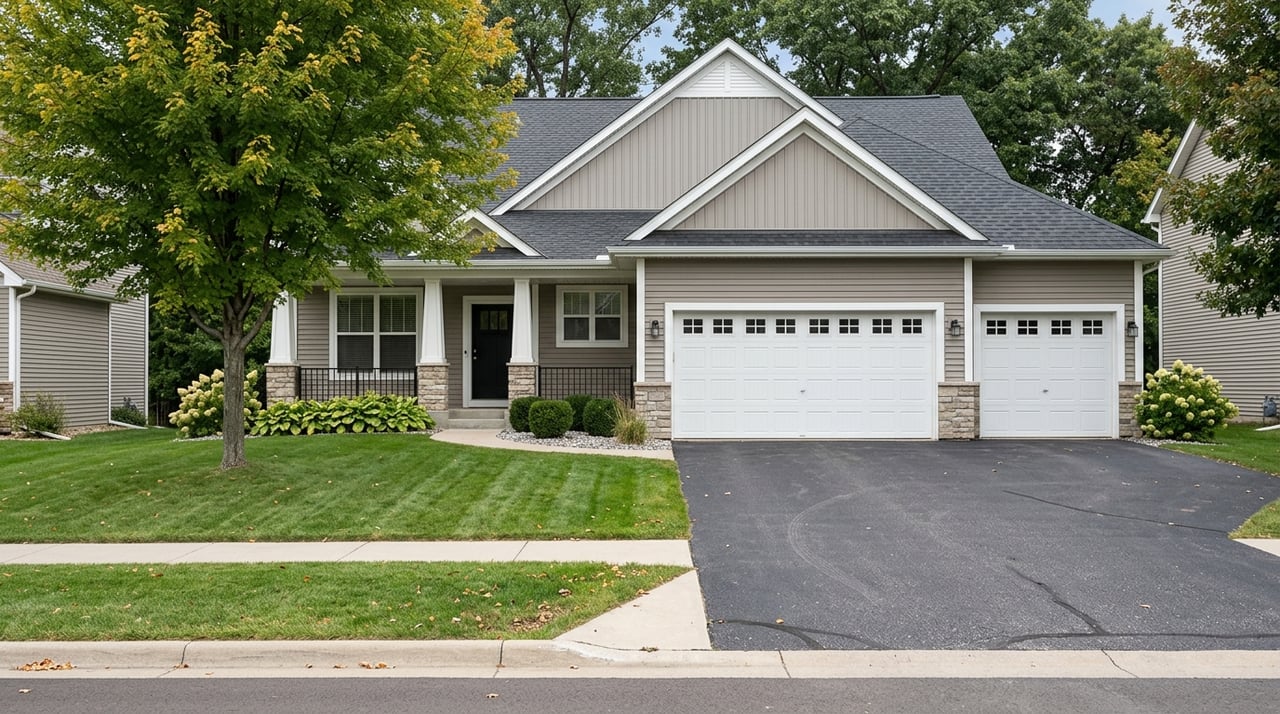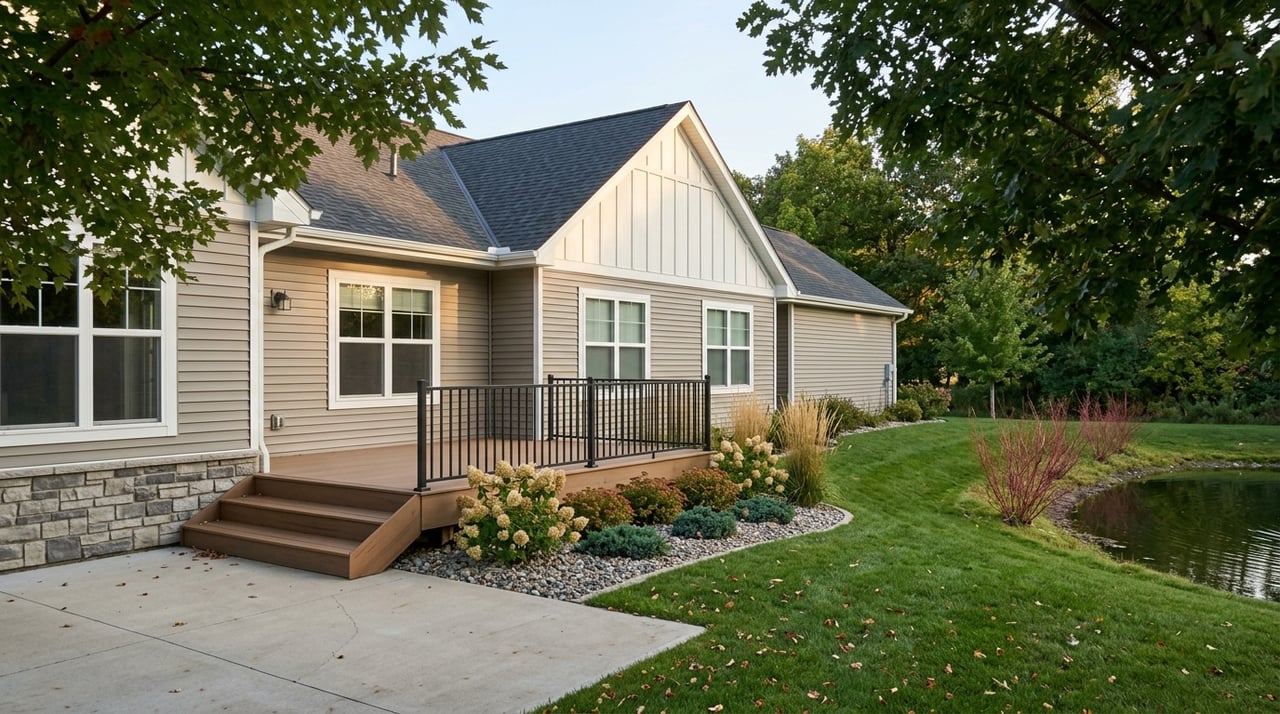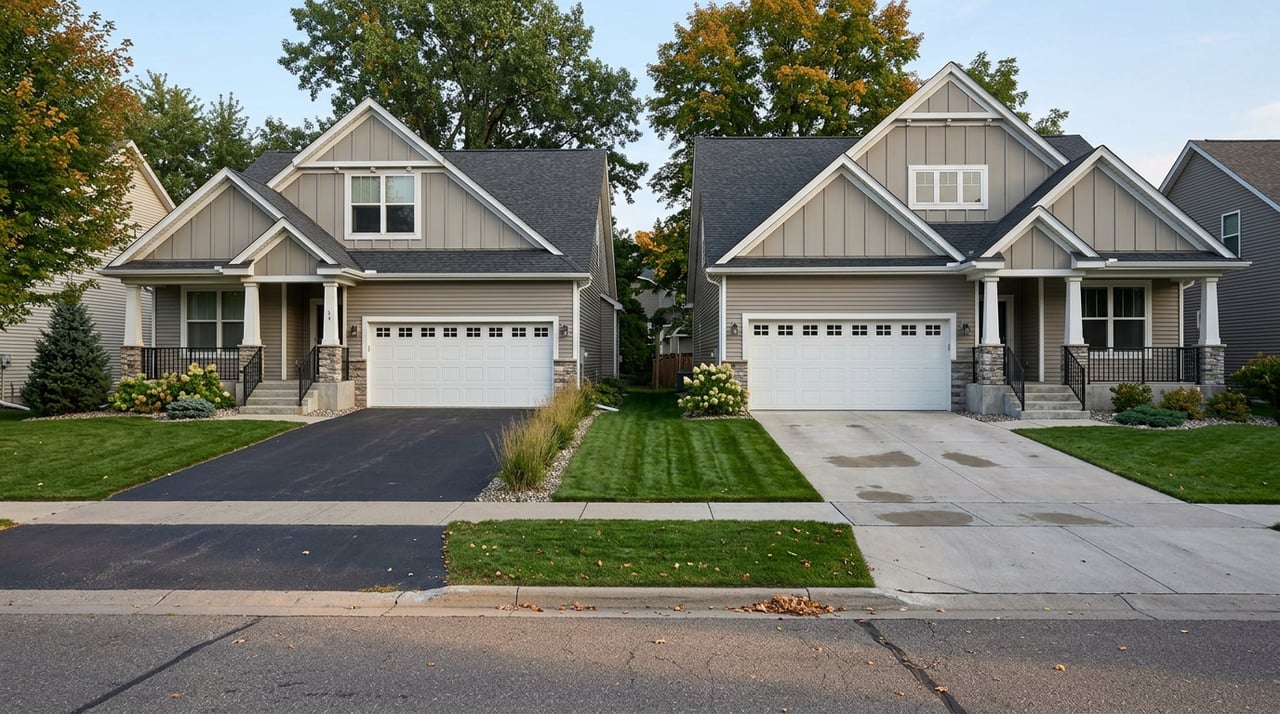
Two houses sit a block apart in the Island Park section of Mound. Same era, similar square footage, similar condition. One closes for $340,000. The other closes for $560,000. Neither is on the lake. The gap is not the house. The gap is a laminated card at the back of a file folder from the City of Mound.
That card is a dock site assignment. In Mound, dock rights travel with certain properties in a way they do not anywhere else on Lake Minnetonka, and once you understand how the assignment works, the city's confusing headline numbers finally make sense.
The number that doesn't add up
For the three months ending May 2026, the median sale price in Mound was $386,000, down 4.2% year over year. In the same window, the median sale price per square foot rose to $240, up 17.1%. Homes took a median of 26 days to sell, roughly double the 13 days a year earlier. Forty homes closed in May, down from 46 the year before.
Falling median, rising price per foot, and doubled marketing time do not usually appear together in the same market. When they do, mix has shifted underneath the average. In Mound, the mix that shifts is dock access.
Three markets, one headline number
The Mound MLS reports one median. Buyers are actually shopping in three:
| Tier | What it is | Typical price signal in 2026 |
|---|---|---|
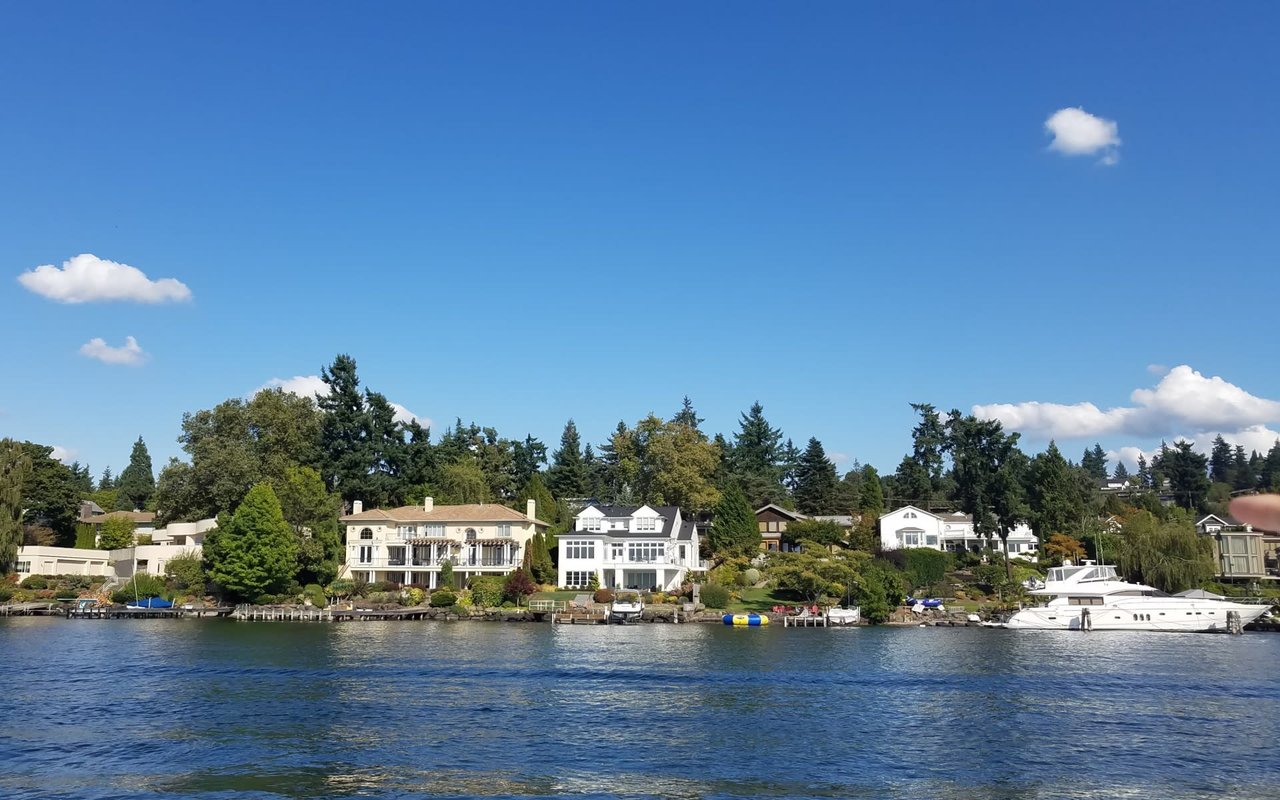
| Abutting lakeshore | Property line touches Lake Minnetonka; frontage on Cooks, Halsteds, Phelps, Priests, Seton, West Arm, or a channel bay | Active listings on Halsteds and Cooks in mid-2026 clustered from the high $800Ks into the low-to-mid seven figures |
| Non-abutting with dock access | Inland lot that carries a Commons dock site or a Lost Lake slip through the city program | Trades at a persistent premium to comparable inland-only stock; Villas on Lost Lake townhomes have recently listed in the mid-$300Ks to high $400Ks with a slip assignment attached |
| Inland only | Standard single-family without any city dock right | Where the falling median is concentrated; smaller resales dragged the middle of the market down this spring |
The city median blends all three. A buyer scanning a portal sees $386,000 and assumes softness. A buyer who understands the tiers sees a mix-shift: more inland resales and more Villas and Artessa co-op units closed relative to lakeshore, which pulls the median down while the price per foot on newer, denser product pulls the ratio up.
Why Mound prices this way and neighboring cities don't
The mechanism is the city's Docks and Commons Program, and it dates to the platting of Mound between 1906 and 1921. Early developers dedicated linear shoreline access strips called Commons for public use, the same way parks are dedicated. That decision left the city with two unusual assets a century later.
The first is roughly 167 abutting dock sites tucked along those Commons and adjacent to lakeshore lots. These sites are transferable when the adjacent property sells, so an inland home with the right address can carry a functional dock right to Lake Minnetonka even though its deed does not touch water. The homeowner still has to apply annually, pay fees, and maintain their own dock, but the site assignment is real and it moves with the sale.
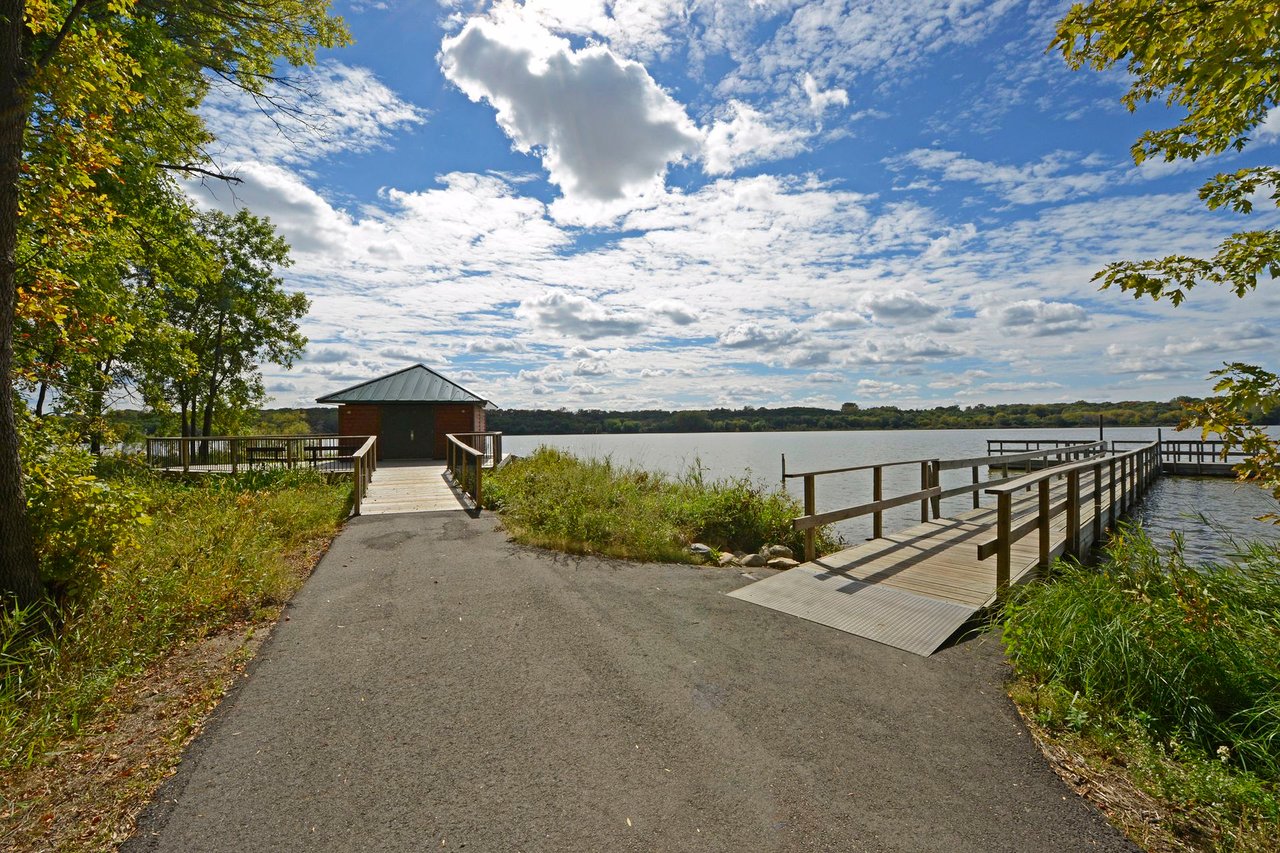
The second is the 47 overnight slips the city operates at Lost Lake, near Lost Lake Commons Park. Twenty-seven of those slips are reserved with first right of refusal for townhome owners at the Villas on Lost Lake. Another ten are reserved for the Artessa Lifestyle Communities co-op residents. Whatever remains is offered year to year to other Mound residents. Fourteen additional transient day-use docks sit at the Lost Lake Greenway and Pier and stay open to the public.
Take that structure and drop it onto a housing stock that is roughly half land and half water inside the city limits, and you get the pricing pattern the median hides. Two visually identical homes on the same block can carry very different values because only one of them has an active dock site number.
Lead with the friction: what actually transfers at closing
A Mound purchase agreement is the wrong place to discover that a slip does not follow the house. Before writing an offer, a buyer should get answers to these:
- Is there a dock site number attached to this property, and where does it appear in the city records? The Official Dock Map is maintained by the City of Mound and the site number is what the annual application ties back to.
- If the seller holds a Lost Lake slip, is the assignment a first-right-of-refusal seat tied to the Villas or Artessa co-op, or a general resident slip issued year to year? The two answers behave differently the moment the property changes hands.
- What is the current annual fee, and what does it include? A recent Villas on Lost Lake listing disclosed a slip fee of roughly $1,500 per year, including power and water at the slip, with the slip accommodating boats to about 30 feet. Non-Villas program fees are set separately by the city each year.
- What are the LMCD implications? The Lake Minnetonka Conservation District regulates dock size, slip count, and boat storage across the lake. Owning frontage or a site assignment is the right to apply, not automatic approval. Lot width and existing permits matter.
- For abutting lakeshore, what does the shoreline actually do? Riprap condition, retaining walls, ice damage history, and the presence of a permitted lift are all worth confirming before the inspection contingency expires.
None of these questions appear on a listing sheet. All of them move price.
The downtown variable most buyers miss
The dock tiers explain the spread within Mound. A second variable explains why the market has softened at the low end without the lakeshore end following suit: downtown is unfinished business.
The Lost Lake Commons project, the public plaza tied to the Artessa development where Auditor's Road used to run, was scaled back at the June 24, 2025 council meeting. Hammock hooks, permanent fireplaces, and public art were cut. Landscaping, plaza paving, signage, interpretive elements, and lighting stayed in. Semi-permanent picnic tables were swapped for Adirondack chairs. The initial project estimate was $2.2 million with $850,000 for phase two, and the city took resident feedback that water quality was the higher priority.
That water-quality priority is showing up in the capital stack. The 2026A general obligation bond issuance approved earlier this year sits at $7.24 million and funds 2026 street and utility work on segments originally built in 2004 and 2005, along with a broader water treatment plant conversation. For an inland buyer, the practical read is that Mound is investing in the boring infrastructure a lake town needs before it invests in the plaza amenities that show up in listing photos. That sequencing is arguably good for values over five years and mildly deflationary in the near term because assessment questions get raised in every buyer's inspection period.
The Dakota Rail Regional Trail continues to do quiet work in the background, connecting downtown to Wayzata to the east and Saint Bonifacius to the west without adding to the debate about what belongs in the plaza.
What the mix shift means for the next six months
If the median falls again this fall while price per foot holds or rises, that is not a signal that Mound is cooling. It is a signal that the Villas, Artessa units, and smaller inland resales are outrunning the abutting-lakeshore closings on volume. Halsteds Bay, Cooks Bay, and Seton Lake are all showing measured mid-2026 inventory, and west-end frontage remains the most attainable true lakefront on Lake Minnetonka relative to Wayzata Bay or Browns Bay on the north shore. That is a structural feature of the lake, not a Mound weakness.
For a buyer, the useful move is to stop asking what the Mound median is doing and start asking which of the three Mound markets a specific address sits in. For a seller, the useful move is to make the dock story legible on the listing itself, because the portal photo does not show the site number and the buyer's agent may not know to ask.
FAQ
Does every Mound home come with a dock? No. Roughly 167 abutting dock sites exist through the Commons program, plus 47 overnight slips at Lost Lake, most of them spoken for by the Villas and Artessa. The rest of the city is inland-only.
Can a dock site be added to a property that does not currently have one? The abutting sites are tied to specific adjacent parcels through the city program, so a new site is not something a buyer requests. Lost Lake slips outside the Villas and Artessa allocation are offered year to year to residents based on availability.
How is Mound different from other Lake Minnetonka cities for a buyer? On the north shore around Wayzata, dock rights are largely a function of owning true frontage, so pricing tracks frontage width and bay. In Mound, the Commons program means a meaningful number of inland homes carry real lake access, which fragments the middle of the market in a way the headline median cannot show.
Is now a good time to buy in Mound? The market is not one market. If a buyer's goal is true frontage, west-end inventory is thicker than it has been and days-on-market has stretched, which is a buyer signal. If the goal is dock-eligible inland, those units clear faster because supply is finite by design.
If you are trying to price a Mound home for sale or figure out which tier a listing actually belongs to before you write an offer, that is exactly the read that the Local Roots Real Estate team does street by street. Request a free home valuation and neighborhood consultation and we will pull the dock records with you.