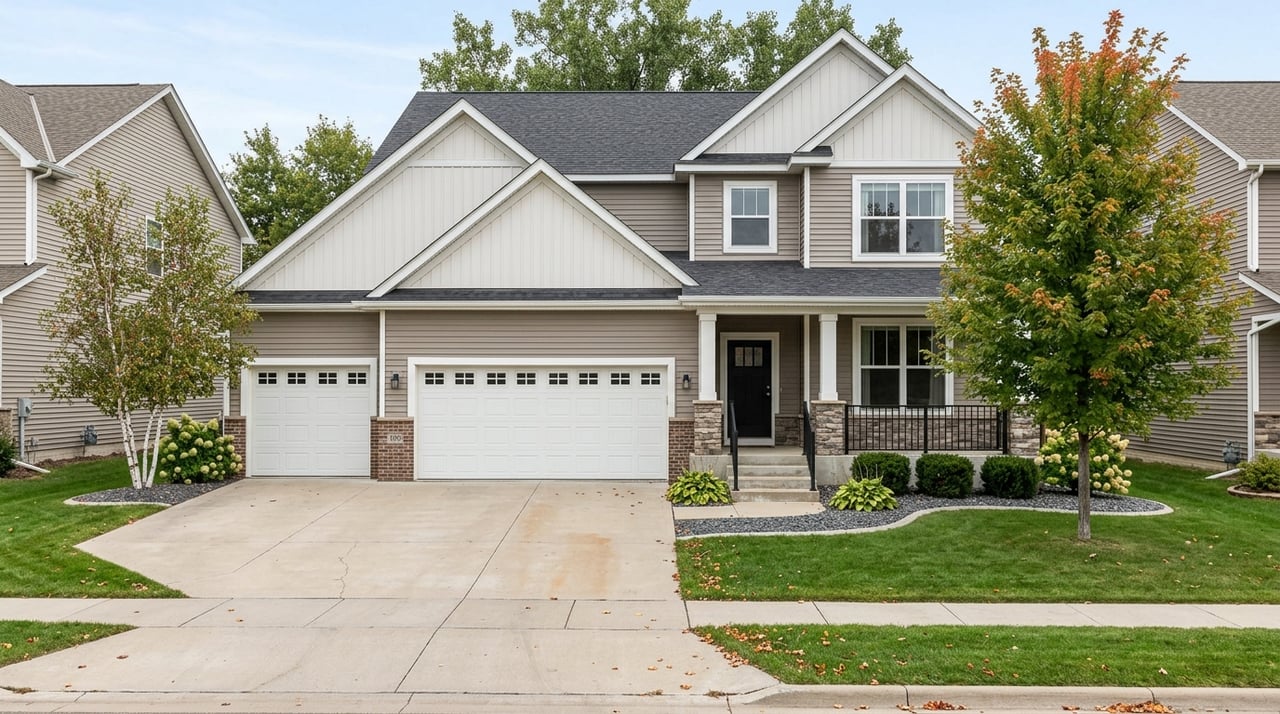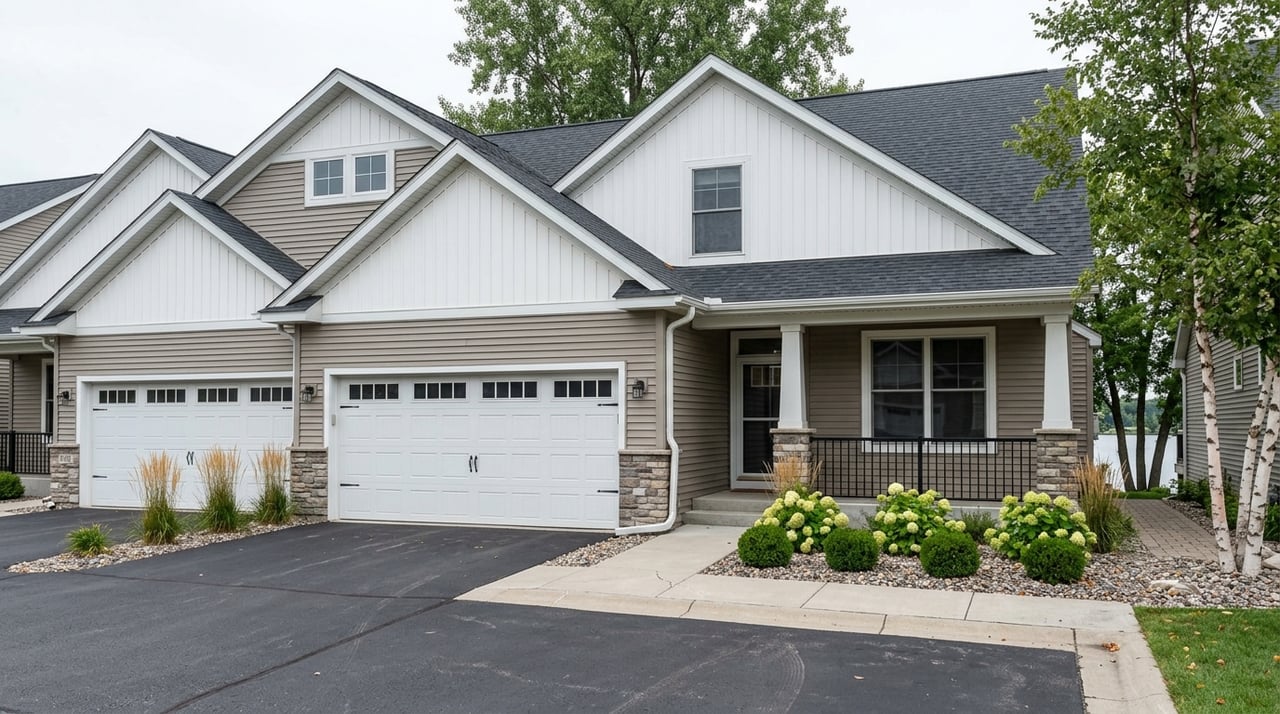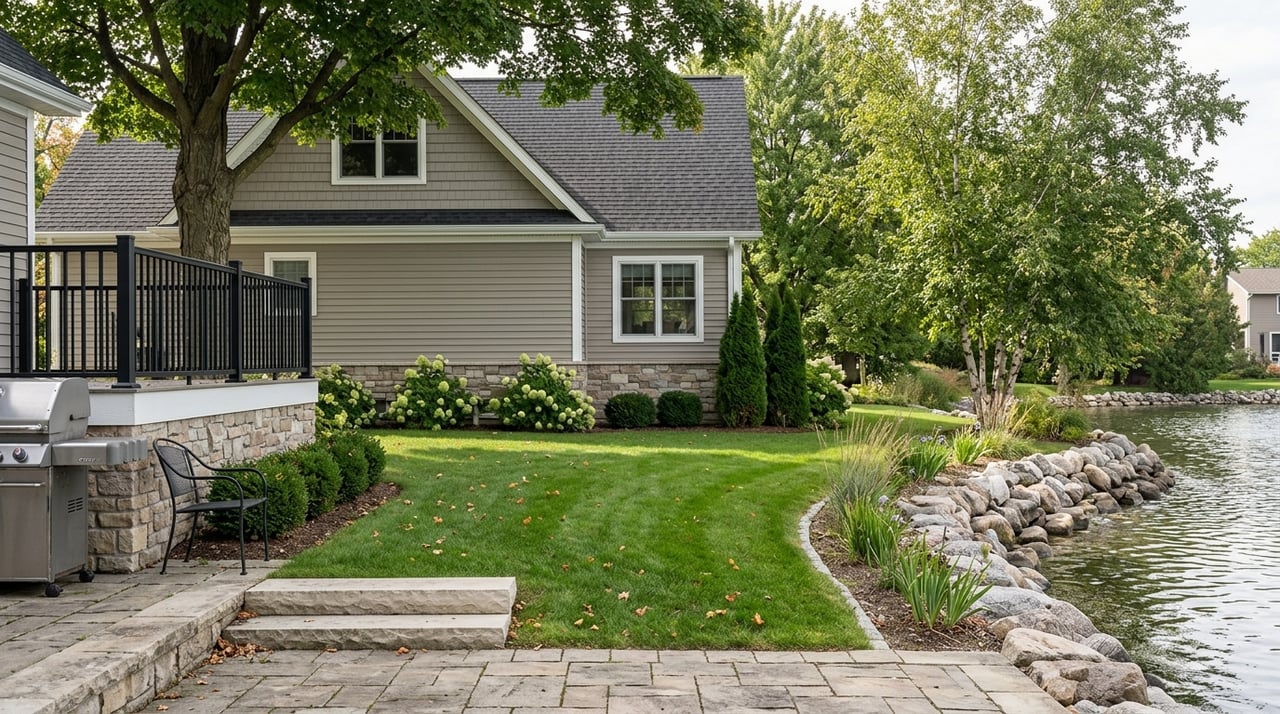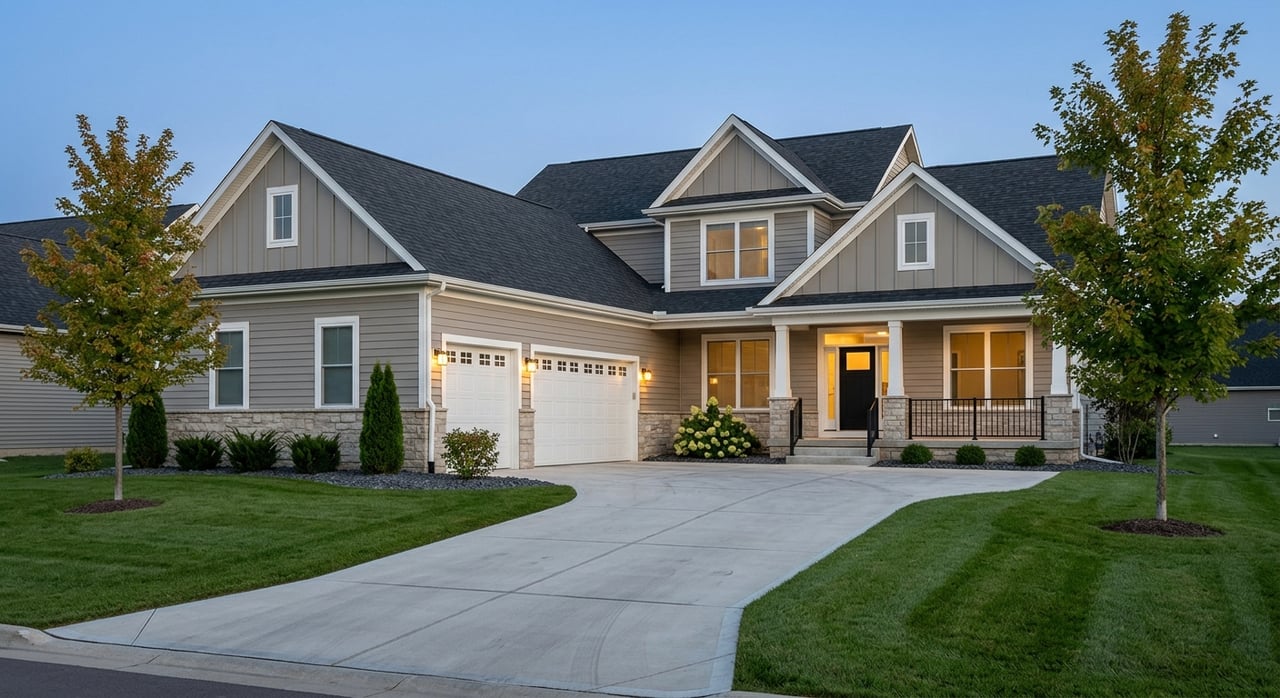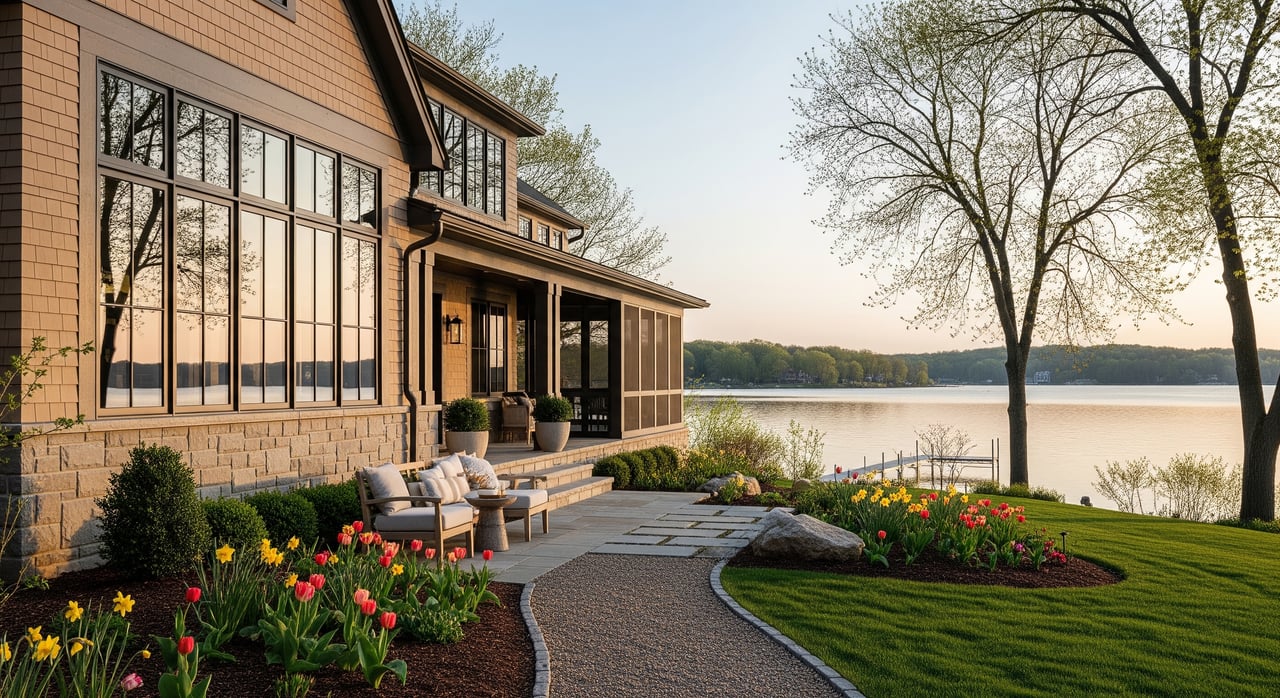
A buyer walks a home three blocks off Lake Minnetonka in Mound, falls for the layout, and assumes the dock rights will follow the sale the way the refrigerator does. Six months later they are on a waitlist that will not open up for the better part of a decade, wondering why nobody told them the address alone was never the thing that mattered.
That gap between assumption and reality is the whole story in Mound. The city runs the largest municipally owned dock program in Minnesota, permitting up to 637 boats a year on Lake Minnetonka. It is the reason so many buyers choose Mound over pricier lake towns in the first place: you do not need lakefront footage to keep a boat on one of the state's best lakes. But the program only works because it draws a hard line between two kinds of access, and that line, not the listing photo, decides what actually transfers at closing.
The word doing all the work is "abutting"
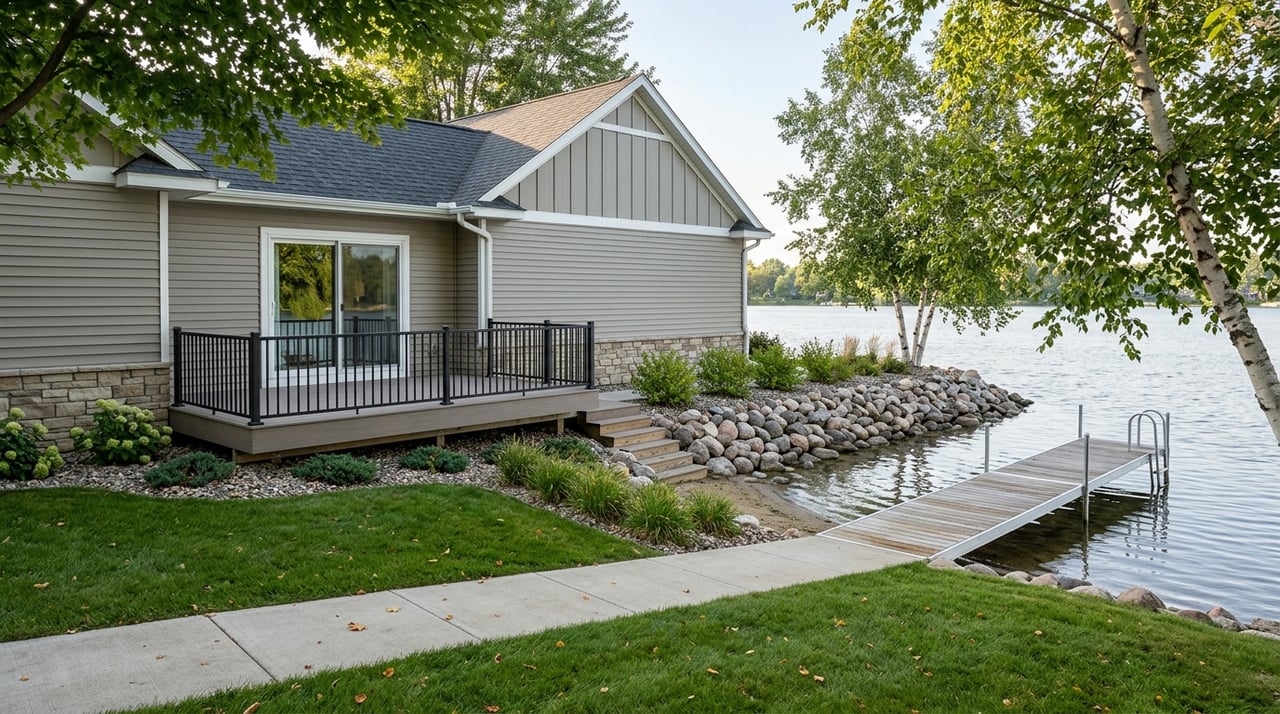
Mound's Docks & Commons Program sorts every dock in the system into one of two buckets. Abutting dock sites sit on parcels that touch the shoreline directly, and those sites typically transfer with the property when it sells. Inland dock and slip sites are different: they are held by the city itself and assigned to residents through an annual application and waitlist, and they do not transfer with a home sale no matter how close the house sits to the water.
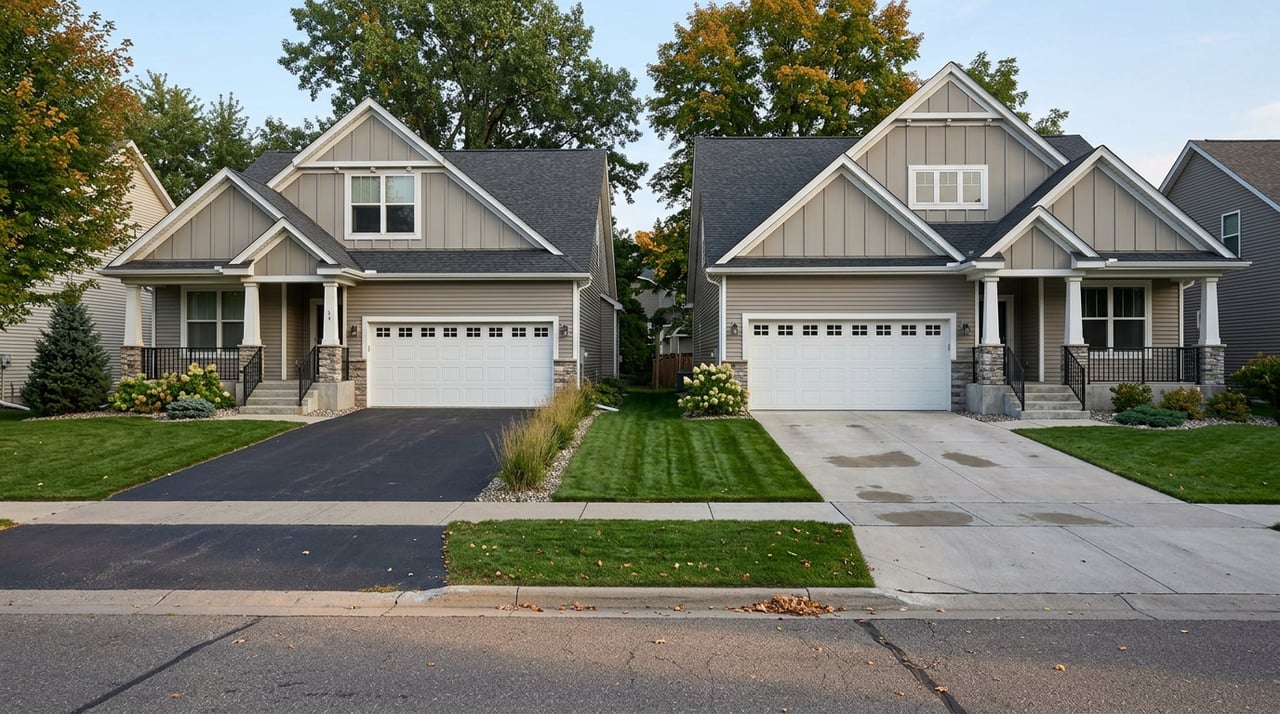
Program figures put roughly 167 sites in the abutting category, with about 144 inland dock sites and another 100 or so inland slip sites making up the rest. That split is the entire reason two homes a few doors apart in Mound can carry completely different water access, even though both are marketed as being near the lake.
The distinction sounds like a technicality until you are the buyer who assumed "close to the water" meant "comes with a dock." It doesn't. It means you may be eligible to apply for one, on the city's schedule, not yours.
The calendar does not pause for your closing date
The Docks & Commons Program runs on an annual clock set by City Code Chapter 78, Waterways, and the window is unforgiving. Applications, whether first-time or renewal, are accepted only between January 1 and the last day of February each year, submitted in person at City Hall or postmarked through the U.S. Postal Service. Private postage meters do not count as proof of timely mailing.
Miss that window and the consequences vary depending on which piece of city guidance you read, which is itself worth knowing before you rely on any single source. One version of the city's current application material describes a one-time grace period through March 15 with a flat $100 late fee added to the annual license cost. Another section of that same guidance describes a $50-per-month late fee instead. The two descriptions do not fully reconcile, and that is exactly the kind of detail a buyer or seller should confirm directly with City Hall rather than assume from a single web page, especially if a closing lands anywhere near the turn of the year.
For a buyer closing on a home with an existing abutting dock site, the practical move is to contact City Hall as soon as the purchase agreement is signed, not after closing, so the transfer paperwork and the license renewal land inside the same February deadline everyone else is racing to meet.
Why the waitlist turns this into a negotiating point, not a footnote
If the home you are buying does not have an abutting dock, and you are hoping to add lake access through the inland side of the program, the honest number to plan around is a wait measured in years, not months. City application materials describe roughly an eight-year wait before an inland dock or multiple-slip site typically comes open. A city council discussion from several years ago showed the waitlist climbing year over year, driven by steady demand for a limited number of slots, and nothing about that supply changed since.
That timeline changes how a buyer should weigh two otherwise similar houses in Mound. A home with a confirmed abutting dock site is not just a nicer amenity than an inland-only home. It is the difference between boating this summer and boating sometime in the next decade. Sellers who understand that gap can price and market an abutting dock accordingly. Buyers who understand it stop treating "walkable to the water" as a substitute for "comes with a dock."
The Lost Lake slips show how tightly the water is rationed
The city's 47 overnight slips at Lost Lake, near the Lost Lake Commons Park, make the scarcity even clearer. Twenty-seven of those slips are reserved for residents of the Villas on Lost Lake, who hold first right of refusal on them. Another ten are reserved for residents of the Artessa Lifestyle Communities Housing Association Co-op, who hold the same right of refusal. Whatever is left over goes to non-townhome, non-co-op residents on a year-to-year basis, which in practice means very little turns over for the general waitlist in any given season.
Layer the Lake Minnetonka Conservation District on top of the city program and the picture gets one degree more complicated. The LMCD governs dock permitting and shoreline structures across the entire lake, and its own licensing timeline can run 30 to 120 days depending on the complexity of the request. A buyer who assumes the city program is the only approval standing between them and a dock in the water may be missing a second layer of review entirely.
What this means at the closing table
None of this is a reason to avoid Mound. It is a reason to ask a more specific question before writing an offer than most buyers think to ask. If lake access matters to your decision, confirm the dock status directly rather than inferring it from proximity or price:
- Ask whether the property carries an abutting dock site, and if so, request the current dock agreement and confirm the transfer terms with City Hall before you remove contingencies.
- If the property does not have an abutting dock, treat any inland dock or slip access as a separate, multi-year application process, not an assumed perk of buying near the lake.
- If you are the one selling, disclose dock status plainly and accurately. A home marketed as having a dock that does not actually carry an abutting site can create real friction later in the transaction.
- Build the city's January-through-February application window into your closing timeline if a dock transfer or a new application is part of the plan.
FAQ
Does a Mound address near Lake Minnetonka guarantee dock access? No. Only homes on parcels classified as abutting typically carry dock rights that transfer with the sale. Homes that are simply near the water, without abutting shoreline, rely on the separate inland dock and slip system, which is assigned by application and waitlist rather than by address.
Can an inland dock or slip license be transferred to a new owner when a home sells? No. Inland dock and slip licenses are held by the city and assigned to individual residents through the annual program, and they do not pass to a new owner as part of a real estate transaction. A new owner interested in inland access would need to apply through the same process as any other resident.
Mound rewards buyers who ask the right question early and can cost the wrong ones years of waiting for something they assumed came with the house. If you are weighing a lake-adjacent purchase, or getting ready to sell a home with dock rights attached, Local Roots Real Estate can walk through exactly what transfers, what doesn't, and what the calendar demands before you write or accept an offer. Request a Free Home Valuation & Neighborhood Consultation to start with the specifics that actually apply to your address.