Quick Answer: What Should I Know Before Selling a Home in Eden Prairie?
If you're thinking about selling a home in Eden Prairie, don't start by calling a contractor, replacing countertops or choosing a list price.
Start with three questions:
What could my home realistically sell for?
What, if anything, should I do before putting it on the market?
Where am I going after it sells?
Those three answers should drive almost everything that follows.
Eden Prairie isn't one uniform real estate market.
A townhome may compete very differently from a $750,000 two-story.
A Bearpath property may require a different strategy than an older home near Bryant Lake.
A renovated luxury property may compete differently from a similarly sized home that hasn't been updated in 20 years.
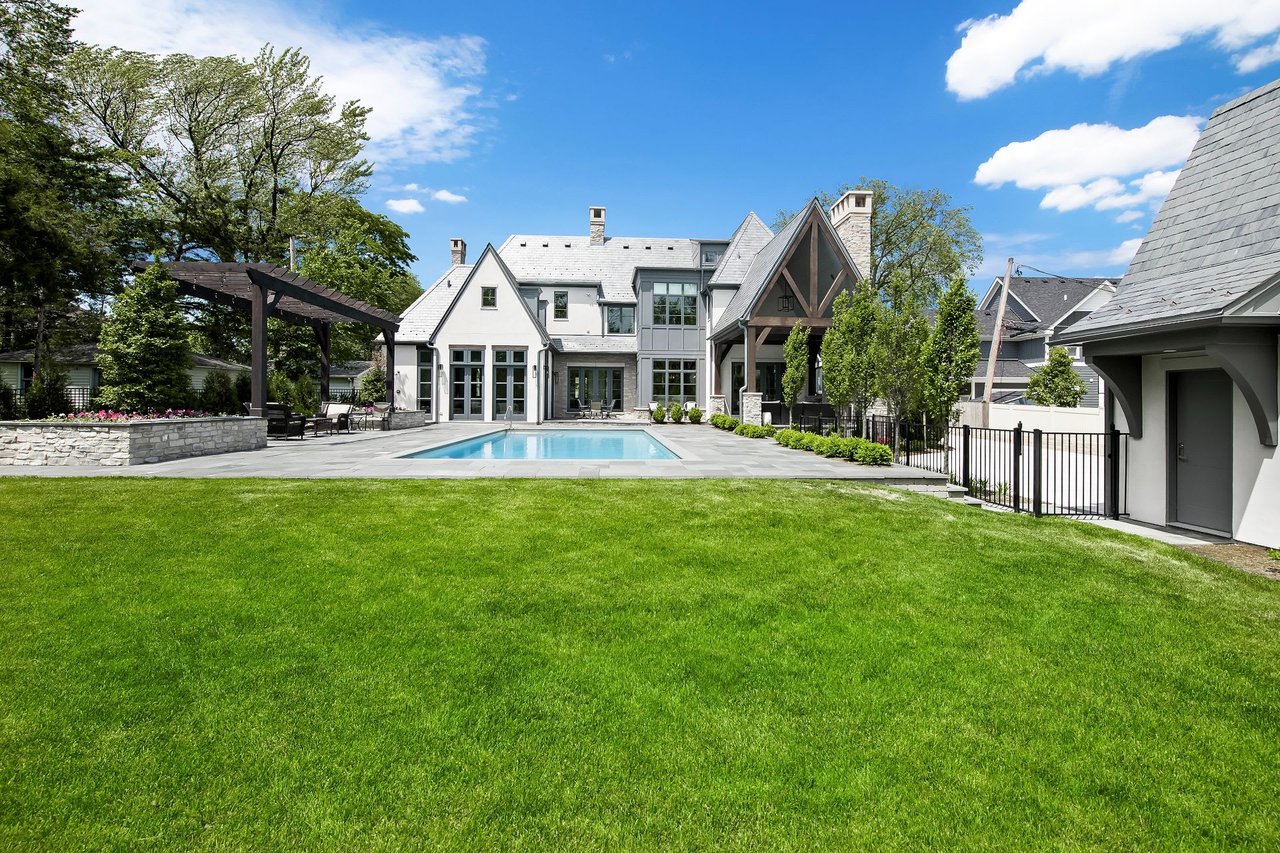
And a home with acreage, water views, golf-course frontage, a premium lot or a main-level primary suite can have characteristics that citywide averages don't fully capture.
That's why the best selling strategy isn't:
"Here's what everyone should do before selling."
It's:
"Here's what makes sense for this particular home, at this price point, in today's market."
This guide walks through how I think Eden Prairie homeowners should approach that process.
Thinking About Selling Your Eden Prairie Home?
You don't need to be ready to list next week.
In fact, some of the most valuable seller conversations happen six months, a year or even two years before the move.
Before spending money preparing your home, start by understanding:
- Your home's potential market value
- Your estimated equity
- Which improvements may matter
- Which projects may not be worth doing
- Your likely competition
- Your selling timeline
- What needs to happen with your next home
GET MY EDEN PRAIRIE HOME VALUE →
Or:
REQUEST A PERSONALIZED SELLING PLAN →
No obligation. The objective is simply to know your options before making expensive decisions.
Step 1: Find Out What Your Eden Prairie Home Is Worth
This should usually come before everything else.
Why?
Because you can't make good decisions about renovations, timing or your next purchase without having a reasonable idea of what your current home could sell for.
Online home-value estimates can be useful starting points.
But they don't always understand the characteristics buyers see when they walk through the door.
Your home's value can be influenced by:
- Neighborhood
- Immediate location
- Lot
- Privacy
- Road exposure
- Views
- Home style
- Square footage
- Floor plan
- Condition
- Renovations
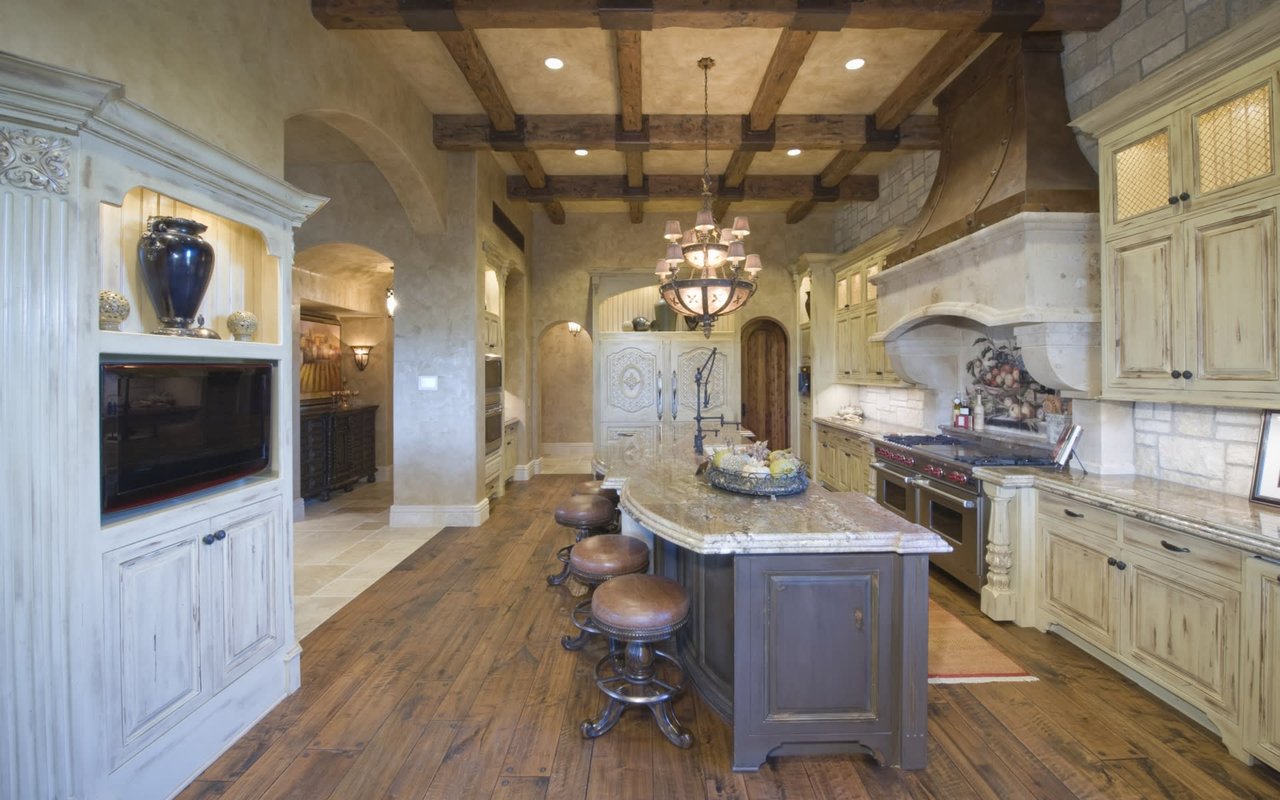
- Kitchen and bathrooms
- Garage configuration
- Finished lower level
- Outdoor living
- Age
- Construction quality
- Current competition
- Recent comparable sales
That's why two Eden Prairie homes with similar square footage can sell for very different prices.
A useful valuation shouldn't simply ask:
"What did the house down the street sell for?"
It should ask:
"Which properties would a buyer realistically compare with yours?"
Step 2: Figure Out Where You're Going Next
This gets overlooked surprisingly often.
Selling your house isn't the entire plan.
It's one half of it.
Before putting your Eden Prairie home on the market, think through what happens afterward.
Are you:
- Buying another home in Eden Prairie?
- Moving closer to Lake Minnetonka?
- Downsizing?
- Moving into one-level living?
- Building new construction?
- Relocating out of Minnesota?
- Buying before selling?
- Selling before buying?
- Moving into temporary housing?
- Using your equity for the next purchase?
The answer can influence your entire selling strategy.
For example, a homeowner who needs sale proceeds for the next purchase may approach timing differently from someone who can purchase first.
Someone building a home may need flexibility around possession.
Someone downsizing may discover that finding the next property is actually harder than selling the current one.
So before choosing a listing date, I want to understand the entire move.
Step 3: Don't Renovate Anything Major Yet
This is one of the biggest pieces of advice I can give someone who tells me:
"We're probably selling next year."
Don't immediately start renovating.
First, determine whether buyers are likely to reward you for the work.
Imagine spending $75,000 remodeling a kitchen.
It may look fantastic.
But what if the existing kitchen was already competitive enough for your price point?
Or what if buyers would have preferred different finishes?
Or what if smaller improvements could have created most of the same marketability for considerably less money?
Preparing a home for sale isn't about making it perfect.
It's about deciding where your time and money are most likely to matter.
What Should You Fix Before Selling an Eden Prairie Home?
Every property is different, but I generally separate potential projects into categories.
Maintenance Issues
These may include things buyers or inspectors could notice:
- Leaks
- Damaged exterior components
- Broken fixtures
- Non-functioning appliances
- Obvious electrical issues
- Plumbing problems
- Damaged flooring
- Peeling paint
- Deferred maintenance
These deserve attention because unresolved maintenance can affect buyer confidence.
Cosmetic Improvements
These could include:
- Interior paint
- Carpet
- Lighting
- Hardware
- Minor landscaping
- Touch-ups
- Deep cleaning
Smaller cosmetic improvements can sometimes create a noticeable change in presentation without requiring a major renovation.
Major Renovations
Kitchen.
Bathrooms.
Windows.
Roof.
Siding.
Flooring throughout.
Major landscaping.
Finished lower levels.
These require a much more careful conversation.
Before doing them specifically for resale, I'd want to understand the home's likely value before and after the project.
Step 4: Understand Your Competition
This is one of the most important parts of selling.
You're not selling your home in isolation.
When your property hits the market, buyers may have multiple options.
Imagine your home is listed at $900,000.
A buyer doesn't simply ask:
"Is this worth $900,000?"
They're also asking:
"Is this the best house I can buy around $900,000?"
They may compare your property with:
- Another Eden Prairie home
- New construction
- A home in Minnetonka
- A home in Chanhassen
- A home in Edina
- A more expensive home after a price reduction
- A less expensive home they could renovate
That's why active competition matters.
Recent sales tell us what buyers have done.
Active listings tell us what buyers can do right now.
A good pricing strategy considers both.
Step 5: Determine the Right Listing Price
One of the most consequential decisions in a home sale is the initial asking price.
And I don't think the goal should simply be:
"Let's start high because we can always come down."
Buyers see new listings immediately.
Their agents see them.
Real estate websites distribute them.
The initial launch creates an opportunity to capture the largest pool of potential buyers seeing the property as something new.
If the price and presentation don't align with buyer expectations, that opportunity can weaken.
Eventually, the seller may reduce the price.
But now the property isn't new anymore.
That's why I'd rather have a deliberate pricing conversation before launch.
Market Value and List Price Aren't Necessarily the Same Thing
These concepts are related, but they're not identical.
Market value asks:
What range might informed buyers reasonably pay for this property?
Pricing strategy asks:
How should we introduce the property to the market to accomplish the seller's objectives?
Depending on the property and current market conditions, those answers may differ.
A pricing strategy should consider:
- Comparable sales
- Active competition
- Pending sales
- Inventory
- Buyer activity
- Price-point competition
- Property condition
- Unique features
- Seller timing
- Seller priorities
The goal is to position the home intelligently—not simply choose the highest number someone is willing to suggest.
Step 6: Prepare the Home for the Market
Once we understand value and strategy, we can determine how to prepare the property.
This is where I want the home to feel intentional.
That may mean:
- Decluttering
- Depersonalizing selectively
- Rearranging furniture
- Deep cleaning
- Touch-up painting
- Landscaping
- Window cleaning
- Improving lighting
- Minor repairs
- Staging
- Removing excess furniture
- Organizing storage areas
- Preparing outdoor spaces
The objective isn't to erase the personality from your home.
It's to help buyers understand the space.
A buyer should be able to walk into a room and quickly understand:
What is this space?
How would I use it?
Can I imagine living here?
Step 7: Tell the Story of the Property
This becomes increasingly important with distinctive and luxury homes.
Marketing shouldn't simply be:
4 bedrooms. 4 bathrooms. 4,200 square feet.
Those are specifications.
They aren't necessarily the reason someone buys the house.
Instead, think about what makes the property difficult to replace.
Maybe it's:
- The private wooded backyard
- Morning light
- A walkout overlooking wetlands
- Proximity to a favorite trail
- A main-level primary suite
- A heated garage
- An incredible kitchen
- An outdoor entertaining area
- Lake views
- Golf-course frontage
- Acreage
- Architecture
- A quiet cul-de-sac
- Renovation quality
Those details become part of the home's positioning.
The marketing should help the right buyer understand why this property deserves their attention.
Step 8: Professional Photography Matters
Most buyers will see your home online before they ever see it in person.
That means your first showing may happen on a phone.
Photography should help buyers understand:
- Room size
- Layout
- Natural light
- Finishes
- Views
- Outdoor spaces
- Lot
- Architecture
- Important details
Depending on the property, the marketing plan may also include:
- Video
- Drone photography where appropriate
- Floor plans
- Property websites
- Social media
- Digital advertising
- Print materials
- Agent-to-agent marketing
- Broker networking
- Private or pre-market exposure when appropriate and permitted
The strategy should fit the property.
A $500,000 home and a $2.5 million custom home don't necessarily require identical marketing plans.
Step 9: Launch the Listing Strategically
Putting a property into the MLS isn't the entire launch.
The objective is to create a coordinated introduction to the market.
Before going live, I want:
Pricing ready.
Photography ready.
Marketing ready.
Property information ready.
Showing strategy ready.
Seller communication plan ready.
Buyer-agent outreach ready.
The home should look intentional from the moment buyers discover it.
Step 10: Make Showings Easy When Possible
Selling while living in the home isn't always convenient.
You may have:
Kids.
Pets.
Work schedules.
Travel.
Activities.
Life.
So the goal isn't to create an impossible showing schedule.
It's to balance your needs with buyer access.
In general, the easier it is for qualified buyers to see a property, the larger the opportunity to create interest.
We'll determine a showing strategy that works with your situation while keeping the property accessible.
Step 11: Evaluate Feedback and Market Response
Once the home launches, the market starts giving us information.
We're watching:
- Online engagement
- Showing activity
- Repeat showings
- Buyer feedback
- Agent feedback
- Open-house activity
- New competing listings
- Competing price reductions
- Offers
- Lack of offers
Not every piece of feedback should cause a change.
One buyer disliking the paint color isn't a pricing strategy.
But patterns matter.
If buyers repeatedly choose competing properties instead, we need to understand why.
The strategy shouldn't become static simply because the property is now listed.
Step 12: Understand More Than the Offer Price
Eventually, hopefully, we get the message every seller wants:
We have an offer.
The first number everyone looks at is price.
But an offer is much more than that.
Depending on the transaction, we may need to evaluate:
- Purchase price
- Financing
- Down payment
- Earnest money
- Inspection terms
- Appraisal terms
- Closing date
- Seller-paid costs
- Contingencies
- Sale-of-property contingency
- Requested personal property
- Possession
- Other terms
The highest-priced offer isn't automatically the best offer.
The objective is to understand the combination of price + terms + risk + timing.
What Happens if You Receive Multiple Offers?
Multiple offers can create opportunity, but they also require careful evaluation.
Don't look only at the headline price.
Compare each offer side by side.
Ask:
- How strong is the financing?
- What contingencies exist?
- What does the inspection language say?
- Is there an appraisal risk?
- Does the closing date work?
- Is another home sale involved?
- How much earnest money is offered?
- Are there unusual terms?
- What is the overall likelihood of closing?
Sometimes the strongest offer is obvious.
Sometimes it isn't.
Step 13: Inspection
If the accepted purchase agreement includes an inspection contingency, the buyer may inspect the property according to the terms of the agreement.
What happens afterward depends on the contract and findings.
This is another reason addressing obvious maintenance issues before listing can be useful.
You can't predict everything an inspector may find.
And an older home doesn't need to become a new home.
But knowing your property's condition before listing can reduce surprises.
Step 14: Appraisal
If the buyer is financing the purchase, their lender may require an appraisal.
The appraiser independently evaluates the property for the lender.
This is separate from the listing agent's pricing analysis.
Unique or luxury homes can sometimes present additional valuation complexity because there may be fewer directly comparable sales.
That's another reason pricing should be supported by evidence rather than simply choosing a number because it sounds appealing.
Step 15: Prepare for Closing
Once contingencies and financing milestones are addressed, attention turns toward closing.
That may include:
- Moving arrangements
- Final property preparation
- Documents
- Utilities
- Keys
- Final walkthrough
- Closing coordination
- Possession arrangements
The details depend on the specific transaction.
This is also why we planned your next move before putting the house on the market.
Selling shouldn't end with:
"Great, we're closing Friday. Where are we going?"
How Long Does It Take to Sell a Home in Eden Prairie?
There isn't one answer.
The timeline depends on factors including:
- Price
- Property type
- Condition
- Location
- Price point
- Inventory
- Competition
- Season
- Buyer demand
- Financing
- Negotiation
- Inspection
- Appraisal
- Closing terms
A well-positioned home can attract interest quickly.
Another property may require more time because it's unusual, highly priced, needs significant work or serves a smaller buyer pool.
Instead of promising a universal timeline, I'd look specifically at properties that actually compete with yours.
What Does It Cost to Sell a Home in Eden Prairie?
Seller costs vary by transaction.
Potential expenses may include:
- Preparing the property
- Repairs
- Staging
- Moving
- Negotiated real estate compensation
- Seller-paid buyer costs if agreed upon
- Title/closing-related expenses
- Property taxes and prorations
- Mortgage payoff
- Other transaction-specific costs
Rather than using a generic percentage, I'd create a seller net sheet based on your home, estimated sale price and specific situation.
That gives you a much more useful number:
Estimated net proceeds.
Because that's ultimately what matters when planning your next move.
Should You Sell Before You Buy?
Maybe.
But not always.
There are several ways homeowners can structure a move.
Sell First
Advantages can include knowing exactly how much equity you have available.
The challenge is determining where you'll live if the next home isn't ready.
Buy First
This can make moving easier because you already know where you're going.
But it may require additional financial flexibility.
Coordinate Both
Sometimes we can structure timing so the transactions occur close together.
That requires careful planning around financing, contingencies and closing dates.
There isn't one universally correct approach.
The best structure depends on your finances, risk tolerance, next-home inventory and goals.
Selling an Eden Prairie Luxury Home
Once you move into the $1 million, $1.5 million, $2 million and higher segments, strategy can become more property-specific.
The buyer pool may be smaller.
Comparable sales may be less direct.
Properties may differ dramatically.
Marketing may need to reach beyond buyers already searching a narrow MLS price range.
And buyers may place greater emphasis on:
- Lot
- Privacy
- Architecture
- Construction quality
- Renovation quality
- Views
- Outdoor living
- Garage space
- Home offices
- Main-level living
- Entertaining spaces
- Replacement cost
- Scarcity
A luxury listing strategy should identify why this particular home deserves its position in the market.
Not simply label it luxury because of its price.
What if You're 1–2 Years Away From Selling?
That's actually an excellent time to start planning.
It gives you time to answer:
What is my home worth?
What should I fix?
What shouldn't I fix?
How much equity might I have?
Where am I going next?
What will that next home cost?
Should I buy or sell first?
What time of year makes sense for my situation?
Instead of making every decision in the final 30 days before listing, we can build a plan gradually.
My Eden Prairie Seller Game Plan
If you're considering selling, here's the order I recommend:
12–24 Months Before
Understand potential value.
Estimate equity.
Discuss your next move.
Avoid unnecessary major renovations.
6–12 Months Before
Identify likely improvements.
Begin decluttering.
Handle deferred maintenance.
Monitor your target next-home market.
2–6 Months Before
Finalize preparation.
Determine likely timing.
Begin planning staging and marketing.
Review comparable sales.
2–4 Weeks Before Listing
Complete preparation.
Finalize pricing.
Photography.
Marketing.
Listing materials.
Showing strategy.
Launch
Go live with the property fully prepared.
Monitor activity.
Communicate frequently.
Adjust based on meaningful market evidence when necessary.
Offer Through Closing
Compare price and terms.
Negotiate.
Navigate inspection.
Navigate appraisal.
Coordinate closing.
Complete the move.
Frequently Asked Questions About Selling a Home in Eden Prairie
How do I start selling my home in Eden Prairie?
Start by understanding your home's potential market value, estimated equity and what you plan to do after the sale. Then determine which preparations, if any, make sense before choosing a listing date.
How much is my Eden Prairie home worth?
Your home's value depends on recent comparable sales, active competition, location, lot, condition, improvements, layout, size and current market conditions. An online estimate can provide a starting point, but a property-specific analysis can provide additional context.
Should I renovate my Eden Prairie home before selling?
Not necessarily. Some repairs or cosmetic improvements may improve presentation, but major renovations don't automatically produce an equivalent increase in sale price. Evaluate potential projects before spending significant money.
When is the best time to sell a home in Eden Prairie?
The best time depends on your property, competition, personal timeline and next move. Seasonal market patterns can matter, but they shouldn't be considered in isolation.
How long does it take to sell an Eden Prairie home?
It varies by property type, price, condition, location, inventory and market demand. Looking at recent comparable listings provides a better estimate than relying on a citywide average.
What should I fix before listing my home?
Start with obvious deferred maintenance and presentation issues. After that, determine whether paint, flooring, landscaping, staging or other improvements make financial sense for your particular property.
How do I choose a listing price?
Review relevant closed sales, pending properties, current competition, property condition, location and market conditions. The objective is to develop a pricing strategy supported by current evidence.
Can I sell my Eden Prairie home and buy another home at the same time?
Yes. Depending on your financial position and goals, you may sell first, buy first or coordinate both transactions. Each approach has different advantages and risks.
Do I need to stage my Eden Prairie home?
Not every property requires full staging. Some homes benefit from using existing furniture differently, partial staging or staging vacant spaces. The decision should be based on what will improve presentation and help buyers understand the home.
How much does it cost to sell a home in Eden Prairie?
Costs vary by property and transaction. Preparing a seller net sheet based on an estimated sale price and anticipated expenses is more useful than relying on a generic percentage.
What should I look for in an Eden Prairie listing agent?
Consider local market knowledge, pricing strategy, communication, marketing plan, negotiation approach, experience with your property type and how the agent plans to position your home against competing properties.
When should I contact a Realtor if I'm thinking about selling?
You don't need to wait until you're ready to list. Starting six months to two years ahead can give you time to evaluate your home's value, plan improvements and coordinate your next move without rushing.
Thinking About Selling Your Eden Prairie Home?
You don't need to decide today.
And you don't need to know exactly when you're moving.
If selling is something you're considering over the next couple of years, I'd start with two things:
What could your home realistically sell for?
and
What should you do between now and then to put yourself in the strongest position?
That's a much better place to start than spending money on projects and hoping they pay off.
Step 1: Find Out What Your Home Could Be Worth
GET MY EDEN PRAIRIE HOME VALUE →
Step 2: Build Your Personalized Selling Plan
If you'd like a more detailed look, we can review your property, recent comparable sales, current competition, improvements and potential timeline.
Then I'll help you identify what I'd do—and equally important, what I wouldn't spend money doing—before you sell.
REQUEST MY EDEN PRAIRIE SELLER STRATEGY →
Whether you're moving next month, next year or simply trying to understand your options, the goal is to give you the information you need to make the next decision.